
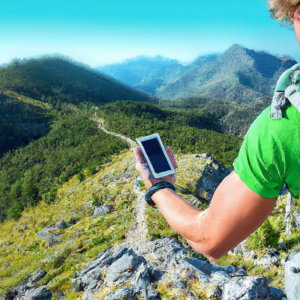
Are you an outdoor enthusiast looking for the perfect GPS tracker to enhance your adventures? Look no further! In this article, we will guide you through the process of choosing the right GPS tracker for all your outdoor activities. With an array of options available, it can be overwhelming to make the right selection. We understand your dilemma and are here to help you find the ideal GPS tracker that meets all your needs, whether you are hiking, cycling, or exploring remote areas. So, let’s get started and find the perfect companion for your outdoor escapades!

Factors to Consider Before Choosing a GPS Tracker
Battery Life
Battery life is a crucial factor to consider when choosing a GPS tracker, especially if you plan on using it for long periods or extended outdoor activities. You don’t want your tracker’s battery to die when you’re in the middle of nowhere, relying on it for navigation or emergency purposes. Look for a GPS tracker with a long-lasting battery that can withstand your planned duration of use without needing frequent recharging.
Coverage
The coverage of a GPS tracker refers to its ability to receive signals from satellites. It’s essential to choose a tracker that offers reliable coverage in the areas where you’ll be using it. Check if the GPS tracker you’re considering supports multiple satellite systems like GPS, GLONASS, and Galileo, as this can enhance the accuracy and availability of signals. Ensure that the tracker has a strong signal reception even in challenging environments, such as dense forests or deep canyons.
Durability
When you’re engaging in outdoor activities, your GPS tracker will likely be subjected to rough handling, extreme temperatures, and potential water exposure. Therefore, it’s important to choose a tracker that is built to withstand such conditions. Look for models that are built to be rugged and can tolerate bumps, drops, and exposure to dust and water. A durable GPS tracker will ensure that it continues to function properly even in challenging environments.
Portability
Portability is another factor to consider when choosing a GPS tracker. If you plan on carrying it with you during various outdoor activities, you’ll want a lightweight and compact device that won’t weigh you down or take up too much space. Look for trackers that are designed to be easily carried in pockets, attached to backpacks, or worn comfortably on your wrist.
Waterproof Rating
If you participate in water-based activities like kayaking, fishing, or boating, it’s important to consider the waterproof rating of a GPS tracker. Look for a tracker that offers a high waterproof rating, indicating its ability to withstand water immersion and protect against potential damage. Even if you don’t plan on being in or around water, a waterproof tracker can provide additional peace of mind and protection against unexpected rain or accidental water exposure.
Weight
The weight of a GPS tracker can significantly impact your comfort and mobility during outdoor activities. Choose a tracker that is lightweight and won’t become a burden to carry, especially if you’ll be wearing it for long periods or engaging in activities that require freedom of movement. A lightweight tracker will allow you to focus on your outdoor adventure without feeling weighed down by unnecessary bulk.
User Interface
The user interface of a GPS tracker is an important aspect to consider, as it directly impacts how easily you can navigate through its features and functions. Look for a tracker with a user-friendly interface that allows for intuitive operation. Consider factors such as screen size, button layout, and menu design. A GPS tracker with a clear and responsive user interface will enhance your overall experience and enable you to quickly access the information you need.
Compatibility
Compatibility with other devices is worth considering if you plan on connecting your GPS tracker to other devices like smartphones, tablets, or computers. Some GPS trackers may offer wireless connectivity or the ability to sync data with compatible devices. Check for compatibility with the operating system of your preferred devices and ensure that the tracker’s data can be easily transferred and accessed through the device of your choice.
Price
Price is always an important consideration in any purchase decision, and GPS trackers are no exception. Set a budget and consider how much you’re willing to invest in a GPS tracker. While more expensive models may offer additional features and higher quality, there are also affordable options available that provide excellent functionality for outdoor activities. Balance your desired features with your available budget to find the best GPS tracker for your needs.
Additional Features
GPS trackers can come with various additional features that may be beneficial for specific activities or personal preferences. Consider whether you require features like heart rate monitoring, compass, barometer, pedometer, or other activity tracking functions. These additional features can enhance the usefulness and versatility of your GPS tracker, providing you with more data and insights into your outdoor activities.
Types of GPS Trackers
Handheld GPS Devices
Handheld GPS devices are standalone devices designed explicitly for navigation and tracking purposes. They typically offer more advanced mapping and navigation features compared to other types of GPS trackers. Handheld GPS devices often have larger screens, extended battery life, and increased durability to withstand rugged outdoor conditions. These trackers are ideal for activities like hiking, trekking, and mountaineering, where reliable navigation is crucial.
Smartphone Apps
Smartphone apps offer a convenient and cost-effective alternative to dedicated GPS devices. By using the GPS capabilities built into your smartphone, these apps transform your mobile device into a GPS tracker. Smartphone apps are widely available and often offer features such as real-time tracking, mapping, and route planning. They are great for casual outdoor activities or when you prefer to travel light without carrying additional devices.
GPS Watches
GPS watches are worn on the wrist and combine the functionality of a traditional watch with GPS tracking capabilities. These watches are designed specifically for sports and outdoor activities, providing features like accurate distance tracking, pace monitoring, and route navigation. GPS watches are popular among runners, cyclists, and triathletes who want to track their performance and improve their training routines.
Personal Locator Beacons (PLBs)
Personal Locator Beacons (PLBs) are emergency devices that can transmit distress signals to rescue authorities. These devices are primarily used for extreme outdoor activities like mountaineering, backcountry skiing, or deep-sea fishing, where the risk of getting lost or injured is higher. PLBs offer satellite-based tracking and provide peace of mind by ensuring rapid response in a life-threatening situation. However, they typically lack other standard tracking functionalities found in dedicated GPS devices.

Popular GPS Tracker Brands
Garmin
Garmin is a well-known and respected brand in the GPS industry, offering a wide range of GPS trackers tailored for outdoor activities. They are known for their superb navigation capabilities, durable construction, and user-friendly interfaces. Garmin offers handheld GPS devices, GPS watches, and PLBs, providing options to suit various outdoor enthusiasts’ needs.
SPOT
SPOT is a leading provider of satellite communication devices, including GPS trackers and personal safety devices. Their trackers offer real-time tracking, emergency SOS functionalities, and messaging features. SPOT trackers are popular among outdoor adventurers who require reliable communication and tracking capabilities in remote locations.
DeLorme
DeLorme, now a part of Garmin, specializes in rugged GPS tracking solutions for outdoor enthusiasts. Their products include handheld GPS devices and GPS watches, known for their durability, detailed mapping, and active tracking features. DeLorme trackers are suitable for activities like hiking, hunting, and off-road driving.
Suunto
Suunto is a well-known brand in the sports and outdoor industry, offering a range of GPS watches specifically designed for different outdoor activities. Suunto watches are known for their excellent battery life, accurate navigation features, and robust construction. Suunto trackers are favored by athletes and outdoor adventurers looking for reliable performance and advanced tracking functionality.
Bushnell
Bushnell is renowned for its outdoor gear and optics, including GPS trackers for hunting, fishing, and other outdoor pursuits. Their trackers combine GPS technology with specialized features like animal tracking, weather updates, and topographic mapping. Bushnell GPS trackers are favored by hunters, anglers, and wildlife enthusiasts who require specific tracking functionalities for their outdoor activities.
Considerations for Specific Activities
Hiking
When choosing a GPS tracker for hiking, it’s important to prioritize features like accurate mapping, waypoint marking, and long battery life. Look for a handheld device or GPS watch with detailed topographic maps and the ability to mark key locations along your hike. Consider models with breadcrumb trail navigation, which helps ensure you stay on the right path. Additionally, opting for a tracker with a built-in compass and altimeter can provide valuable orientation and elevation data.
Camping
For camping activities, you may want a GPS tracker that offers a balance between navigation capabilities and battery life. Look for a device that can store and display waypoints, allowing you to mark your campsite or other important locations. A GPS tracker with a built-in barometer can also provide weather updates, helping you stay informed about any atmospheric changes that may affect your camping experience.
Cycling
When cycling, it’s important to have a GPS tracker that can accurately track and record your route, distance, and speed. Look for a lightweight and compact GPS watch or a mountable device that can be securely attached to your bike. Consider models with real-time tracking and a robust user interface that allows for easy data analysis after your ride. Additionally, some GPS trackers designed for cycling may offer cycling-specific features like cadence monitoring or integration with cycling apps.
Fishing
When fishing, a GPS tracker can be useful for identifying productive fishing spots and tracking your movements on the water. Look for a tracker that offers water-resistant or waterproof capabilities, as it’s likely to be exposed to splashes or even accidental submersion. Consider models with GPS mapping that incorporates water depth and structure information, helping you locate potential fishing hotspots. Some fishing-specific GPS trackers may also offer features like tide charts or fish tracking to further enhance your angling experience.
Comparing GPS Tracker Features
Mapping and Navigation
The mapping and navigation features of a GPS tracker are essential for accurate route planning and staying on course. Look for a tracker that offers detailed maps, including topographic, satellite, or marine maps depending on your intended outdoor activities. Consider models with turn-by-turn navigation, waypoint marking, and the ability to import or create custom routes. The availability of offline maps can be beneficial, especially when venturing into areas with limited or no network coverage.
SOS Functionality
SOS functionality is a critical feature, especially when participating in activities that involve higher risks or remote locations. Look for a GPS tracker that offers an emergency SOS button or a dedicated distress signal function. These features can alert emergency services or designated contacts in case of an emergency, ensuring quick response and potential life-saving assistance.
Battery Saving Mode
Battery saving mode is an important feature to have, as it extends the battery life of your GPS tracker when you’re not actively using it. Look for trackers with advanced power-saving options, such as adjustable screen brightness or the ability to disable unnecessary features. Some trackers may also offer battery-saving modes that sacrifice certain functionalities, such as reducing tracking intervals or disabling non-essential notifications while preserving battery life.
Real-Time Tracking
Real-time tracking allows you to monitor the movements of yourself or others using your GPS tracker. Look for a tracker that offers real-time tracking capabilities, either through a companion app or a web-based platform. This feature can be particularly useful in group activities or when you want to share your location with loved ones for safety purposes. Ensure that the tracker provides accurate and up-to-date location information, preferably with customizable sharing options.
Waypoint Marking
Waypoint marking allows you to mark specific locations on your GPS tracker for future reference or navigation. Look for a tracker that offers easy and intuitive waypoint marking functionalities, such as the ability to add custom labels or notes to the waypoints. This feature can be handy when you want to remember particular points of interest, like scenic viewpoints, campsites, or trailheads.
Geofencing
Geofencing is a feature that allows you to set virtual boundaries or zones on your GPS tracker. When the tracker enters or exits these predefined areas, it can trigger notifications or alerts. Look for a tracker with geofencing capabilities if you want to monitor entry or exit from specific locations or if you’d like to receive notifications when someone leaves a predetermined area.
Messaging
Some GPS trackers offer messaging capabilities, allowing you to send and receive text messages or SOS alerts. Look for a tracker that provides two-way messaging if you need to stay in touch with others or communicate in emergency situations. Messaging features can enhance safety and facilitate communication, especially when participating in remote outdoor activities with limited or no cellular coverage.
Weather Updates
Having access to weather updates directly on your GPS tracker can be beneficial for planning and adapting to changing weather conditions. Look for a tracker that offers current weather forecasts or the ability to connect to weather services. Some trackers may provide real-time weather updates, including temperature, barometric pressure, wind speed, and precipitation forecasts. These features can help you make informed decisions about your outdoor activities and ensure your safety.
Altitude and Elevation
Altitude and elevation tracking are important features for activities like hiking, climbing, and skiing. Look for a GPS tracker that provides accurate altitude and elevation data, as this can be valuable for monitoring your progress, tracking ascent and descent, or identifying potential altitude-related risks. Some trackers may offer additional features like vertical speed or altimeter calibration options to further enhance altitude-related measurements.