If you’ve ever dreamed of becoming a secret agent or unraveling mysteries like James Bond, then “The Ultimate Guide to Spy Gear” is your ticket to the thrilling world of espionage. This comprehensive guide offers an insider’s look into the essential gadgets and equipment used by spies, from hidden cameras and covert listening devices to invisible ink pens and tracking devices. Whether you’re a curious enthusiast or an aspiring spy, this guide is your go-to resource for all things spy-related. Get ready to step into the shoes of a secret agent and uncover the secrets behind the world of espionage.
Types of Spy Gear
Spy gear or surveillance equipment is widely used for various purposes, including personal security, law enforcement, and intelligence gathering. From hidden cameras to audio surveillance equipment, GPS trackers to night vision devices, there is a wide range of spy gear available on the market. In this comprehensive guide, we will take a closer look at the different types of spy gear, how they work, tips for using them effectively, and the legal considerations associated with their use.
Hidden Cameras
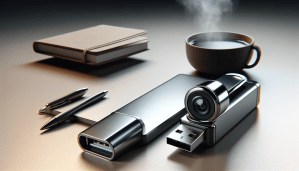
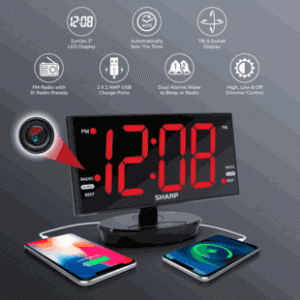
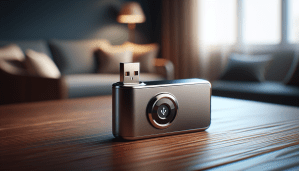
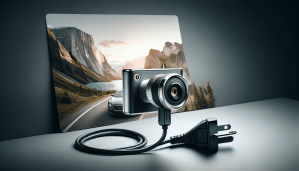
Hidden cameras are a popular type of spy gear that allows you to discreetly monitor and record activities in a particular area. These cameras are designed to be inconspicuous, blending seamlessly into their surroundings. They come in various forms, including wall clocks, smoke detectors, pens, and even teddy bears.
When using hidden cameras, it is essential to consider your specific needs and the environment where you plan to install them. There are both wired and wireless options available, each with its advantages and considerations. It is important to check the resolution and field of view of the camera to ensure you capture clear and comprehensive footage.
To make the most of hidden cameras, strategic placement plays a crucial role. Consider factors such as lighting conditions, angle of view, and potential obstructions that may affect the camera’s effectiveness. Regularly check and maintain your hidden cameras to ensure they continue to operate smoothly.
When using hidden cameras, it is vital to be aware of the legal considerations related to privacy and surveillance laws. Always ensure that you are following the legal requirements and obtain the necessary permissions or permits if required.
Audio Surveillance
Audio surveillance equipment allows you to capture and monitor conversations and sounds discreetly. These devices are typically designed to be small and easily concealable, allowing you to gather valuable information without raising suspicion. Audio surveillance equipment comes in various forms, ranging from voice recorders to wireless microphones.
When using audio surveillance equipment, it is crucial to understand the limitations and legal restrictions in your jurisdiction. Some areas have strict laws regarding the recording of conversations without the consent of all parties involved. Make sure to familiarize yourself with the applicable laws and obtain the necessary permissions if required.
Considering the range and quality of the device is essential when choosing audio surveillance equipment. Different devices have varying capabilities, such as distance and sound clarity. Depending on your specific needs, you may opt for wireless devices that allow remote monitoring or voice-activated recorders that conserve storage space.
To maximize the effectiveness of audio surveillance, it is important to choose a suitable location for the device. Factors such as background noise, distance from the target, and potential obstructions should be taken into consideration. Regularly test and maintain your audio surveillance equipment to ensure optimal performance.
GPS Trackers
GPS trackers provide real-time location tracking, making them invaluable for surveillance, vehicle tracking, and personal safety. These devices use Global Positioning System (GPS) technology to pinpoint the exact location of the tracker, allowing you to monitor movement remotely.
There are various types of GPS trackers available, including those designed for vehicles, personal use, and asset tracking. Vehicle GPS trackers are commonly used for fleet management and anti-theft purposes, while personal trackers can be used for monitoring loved ones or enhancing personal safety. Asset trackers are ideal for tracking valuable items or equipment.
When using GPS trackers, it is important to choose a device with adequate battery life, accurate positioning, and reliable connectivity. Consider the size, waterproofing capabilities, and ease of installation when selecting a GPS tracker. Some devices offer additional features such as geofencing, SOS buttons, and tamper alerts.
To make the most of GPS trackers, ensure that you have a compatible monitoring system or platform to track and analyze the data. Familiarize yourself with the functions and settings of the tracker to optimize its operation. Always respect privacy and legal boundaries when using GPS trackers, as their use may be subject to specific regulations in your jurisdiction.
Night Vision Devices
Night vision devices enable the user to see in low-light or complete darkness. These devices are commonly used by law enforcement, military personnel, and wildlife enthusiasts. Night vision technology allows for enhanced visibility, making it possible to observe and record activities that may occur at night.
There are several types of night vision devices available, such as goggles, monoculars, binoculars, and cameras. Each type has its own features and advantages based on specific requirements and budgets. When choosing a night vision device, factors such as image clarity, range, and battery life should be considered.
To ensure effective use of night vision devices, it is important to familiarize yourself with the features and controls of the device. Understanding the limitations and capabilities of the device will allow you to optimize its usage. Regular maintenance, such as cleaning lenses and charging batteries, is crucial to maintain optimal performance.
Legal considerations are essential when using night vision devices, as some jurisdictions may have specific regulations governing their use. Familiarize yourself with the laws and restrictions in your area to avoid any legal complications.
Bug Detectors
Bug detectors are used to identify and locate hidden surveillance devices, such as audio bugs or hidden cameras. These devices help ensure your privacy by detecting electronic signals emitted by surveillance equipment. Bug detectors are commonly used in homes, offices, and other private spaces to safeguard against unauthorized surveillance.
There are different types of bug detectors available, including RF (Radio Frequency) detectors, lens detectors, and audio bug detectors. RF detectors can identify wireless signals emitted by surveillance devices, while lens detectors detect the reflection of camera lenses. Audio bug detectors can locate hidden audio recording devices by detecting audio frequencies.
When using bug detectors, it is important to understand their limitations and potential sources of false alarms. Electronic interference or other wireless devices in the vicinity can sometimes trigger false alerts. Familiarize yourself with the device’s operation and sensitivity settings to minimize false alarms and increase accuracy.
Regularly sweep your environment with a bug detector to ensure that your space is free from unauthorized surveillance. Consider the layout and potential hiding spots for surveillance devices when conducting sweeps. It is important to note that bug detectors do not guarantee the detection of all surveillance devices, as some may employ advanced techniques to avoid detection.
Legal considerations are vital when using bug detectors, as the privacy laws and regulations vary in different jurisdictions. Familiarize yourself with the applicable laws and ensure that your use of bug detectors complies with the legal framework.
Covert Communication Devices
Covert communication devices are designed to enable secure and discreet communication between individuals involved in surveillance operations. These devices are essential for undercover operations, intelligence gathering, and other covert activities. Covert communication devices range from encrypted smartphones to covert earpieces.
When using covert communication devices, it is important to choose devices that offer secure and encrypted communication channels. Encryption ensures that your conversations cannot be intercepted or monitored by unauthorized parties. Consider the range, battery life, and ease of use when selecting covert communication devices.
To effectively use covert communication devices, understanding the device’s functionality and features is crucial. Regular training and practice can help ensure seamless communication in critical situations. Take necessary precautions to protect the identity and safety of individuals involved in covert operations.
Legal considerations surrounding the use of covert communication devices are important to address. Laws regarding encrypted communication and interception vary across jurisdictions. Ensure that you are familiar with the legal regulations governing covert communication in your area.
Counter-Surveillance Tools
Counter-surveillance tools are used to detect and neutralize surveillance activities conducted by others. These tools help identify and prevent unauthorized surveillance, providing individuals with a sense of security and privacy. Counter-surveillance tools can range from RF signal detectors to anti-spy camera detectors.
When using counter-surveillance tools, it is important to understand their capabilities and limitations. Different tools are designed to detect specific types of surveillance equipment, such as wireless signals or hidden cameras. Depending on your needs, you may choose to use a combination of counter-surveillance tools for comprehensive protection.
Regularly conduct counter-surveillance sweeps in your surroundings to ensure that your privacy is not compromised. Pay attention to areas and objects where surveillance devices may be hidden, such as smoke detectors, electrical outlets, or vehicles. Familiarize yourself with the operation of counter-surveillance tools to optimize their effectiveness.
Legal considerations are paramount when using counter-surveillance tools, as the use and possession of these tools may be regulated in certain jurisdictions. Understand the applicable laws and ensure that your use of counter-surveillance tools complies with the legal framework.
Disguises and Camouflage
Disguises and camouflage gear are essential for covert operations, enabling individuals to blend in with their surroundings and avoid detection. These tools provide a layer of protection and help individuals maintain their anonymity during undercover missions or surveillance activities.
There are various types of disguises and camouflage gear available, including costumes, wigs, makeup, and camouflage clothing. Select disguises and camouflage gear that are appropriate for the environment and context in which they will be used. Consider factors such as weather conditions, cultural norms, and the desired level of concealment.
To make the most of disguises and camouflage gear, it is important to pay attention to detail. Ensure that your appearance matches the desired disguise and that it holds up under close scrutiny. Practice natural movement and behavior that aligns with your disguise to avoid arousing suspicion.
Legal considerations may arise when using disguises and camouflage gear, particularly in sensitive or restricted areas. Understand the regulations and restrictions regarding the use of disguises and ensure that your activities comply with the legal requirements of your jurisdiction.
Lockpicking Tools
Lockpicking tools are used to gain unauthorized access to locked doors or containers. While their primary use may not be surveillance-related, lockpicking tools can be utilized in certain surveillance or intelligence-gathering scenarios. They offer an alternative way to gain access to restricted areas when authorized means are unavailable.
When using lockpicking tools, it is important to be aware of the legal implications and ethical considerations. In many jurisdictions, the possession and use of lockpicking tools may be restricted to licensed locksmiths or law enforcement personnel. Familiarize yourself with the legal framework governing lockpicking in your area.
Understanding the different types of locks and their vulnerabilities is crucial when using lockpicking tools. Regular practice can help develop the skills necessary to effectively and efficiently pick locks. Remember to use lockpicking tools responsibly and only in legal and ethical situations.
Forensic Equipment
Forensic equipment plays a vital role in analyzing and processing evidence obtained through surveillance or investigative activities. These tools enable the collection, preservation, and analysis of data, ensuring the credibility and accuracy of the evidence presented.
There are various types of forensic equipment available, including fingerprint kits, DNA analysis tools, forensic cameras, and evidence collection kits. Depending on the nature of the surveillance or investigation, different equipment may be required to gather and analyze evidence effectively.
When using forensic equipment, it is crucial to follow proper protocols and procedures to maintain the integrity of the evidence. Familiarize yourself with the operating instructions and guidelines provided by the manufacturer. Adhere to the ethical and legal considerations associated with the collection and use of evidence.
Legal considerations are particularly important when using forensic equipment, as mishandling or tampering with evidence can have serious implications. Understand the legal framework governing the use of forensic equipment in your jurisdiction to ensure compliance.
In conclusion, the world of spy gear offers a wide range of tools and equipment to cater to various surveillance needs. Whether it’s monitoring activities, ensuring personal safety, or gathering intelligence, the right spy gear can make a significant difference. However, it is important to use these tools responsibly and within the boundaries of the law. Understanding the legal considerations, following ethical guidelines, and respecting privacy rights are key factors in the use of spy gear. So, choose your spy gear wisely and use it responsibly to achieve your desired objectives.