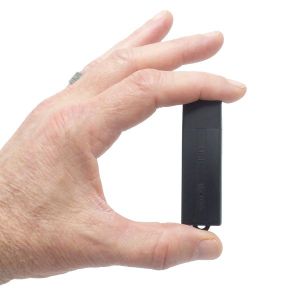

Have you ever felt uneasy about the possibility of being secretly recorded? Protecting your privacy is crucial in today’s technology-driven world. That’s where reliable hidden camera detectors come in. These handy devices utilize cutting-edge technology to help you identify hidden cameras, ensuring that your personal space remains private and secure. Whether you’re in a hotel room, changing area, or even your own home, having a reliable hidden camera detector gives you peace of mind and the assurance that your privacy is respected.
Understanding Hidden Cameras
What are hidden cameras?
Hidden cameras, also known as covert cameras or spy cameras, are surveillance devices that are designed to be discreetly placed or hidden in order to capture video or audio without the knowledge or consent of individuals being monitored. These cameras can be as small as a button or disguised as everyday objects such as pens, clocks, or even smoke detectors.
Common locations for hidden cameras
Hidden cameras can be found in various locations, both public and private. Some common places where hidden cameras may be installed include hotel rooms, Airbnb accommodations, public restrooms, changing rooms, offices, and even vehicles. It is important to be aware of these potential locations and take necessary precautions to protect your privacy.
Importance of detecting hidden cameras
Detecting hidden cameras is crucial to maintaining your privacy and security. Being unknowingly monitored can lead to a breach of your personal space and sensitive information. Hidden cameras can capture private moments, confidential conversations, and even compromise your safety. By using hidden camera detectors, you can identify and locate these devices, allowing you to take necessary actions to protect yourself and your privacy.
Types of hidden cameras
Hidden cameras come in various forms, each with its own unique features and characteristics. Some common types of hidden cameras include:
-
Wireless Hidden Cameras: These cameras transmit video and audio wirelessly, often using an internet connection or a dedicated receiver.
-
Wired Hidden Cameras: These cameras are physically connected to a recording device or monitor using cables. They may be more difficult to detect due to the absence of wireless signals.
-
IP Cameras: Short for Internet Protocol cameras, these devices use the internet to transmit video and audio, allowing for remote monitoring and access.
-
Analog Cameras: Analog hidden cameras record video in analog format and may require a separate recording device to save the footage.
-
Digital Cameras: Digital hidden cameras record video in a digital format, usually stored on a memory card or internal storage. They offer higher resolution and quality compared to analog cameras.
-
Night Vision Cameras: These hidden cameras are equipped with infrared (IR) LEDs, allowing them to capture video in low-light or complete darkness.
-
Motion Activated Cameras: These cameras only start recording when motion is detected, conserving storage space and battery life.
-
Wi-Fi Cameras: These cameras connect to a Wi-Fi network to enable remote access and monitoring through smartphones or computers.
-
HD Cameras: HD hidden cameras capture high-definition video with clear and detailed images.
Introduction to Hidden Camera Detectors
What are hidden camera detectors?
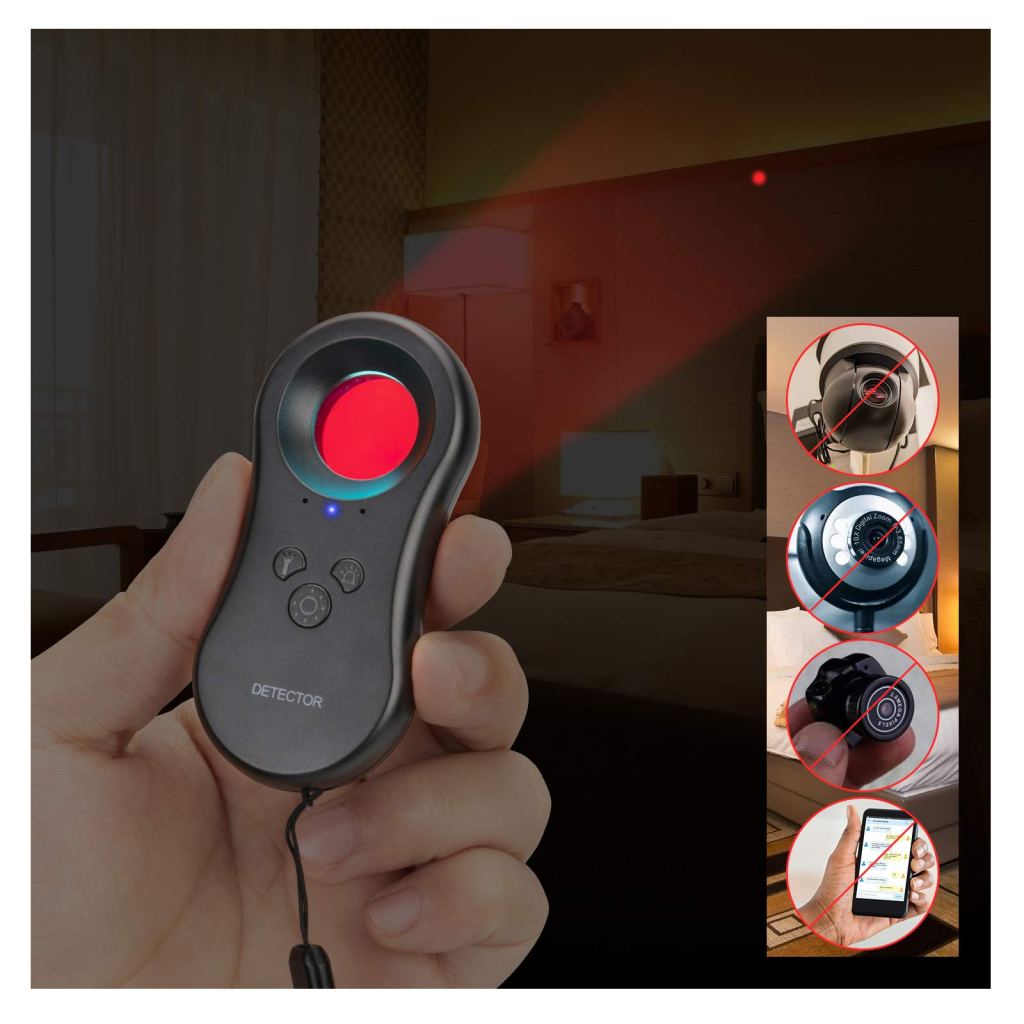
Hidden camera detectors are devices designed to locate and detect the presence of hidden cameras. They use various technologies to identify and expose hidden cameras, allowing individuals to protect their privacy and security. These detectors are portable, easy to use, and can be invaluable tools in today’s world where hidden cameras are increasingly pervasive.
How do hidden camera detectors work?
Hidden camera detectors work by detecting specific signals or physical characteristics emitted by hidden cameras. Here are some common methods used by hidden camera detectors:
-
Radio Frequency (RF) Detection: RF detectors scan for wireless signals, such as those used by wireless cameras, and alert the user if any signal is detected. This method can identify both cameras that are actively transmitting or those in standby mode.
-
Infrared (IR) Detection: IR detectors can spot the infrared light emitted by night vision cameras or IR LEDs. By scanning an area with an IR detector, it can reveal the presence of hidden cameras that may be invisible to human eyes.
-
Lens Detection: Lens detectors utilize a small light source and a viewing lens to help identify the reflective surface of camera lenses. By shining the light and checking for any glints or reflections, hidden cameras can be detected.
-
Audio Detection: Audio detectors are specifically designed to identify the sounds emitted by hidden cameras. These detectors can detect the audio signals transmitted by wireless cameras, enabling users to locate hidden cameras by following the sound.
Benefits of using hidden camera detectors
Using hidden camera detectors offers several benefits, including:
-
Peace of Mind: Hidden camera detectors provide a sense of security and peace of mind by allowing you to check and ensure your privacy is not being violated, especially in sensitive areas such as hotel rooms or changing rooms.
-
Protection of Privacy: By detecting and identifying hidden cameras, you can take necessary actions to protect your privacy, safeguard sensitive information, and prevent unauthorized surveillance.
-
Cost-effective Solution: Hidden camera detectors provide a cost-effective solution compared to professional surveillance services or legal procedures that may be required to address privacy breaches.
-
Convenience and Portability: Hidden camera detectors are portable, user-friendly, and can be easily carried around to ensure your privacy in various locations.
Factors to consider when choosing a hidden camera detector
When choosing a hidden camera detector, it is important to consider the following factors:
-
Detection Range: Different detectors have varying ranges, so consider how far the detector can scan to ensure it covers the area you want to inspect.
-
Sensitivity Levels: Opt for a detector that allows you to adjust its sensitivity levels to avoid false alarms and ensure accurate detection.
-
Battery Life: Check the battery life and consider whether rechargeable batteries or replaceable batteries are more suitable for your needs.
-
Additional Features: Some detectors may have additional features such as built-in flashlights, cameras, or audio jammers, which can enhance their functionality.
-
User Reviews and Ratings: Read reviews and ratings from other users to gauge the effectiveness and reliability of the hidden camera detector you are considering.
By taking these factors into account, you can choose a hidden camera detector that meets your specific needs and requirements.
This image is property of Amazon.com.
Types of Hidden Camera Detectors
Radio Frequency (RF) Detectors
Radio Frequency (RF) detectors are one of the most common types of hidden camera detectors. These detectors scan an area for wireless signals, such as those emitted by hidden cameras. They can detect both analog and digital wireless cameras that transmit signals within a certain frequency range. RF detectors are portable, user-friendly, and can effectively identify hidden cameras that use wireless transmission.
Infrared (IR) Detectors
Infrared (IR) detectors are specifically designed to detect the infrared light emitted by night vision cameras or infrared LED lights. These detectors can be used to scan an area and locate hidden cameras that may be invisible to the human eye. Infrared detectors are particularly useful for detecting hidden cameras in low-light or completely dark environments.
Lens Detectors
Lens detectors are devices that use a light source and a viewing lens to identify the reflective surface of camera lenses. Users can shine the light and look for any glints or reflections, which indicate the presence of a hidden camera. Lens detectors are simple to use and can effectively locate cameras with exposed lenses.
Audio Detectors
Audio detectors are specifically designed to detect the audio signals transmitted by hidden cameras. These devices can pick up the sounds emitted by wireless cameras that may not be audible to the human ear. By following the sound detected by the audio detector, users can locate hidden cameras and take appropriate action.
Combination Detectors
Some hidden camera detectors combine multiple detection methods, such as RF detection, IR detection, and lens detection, to enhance their effectiveness. These combination detectors offer users a versatile and comprehensive tool for detecting hidden cameras. They can increase detection accuracy by utilizing multiple detection methods simultaneously.
Using Hidden Camera Detectors Effectively
Understanding the limitations of hidden camera detectors
While hidden camera detectors can be effective tools for identifying hidden cameras, it is important to understand their limitations. Hidden camera detectors may not be able to detect:
-
Wired cameras that do not emit wireless signals or have any additional signatures that can be detected.
-
Cameras that are turned off or in standby mode, as they are not actively transmitting signals.
-
Hidden cameras that are well-concealed and designed to avoid detection, such as those installed within the structure of a building or hidden behind objects.
It is essential to rely on other measures, such as visual inspection and common sense, in addition to using hidden camera detectors, to ensure comprehensive privacy protection.
Best practices for using hidden camera detectors
To use hidden camera detectors effectively, follow these best practices:
-
Familiarize yourself with the detector: Read the user manual and understand how the detector operates, its different features, and the proper technique for scanning an area.
-
Use the detector in a methodical manner: Start by scanning areas that are most likely to host hidden cameras, such as electrical outlets, corners of rooms, or objects that are out of place.
-
Move the detector slowly and systematically: Ensure you move the detector in a slow and steady manner, covering the entire area thoroughly. Pay attention to any alerts or unusual signals detected by the device.
-
Focus on areas of high vulnerability: Concentrate your efforts on areas where your privacy is most likely to be compromised, such as bedrooms, bathrooms, or dressing rooms.
-
Consider multiple scans at different times: Perform scans at different times of the day or on multiple occasions to increase the chances of detecting hidden cameras that may be turned on or off at different times.
Steps to follow when using a hidden camera detector
When using a hidden camera detector, follow these steps for effective detection:
-
Choose the appropriate detection method: Depending on the type of hidden camera detector you are using, select the appropriate detection method, such as RF scanning, IR scanning, or lens detection.
-
Turn on the detector: Switch on the hidden camera detector and ensure it is functioning properly.
-
Start scanning: Begin scanning the area you wish to inspect, systematically moving the detector around and paying attention to any alerts or indications of hidden cameras.
-
Investigate suspicious signals: If the hidden camera detector detects any suspicious signals or activity, investigate further by visually inspecting the area or using other means to locate the hidden camera.
-
Take necessary action: If a hidden camera is found, take appropriate action to protect your privacy. This may include removing the camera, notifying the authorities, or seeking legal advice.
By following these steps, you can maximize the effectiveness of your hidden camera detector and ensure that your privacy is protected.

This image is property of Amazon.com.
Choosing the Right Hidden Camera Detector
Consider your specific needs
When choosing a hidden camera detector, it is important to consider your specific needs and circumstances. Determine where you plan to use the detector and the types of hidden cameras you are most concerned about. This will help you select a detector that is tailored to your requirements.
Price range
Hidden camera detectors are available in a wide price range, from affordable options to more advanced and expensive models. Consider your budget and prioritize the features that are most important to you. While more expensive detectors may offer additional functionality, there are also affordable options that can effectively detect hidden cameras.
Detection accuracy
Look for a hidden camera detector that has a high detection accuracy. Research different models and read reviews to gauge the performance and reliability of each detector. It is important to choose a detector that can effectively identify hidden cameras and minimize the risk of false positives or false negatives.
Ease of use
Select a hidden camera detector that is easy to use and user-friendly. Consider features such as a clear display, simple controls, and intuitive user interface. The detector should be easy to operate, even for individuals without technical expertise.
Portability
Consider the portability of the hidden camera detector, especially if you plan to carry it with you while traveling or inspecting different locations. Look for a compact and lightweight detector that can be easily transported without adding excessive bulk to your belongings.
User reviews and ratings
Before making a purchase, read user reviews and ratings of the hidden camera detector you are considering. This will provide insights into the experiences of other users and help you make an informed decision. Pay attention to both positive and negative feedback to get a comprehensive understanding of the detector’s performance.
By considering these factors, you can choose a hidden camera detector that suits your needs and provides reliable detection capabilities.
Tips for Detecting Hidden Cameras in Specific Locations
Hotel rooms
-
Inspect the room upon arrival: Conduct a visual inspection of the room and look for any unusual or out-of-place items, such as decorative objects that seem misplaced or oddly positioned.
-
Check common hiding spots: Pay attention to areas where hidden cameras are commonly found, such as smoke detectors, mirrors, electrical outlets, or behind picture frames.
-
Use a hidden camera detector: Utilize a hidden camera detector to scan the room and ensure there are no hidden cameras present.
-
Secure your belongings: If you find a hidden camera or feel uncomfortable in the room, contact hotel management and request a room change. Ensure your personal belongings are secure during the process.
Airbnb accommodations
-
Read reviews and ratings: Before booking an Airbnb accommodation, read reviews and ratings from previous guests. Look for any mentions of hidden cameras or privacy concerns.
-
Inspect the space thoroughly: Upon arrival, carefully inspect the accommodation for any suspicious objects or devices. Pay attention to potential hiding spots, such as decorations, electronics, or even stuffed animals.
-
Use a hidden camera detector: Use a hidden camera detector to scan the area and ensure your privacy is protected.
-
Report any concerns: If you find a hidden camera or have any privacy concerns, immediately inform both the Airbnb host and Airbnb customer support.
Public restrooms
-
Be observant: When using a public restroom, keep an eye out for anything that appears out of the ordinary, such as small holes in walls, unusual objects, or suspiciously placed mirrors.
-
Check for two-way mirrors: To determine if a mirror is a two-way mirror, place your finger against the surface. If there is a slight gap between your finger and its reflection, it is likely a regular mirror. If your finger touches its reflection, it may be a two-way mirror.
-
Use a hidden camera detector: Consider using a hidden camera detector to scan the restroom for any hidden cameras.
-
Report any findings: If you encounter a hidden camera or suspect one is present in a public restroom, immediately inform the appropriate authorities or management to take necessary action.
Changing rooms
-
Check for gaps or peepholes: Before using a changing room, inspect the area for any gaps in walls, doors, or ceilings that could serve as potential camera hiding spots. Also, be wary of peepholes that may be present.
-
Look for unusual objects: Be vigilant for any objects that seem out of place or are positioned in a way that obstructs your privacy. Check for black holes or suspicious devices that could be hidden cameras.
-
Use a hidden camera detector: Utilize a hidden camera detector to scan the changing room and detect any hidden cameras.
-
Report any concerns: If you find a hidden camera or have any privacy concerns in a changing room, promptly notify the store or facility staff.
Offices
-
Be aware of covert surveillance: Recognize that hidden cameras may be present in office environments, especially in areas where sensitive information is handled or stored.
-
Inspect the workspace: Pay attention to any new additions, such as decorative items or equipment that seems unusual or out of place.
-
Use a hidden camera detector: Consider using a hidden camera detector to scan your office space periodically and ensure your privacy is maintained.
-
Report any suspicions: If you discover a hidden camera or have concerns about privacy in your office, report it to the appropriate authorities or human resources department.
Vehicles
-
Be cautious with ridesharing: When using ridesharing services, be vigilant and check the vehicle for any unusual devices or objects that may indicate hidden cameras.
-
Inspect rental vehicles: Before renting a vehicle, conduct a thorough inspection to ensure there are no hidden cameras present. Pay attention to areas such as the rearview mirror, dashboard, or seat backs.
-
Use a hidden camera detector: Use a hidden camera detector to scan the vehicle and check for any hidden cameras.
-
Report any concerns: If you find a hidden camera in a vehicle or have any privacy concerns, immediately notify the appropriate authorities or rental company.
By following these tips, you can enhance your ability to detect hidden cameras in specific locations, protecting your privacy and ensuring your safety.

This image is property of http://www.travelandleisure.com.
Steps to Take if You Find a Hidden Camera
Stay calm and maintain your privacy
If you find a hidden camera, it is essential to remain calm and composed. Avoid panicking or drawing attention to the camera, as this may compromise your privacy further. Instead, discreetly ensure that you are not being recorded and take steps to address the situation appropriately.
Document the camera’s location and appearance
To gather evidence and support any legal actions or complaints, document the location and appearance of the hidden camera. Take clear photographs or videos that clearly depict the camera’s position, any surrounding objects, and the overall context of the situation. This evidence can be crucial in supporting your case.
Contact the authorities
If you discover a hidden camera, it is important to report it to the authorities. Contact your local police department or relevant law enforcement agency and provide them with all the documentation and evidence you have collected. They will guide you on the appropriate actions to take and help ensure a thorough investigation.
Seek legal advice
In situations where hidden cameras infringe upon your privacy, it may be beneficial to seek legal advice. Consult with a lawyer experienced in privacy or surveillance laws to understand your rights, explore possible legal actions, and determine the appropriate legal steps to take.
By following these steps, you can ensure your privacy is protected and take appropriate actions to address the presence of a hidden camera.
Other Ways to Protect Your Privacy
Regularly check for hidden cameras
In addition to using hidden camera detectors, it is essential to conduct regular visual inspections of your surroundings for any signs of hidden cameras. Be aware of your environment and look for anything out of the ordinary. By being vigilant, you can take proactive steps to protect your privacy.
Secure your Wi-Fi network
To prevent unauthorized access and potential surveillance through Wi-Fi cameras, secure your Wi-Fi network. Use strong, unique passwords, enable encryption, and consider using a virtual private network (VPN) for an additional layer of privacy and security.
Use physical barriers
In situations where privacy is of utmost importance, consider using physical barriers such as curtains, blinds, or privacy screens to prevent visual surveillance. These barriers can create a physical separation between you and potential hidden cameras.
Be cautious with personal information
Protect your personal information and avoid sharing sensitive details unnecessarily. Be cautious of providing personal information over the phone, online, or in public spaces, as hidden cameras may be used to capture this information.
Educate others about hidden cameras
Spread awareness about hidden cameras and the importance of privacy. Educate your friends, family, and colleagues about the risks and methods of detecting hidden cameras. By collectively understanding and actively looking out for hidden cameras, we can collectively work towards protecting our privacy.

This image is property of cdn11.bigcommerce.com.
Legality of Using Hidden Camera Detectors
Understanding the laws regarding hidden cameras
Laws regarding hidden cameras vary from country to country and even state to state. It is crucial to familiarize yourself with the laws in your jurisdiction to ensure you are using hidden camera detectors legally. Consult legal resources or seek advice from legal professionals to understand the specific regulations governing hidden cameras in your area.
Legal issues around using hidden camera detectors
While using hidden camera detectors is generally legal for personal use, there may be legal restrictions or limitations depending on your jurisdiction. It is important to respect the privacy rights of others and not use hidden camera detectors in areas where privacy expectations are high, such as bathrooms or private property.
Avoid using hidden camera detectors to invade someone else’s privacy or engage in illegal activities. Always adhere to applicable laws, obtain proper consent when necessary, and use hidden camera detectors responsibly and ethically.
Conclusion
In today’s technologically advanced world, ensuring your privacy and security is of utmost importance. Hidden camera detectors provide an effective way to protect yourself from the intrusion of hidden cameras. By understanding what hidden cameras are, where they may be located, and the importance of detecting them, you can take proactive steps to safeguard your privacy.
Knowing the different types of hidden camera detectors, how they work, and the factors to consider when choosing one ensures you select a detector that meets your needs. By using hidden camera detectors effectively and practicing best practices, you can maximize the chances of detecting hidden cameras.
Remember to be aware of specific locations where hidden cameras may be more prevalent, such as hotel rooms, public restrooms, or changing rooms. If you find a hidden camera, stay calm, document the camera’s location, and contact the authorities for further assistance. Seek legal advice when necessary to protect your privacy rights.
In addition to using hidden camera detectors, regularly checking for hidden cameras, securing your Wi-Fi network, and being cautious with personal information are other effective ways to protect your privacy. By educating yourself and others about hidden cameras, we can collectively work towards a more privacy-conscious society.
Always be aware of the laws regarding hidden cameras and the legal issues surrounding the use of hidden camera detectors. Respect privacy rights, use hidden camera detectors responsibly, and prioritize ethical practices.
Through a combination of awareness, diligence, and the use of reliable hidden camera detectors, you can secure your space and protect your privacy in an increasingly connected world.