

You’re in the market for an RF signal detector, but with the plethora of options available, it can be overwhelming to know which one is the best for your needs. Thankfully, this article is here to help! We will explore the key factors to consider when choosing an RF signal detector, such as frequency range, sensitivity, and user-friendliness. By the end, you will have a clear understanding of what to look for and be confident in selecting the perfect RF signal detector for you. So let’s dive in and find your ideal detection companion!
Types of RF Signal Detectors
Spectrum Analyzer
A spectrum analyzer is a type of RF signal detector that scans and analyzes a wide frequency range. It provides a visual representation of the different frequencies present in the surrounding environment. This type of detector is commonly used in professional settings, such as research laboratories or telecommunications companies, where a detailed analysis of the RF spectrum is necessary.
RF Bug Detector
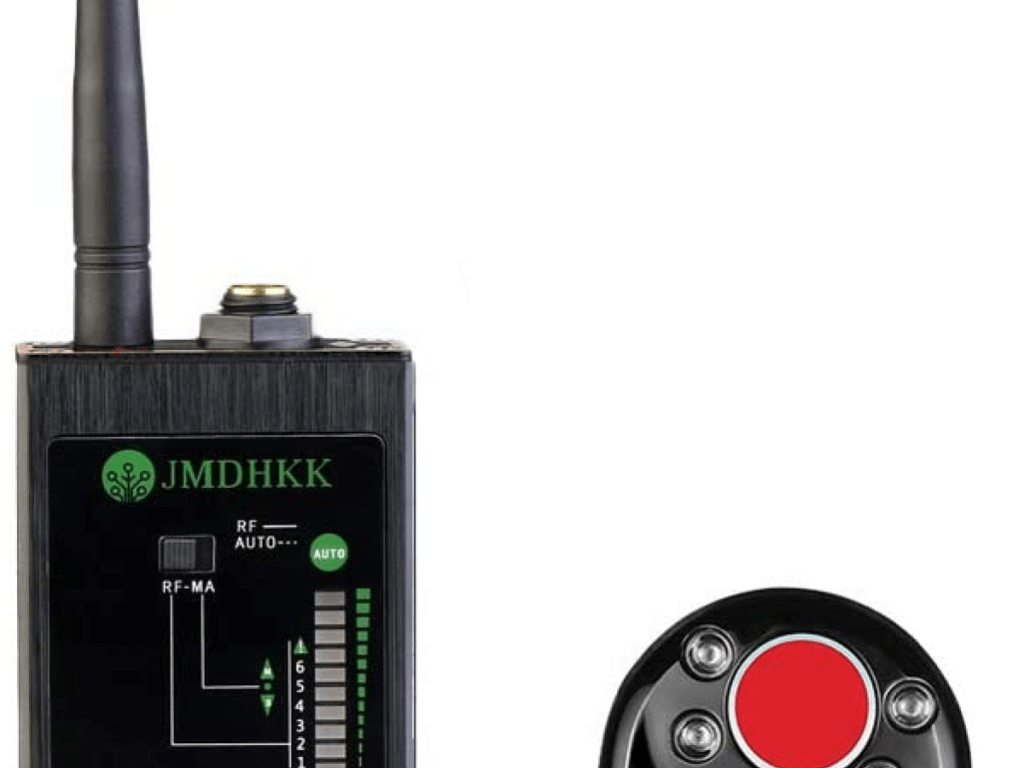
An RF bug detector is specifically designed to detect hidden or covert listening devices, also known as bugs. These detectors are commonly used for security purposes, such as in corporate boardrooms or government facilities, to sweep for any unauthorized surveillance devices. RF bug detectors are portable and easy to use, making them suitable for individuals concerned about privacy in their surroundings.
Wireless Camera Detector
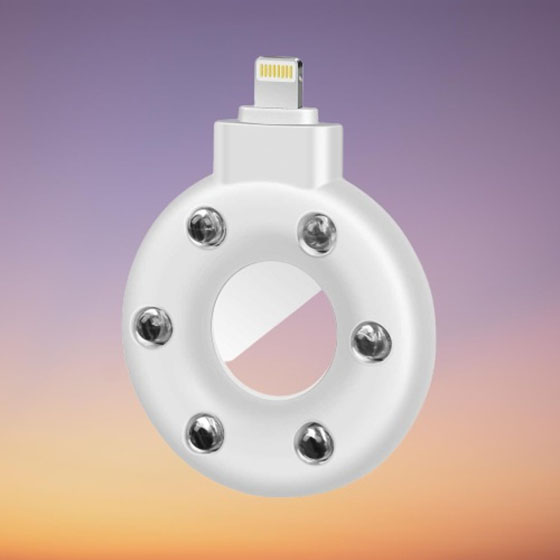
A wireless camera detector is specialized to detect hidden wireless cameras. These detectors are often used in settings where privacy may be a concern, such as hotel rooms or changing areas. With the increasing popularity of miniature wireless cameras, it has become essential to have a reliable wireless camera detector to ensure privacy. These detectors can help alert you to the presence of any hidden cameras and protect your personal space.
Frequency Range
Detection Frequency Range
The detection frequency range refers to the range of frequencies that an RF signal detector can scan and detect. It is important to choose a detector that covers a wide frequency range, as different devices and technologies operate on various frequencies. A broader detection frequency range ensures that the detector can pick up signals from a wider range of devices, increasing its effectiveness in detecting unwanted RF signals.
Operating Frequency Range
The operating frequency range, on the other hand, refers to the frequencies at which the RF signal detector itself operates. This range determines the sensitivity and accuracy of the detector in detecting and identifying RF signals. It is crucial to choose a detector with an operating frequency range that aligns with the frequencies of the signals you are trying to detect. Failure to do so may result in missed signals or inaccurate readings.
This image is property of helios-i.mashable.com.
Sensitivity and Detection Range
Sensitivity Levels
The sensitivity level of an RF signal detector determines its ability to detect weaker signals. A detector with high sensitivity can detect low-power RF signals, while a less sensitive detector may only detect stronger signals. The sensitivity level is typically measured in decibels (dBm) or milliwatts (mW). It is advisable to choose a detector with adjustable sensitivity levels to adapt to different environments and signal strengths.
Detection Range
The detection range refers to the distance at which an RF signal detector can detect signals. It is an important consideration, especially in situations where the detector needs to cover a wide area. A larger detection range allows for greater coverage and increases the chances of detecting unwanted RF signals. However, it is important to note that the detection range can be influenced by various factors, such as obstacles or signal interference, so it may vary in real-world scenarios.
Signal Detection Modes
Analog Detection Mode
Analog detection mode is a common feature in RF signal detectors. In this mode, the detector scans for analog RF signals, such as those emitted by traditional wireless devices like walkie-talkies or Wi-Fi routers. This mode is effective in detecting conventional RF signals and can help identify potential sources of interference or unauthorized transmissions.
Digital Detection Mode
Digital detection mode is designed to detect digital RF signals, such as those used by cell phones or digital wireless devices. This mode is essential in today’s digital age, where most wireless communication is done digitally. It allows the detector to identify and analyze digital signals, providing a more comprehensive detection capability.
Mixed Detection Mode
Some RF signal detectors offer a mixed detection mode, which combines both analog and digital detection capabilities. This mode ensures that the detector can detect a wide range of RF signals, regardless of whether they are analog or digital. It provides a versatile and flexible detection option and is ideal for situations where both analog and digital signals need to be monitored.

This image is property of cellbusters.com.
Detection Alert Options
Audible Alerts
Audible alerts are a common feature in RF signal detectors. When a signal is detected, the detector emits an audible alert, such as a beep or a tone, to notify the user. This allows for real-time feedback and immediate action to be taken upon signal detection. Audible alerts are particularly useful in situations where the user needs to be alerted to the presence of a signal quickly.
Visual Alerts
In addition to audible alerts, many RF signal detectors also provide visual alerts. These can include LED lights or graphical displays that indicate the presence and strength of detected signals. Visual alerts offer a more discreet option, allowing users to visually monitor the detector without drawing attention to themselves or their location.
Vibration Alerts
For situations where audible alerts may not be appropriate or effective, some RF signal detectors offer vibration alerts. When a signal is detected, the detector vibrates, providing a discreet and silent alert. Vibration alerts are useful in situations where maintaining secrecy or avoiding disruption is essential, such as during surveillance operations or sensitive meetings.
Portability and Size
Handheld Detectors
Handheld RF signal detectors are compact and portable, designed to be easily carried and used on the go. They are convenient for personal use and allow individuals to scan their surroundings for RF signals quickly. Handheld detectors are commonly used by individuals concerned about privacy, such as business travelers or those in public spaces. They provide a compact and practical solution for detecting unwanted RF signals in various settings.
Desktop Detectors
Desktop RF signal detectors are larger and less portable compared to handheld detectors. They are designed to be placed on a desk or a fixed location, providing a more stationary detection solution. Desktop detectors are often used in professional settings, such as offices or control rooms, where a constant monitoring of RF signals is required. These detectors usually offer enhanced features and longer detection ranges, making them suitable for more demanding applications.

This image is property of http://www.noyafa.com.
Battery Life and Power Source
Battery Life
Battery life is an important consideration when choosing an RF signal detector, especially for portable handheld models. A longer battery life ensures that the detector can operate for extended periods without needing frequent recharging or battery replacement. It is advisable to choose a detector with a battery life that meets your specific needs and usage patterns to avoid interruptions during usage.
Power Source
RF signal detectors can be powered by various sources, including rechargeable batteries, disposable batteries, or direct AC power. Rechargeable batteries offer convenience and cost savings in the long run, as they can be easily recharged and reused. Disposable batteries, on the other hand, provide a readily available power source but may require frequent replacement, depending on usage. AC-powered detectors, typically desktop models, offer continuous power without the need for battery changes, ensuring uninterrupted operation.
Ease of Use and User Interface
Simple Controls
A user-friendly RF signal detector should have simple controls that are easy to understand and operate. Intuitive button layouts or touchscreens can make it effortless to navigate through different settings and modes. Clear and concise labeling of controls ensures that users can quickly and confidently use the detector without confusion or the need for extensive training.
Intuitive Display
An intuitive and informative display is essential for an RF signal detector. The display should provide clear and concise information about detected signals, including frequency, signal strength, and type of signal. Graphical representations or color-coded indicators can further enhance the user experience and enable quicker analysis and identification of RF signals.
This image is property of http://www.noyafa.com.
Additional Features
GPS Tracking
Some advanced RF signal detectors offer GPS tracking capabilities. With GPS tracking, the detector can not only detect RF signals but also pinpoint the location of the detected signals on a map. This feature is particularly useful for tracking down the source of unwanted signals or for proactive monitoring in large areas where signal interference may occur.
Geofencing
Geofencing is a feature that allows the user to define a specific geographical area where the RF signal detector should be particularly vigilant. If a signal is detected within the defined geofence, the detector will trigger an alert. Geofencing is valuable in situations where certain areas need to be closely monitored or protected, such as restricted zones or secure facilities.
Data Logging
Data logging is a feature found in some RF signal detectors that allows for the recording and analysis of detected signals over time. This feature can provide valuable insights into signal patterns, interference sources, or unauthorized transmissions. Data logging can be particularly beneficial in professional settings, where detailed analysis and documentation of detected signals are necessary.
Price Range and Budget
Affordable Options
RF signal detectors are available in a wide range of prices, allowing for options to fit different budgets. Affordable options are typically basic models that offer essential detection capabilities without the additional features found in more expensive detectors. These detectors are suitable for personal use or for those with budget constraints who still require reliable signal detection.
Premium Models
Premium RF signal detectors often come with advanced features, increased sensitivity, and enhanced performance. These models are designed for professional use, where accuracy and precision are crucial. Premium detectors may have a higher price point but offer greater detection range and additional features, making them worth considering for those who require the best performance in their signal detection needs.
Choosing the Best RF Signal Detector
When selecting an RF signal detector, consider the specific types of RF signals you want to detect, the desired frequency range and sensitivity, the level of portability required, the alert options that suit your needs, and any additional features you may find beneficial. It is advisable to compare different models within your budget range to ensure the detector meets your specific requirements. By understanding the different aspects of RF signal detectors, you can make an informed decision and choose the best detector for your particular application.