
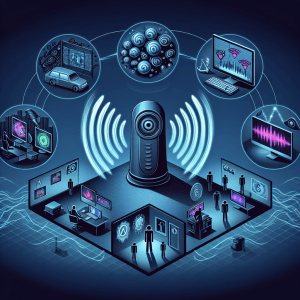
In this article, you will discover five effective techniques to combat audio jammers, those sneaky devices that disrupt the sound in your surroundings. Whether you want to protect your privacy in public places or ensure the integrity of confidential conversations, these strategies will empower you to regain control and silence the interference caused by audio jammers. From identifying suspicious behavior to utilizing advanced technology, you’ll find practical tips and tricks to outwit these disruptive gadgets and enjoy interruption-free audio experiences.
Understanding Audio Jammers
What Are Audio Jammers?
Audio jammers are devices designed to disrupt and undermine the effectiveness of covert audio surveillance. They emit a high-pitched noise that interferes with the recording or transmission of audio signals, rendering them inaudible or unintelligible. Audio jammers are primarily used to protect privacy and prevent eavesdropping in sensitive environments. Whether it’s in corporate boardrooms, government agencies, or personal spaces, audio jammers serve as a valuable tool in maintaining confidentiality and safeguarding sensitive information.
How Do Audio Jammers Work?
Audio jammers operate on the principle of generating sound frequencies that overlap and interfere with the targeted audio signals. They emit white noise or ultrasonic frequencies that overpower the original audio transmission, rendering it incomprehensible. By inundating the surrounding environment with disruptive sound waves, audio jammers make it challenging for eavesdroppers to capture clear and intelligible audio. This interference technique effectively counteracts the efforts of covert listening devices, ensuring that sensitive conversations remain private and secure.
Potential Risks of Audio Jammers
While audio jammers provide an effective countermeasure against unauthorized audio surveillance, it’s essential to consider the potential risks they can pose. One of the risks associated with audio jammers is the unintentional disruption of legitimate audio equipment. In environments where audio recording is permitted, such as public spaces or conference rooms, audio jammers might inadvertently affect the functioning of authorized devices.
Another risk is the violation of laws and regulations pertaining to audio surveillance. It is crucial to ensure compliance with local jurisdiction regarding the use of audio jammers. Failure to do so can lead to legal consequences and potential civil liabilities. To mitigate these risks, it is vital to have a comprehensive understanding of the legal considerations surrounding the use of audio jammers and take appropriate measures to adhere to the applicable laws and regulations.
Recognizing the Need for Countermeasures
Identifying Threats and Vulnerabilities
Recognizing the need for countermeasures is crucial in maintaining privacy and protecting sensitive information. By identifying potential threats and vulnerabilities, individuals and organizations can take proactive steps to safeguard against unauthorized audio surveillance. Threat identification involves considering the specific environment and the potential motives of eavesdroppers. By assessing the risks, it becomes possible to implement the necessary security measures to ensure privacy and confidentiality.
The Importance of Protecting Privacy
Protecting privacy is not only a legal and ethical obligation but also a fundamental human right. In today’s interconnected world, personal and confidential information is more vulnerable than ever. Whether it’s sensitive business discussions or private conversations, unauthorized audio surveillance can have severe consequences. Safeguarding privacy ensures the preservation of individual dignity, confidentiality, and trust. Recognizing the importance of privacy protection is the first step towards implementing effective countermeasures.
Legal Considerations
Laws and Regulations Surrounding Audio Jammers
Before deploying audio jammers, it is essential to familiarize yourself with the laws and regulations surrounding their use in your jurisdiction. Different countries and regions have varying legal frameworks, and it is crucial to understand the specific rules governing the use of audio jammers. Some jurisdictions may require obtaining proper permits or licenses, while others may regulate the use of these devices entirely. By conducting thorough research and consulting legal experts, you can ensure that your use of audio jammers is in full compliance with the law.
Ensuring Compliance with Local Jurisdiction
To avoid legal complications, it is essential to ensure compliance with local jurisdiction. This involves not only understanding the laws and regulations but also adhering to them in practice. Regularly reviewing and updating your knowledge of pertinent legislation helps ensure that your countermeasures remain lawful and effective. By working closely with legal professionals and staying informed, you can navigate the complex landscape of audio surveillance regulations and protect yourself from any legal consequences.
Physical Countermeasures
Physical Inspection and Maintenance
Regular physical inspection and maintenance of the premises can help identify any vulnerabilities that may be exploited by eavesdroppers. Conducting thorough sweeps of rooms and areas where sensitive conversations occur is essential. Look for any unfamiliar or suspicious objects that could potentially contain hidden microphones or other covert listening devices. Additionally, maintaining the integrity of physical barriers, such as walls and ceilings, can help prevent audio leakage and unauthorized surveillance.
Securing Audio Equipment
Properly securing audio equipment is crucial in preventing tampering or unauthorized access that could compromise privacy. Ensure that all audio devices are password protected and employ encryption technologies whenever possible. Restrict physical access to audio equipment to authorized personnel only and regularly update security protocols to stay ahead of potential threats. This proactive approach helps maintain the integrity and confidentiality of audio recordings, reducing the risk of unauthorized access.
Soundproofing and Acoustic Treatments
Soundproofing and acoustic treatments can significantly enhance privacy and prevent the leakage of audio signals. By reducing external noise and preventing sound waves from escaping a specific area, soundproofing measures create a more secure environment for confidential conversations. Utilizing materials such as acoustic panels, sound-absorbing curtains, and double-glazed windows can help minimize the risk of audio leakage. Implementing these physical countermeasures ensures that sensitive discussions remain private and protected.
Detection Devices
Using Audio Jammers Detectors
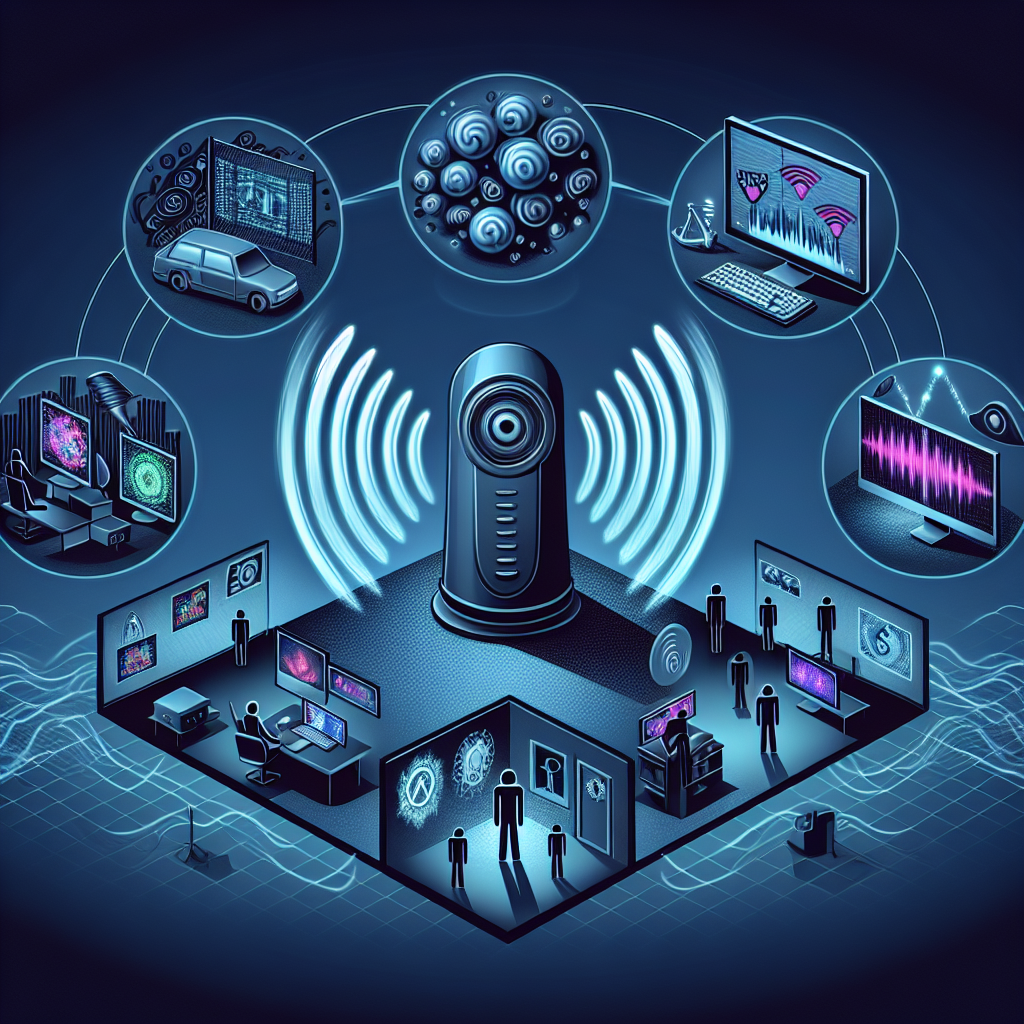
Employing audio jammer detectors is an effective way to identify the presence of covert listening devices. These specialized detectors can identify the presence of audio jammers within a certain range. By utilizing advanced sensing technologies, audio jammer detectors can alert individuals to potential threats and help initiate appropriate countermeasures. Regular sweeps with audio jammer detectors can ensure a heightened level of security and peace of mind.
Signal Analysis and Frequency Scanners
Signal analysis and frequency scanning devices are valuable tools in detecting unauthorized audio surveillance. These devices can identify frequency disruptions and unusual signals that may indicate the presence of covert listening devices or audio jammers. By performing periodic frequency scans and signal analysis, individuals and organizations can stay one step ahead of potential threats. Swift detection and timely response ensure the protection of privacy and confidential conversations.
Radio Frequency Countermeasures
RF Spectrum Analysis
RF spectrum analysis involves analyzing the radio frequency spectrum to detect and identify potential threats. By conducting RF spectrum scans, individuals can identify any unusual or unauthorized RF signals that may indicate the presence of hidden audio surveillance devices. These scans enable individuals to proactively mitigate risks and ensure the privacy of sensitive conversations.
Sweeping and Monitoring RF Signals
Regular sweeping and monitoring of RF signals are essential in maintaining a secure environment. By periodically scanning for RF signals, individuals can identify any unauthorized audio transmissions that may compromise privacy. This monitoring enables swift action, such as locating and disabling unauthorized devices, ensuring the integrity of private conversations.
Blockers and Jammers Detection
As audio jammers become more sophisticated, it is essential to implement adequate countermeasures to detect their presence. Utilizing blockers and jammers detection technologies can help identify any attempts to disrupt audio signals. These detection devices can alert individuals to the use of malicious audio jammers and enable proactive measures to ensure the privacy and security of sensitive discussions.
Encryption and Secure Communication
End-to-End Encryption
Implementing end-to-end encryption is crucial in securing audio communications. By encrypting the audio signals from the point of origin to the point of reception, individuals can ensure that only authorized parties can access and decipher the content. End-to-end encryption provides an additional layer of security, making it extremely difficult for unauthorized individuals to intercept and understand audio transmissions.
Secure Communication Platforms
Using secure communication platforms that employ robust encryption technologies is vital in maintaining privacy. These platforms offer secure channels for audio communication, preventing unauthorized access and eavesdropping. By leveraging secure communication protocols and platforms, individuals and organizations can communicate confidential information without the risk of interception or surveillance.
Awareness and Education
Training Staff and Individuals
Raising awareness and providing training to staff and individuals is an essential aspect of maintaining security against audio jammers and covert surveillance. By educating employees and individuals about the potential risks and countermeasures, organizations can foster a culture of security consciousness. Training sessions can cover topics such as identifying and reporting suspicious activities, recognizing the signs of unauthorized audio surveillance, and understanding the proper use of countermeasure devices. This knowledge empowers individuals to actively contribute to maintaining privacy and protecting sensitive information.
Identifying and Reporting Suspicious Activities
Encouraging individuals to identify and report suspicious activities is crucial in preventing unauthorized audio surveillance. By establishing reporting mechanisms and providing clear guidelines, organizations can create an environment where individuals feel empowered to report any unusual or suspicious behavior. Prompt reporting allows for timely investigation and response, minimizing the potential risks associated with covert audio surveillance.
Professional Assistance
Consulting Security Experts
Seeking the assistance of security experts can provide valuable insights into the best practices and latest technologies in countering audio jammers. These professionals can assess the specific needs and vulnerabilities of an organization or individual and recommend tailored countermeasure strategies. By working closely with security experts, individuals and organizations can benefit from their expertise and experience, ensuring the implementation of effective and comprehensive security measures.
Professional Audio Security System Installation
Engaging professional audio security system installation services ensures that countermeasures are implemented correctly and efficiently. These professional installers have the knowledge and experience to design and install custom audio security systems that address the unique needs of each environment. With meticulous attention to detail, professional installation ensures the optimal placement of audio jammers, detectors, and other countermeasure devices, providing maximum protection against unauthorized audio surveillance.
Regular Monitoring and Assessment
Conducting Routine Security Audits
Regular security audits are crucial for maintaining the effectiveness of countermeasures against audio jammers. These audits involve evaluating the existing security measures, identifying any potential vulnerabilities, and implementing necessary improvements. By conducting periodic assessments, individuals and organizations can stay ahead of emerging threats, ensuring that their privacy remains protected and secure.
Updating and Expanding Security Measures
As technology advances and threats evolve, it is essential to update and expand security measures against audio jammers. By staying informed about the latest trends and advancements, individuals can proactively adapt their countermeasure strategies. Regularly updating security protocols, implementing new technologies, and expanding existing measures help maintain robust protection against unauthorized audio surveillance.
In conclusion, understanding audio jammers and the risks they pose is essential for safeguarding privacy and protecting sensitive information. By recognizing the need for countermeasures and adhering to legal considerations, individuals and organizations can proactively mitigate the risks associated with unauthorized audio surveillance. Implementing physical countermeasures, utilizing detection devices, employing radio frequency countermeasures, and prioritizing encryption and secure communication are effective strategies for countering audio jammers. Additionally, fostering awareness and education, seeking professional assistance, and conducting regular monitoring and assessment ensure comprehensive and up-to-date protection against audio surveillance threats. By adopting a proactive approach and implementing these measures, individuals and organizations can maintain privacy, protect confidentiality, and secure valuable information.
