Have you ever wondered how audio jammers work? In this article, we will explore the fascinating world of audio jammers and unravel their functionality. Audio jammers are devices designed to interfere with or block audio recordings, making them an important tool for privacy and security. Whether it’s protecting confidential conversations or ensuring privacy in public spaces, audio jammers play a crucial role. Join us as we delve into the workings of these innovative devices and discover how they help maintain privacy and confidentiality.
I. Introduction to Audio Jammers
A. Definition of Audio Jammers
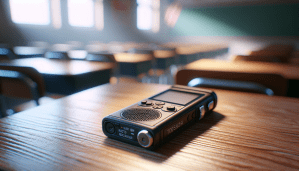
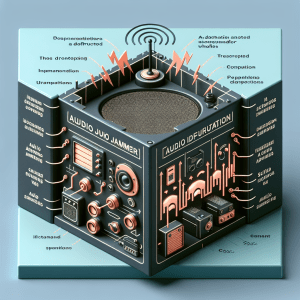
Audio jammers are devices designed to disrupt and disable audio recording or surveillance equipment. They emit various types of sounds or frequencies that interfere with the recording capabilities of microphones and other listening devices.
B. Importance of Audio Jammers
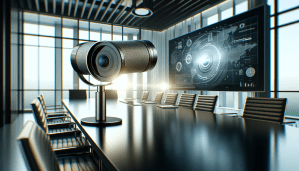
Audio jammers play a crucial role in maintaining privacy and security in various settings. They are particularly useful in preventing unauthorized recording in sensitive areas where confidential conversations take place, such as boardrooms, conference rooms, or private offices.
C. Legal Considerations
While audio jammers can be valuable tools for privacy protection, it is important to understand and comply with the legal regulations regarding their use. Laws regarding the use of audio jammers vary across jurisdictions, so it is essential to familiarize yourself with the specific guidelines in your location.
II. Types of Audio Jammers
A. White Noise Jammers
White noise jammers produce a continuous and random mixture of frequencies, effectively masking any conversations or sounds within the jamming radius. They create a wall of sound that makes it challenging for audio surveillance devices to pick up clear recordings.
B. Ultrasonic Jammers
Ultrasonic jammers emit high-frequency sound waves that are beyond the range of human hearing. These waves interfere with the audio recording capabilities of devices that operate within the audible range, rendering them ineffective. Ultrasonic jammers are highly discrete since they do not cause any disturbance to human ears.
C. Random Sound Jammers
Random sound jammers generate a pattern of unpredictable sounds that disrupt audio recording devices. By constantly changing the frequency and intensity of the emitted sounds, these jammers make it difficult for surveillance equipment to capture coherent audio.
D. Jamming with Audio Distortion
Audio distortion jammers modify audio signals to introduce intentional distortions, rendering recorded conversations unintelligible. By altering the pitch, frequency, or timing of sounds, these jammers make it nearly impossible to decipher the original content of recorded conversations.
E. Selective Jammers
Selective jammers can target specific frequencies or frequency ranges, allowing the user to selectively block and disrupt audio recording devices operating within those frequencies. This enables more precise control over the jamming effect and minimizes interference with legitimate audio sources outside the designated range.
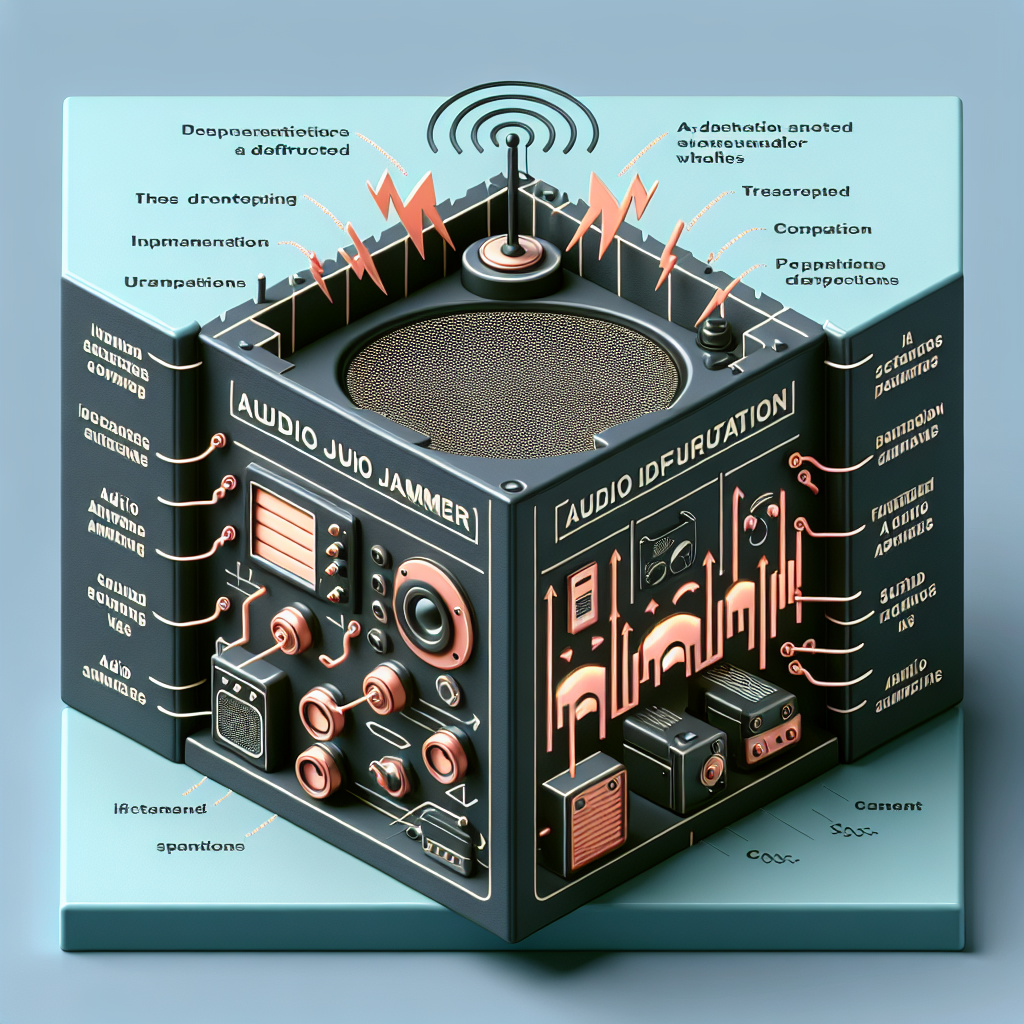
III. Working Principles of Audio Jammers
A. Understanding Frequency and Interference
To comprehend the working principles of audio jammers, it is essential to understand the concept of frequency and how interference affects audio recording. Sound is a series of vibrations that travel in waves, with frequency representing the number of vibrations per second. Interference occurs when an external sound wave disrupts the original wave, resulting in distortion or rendering it indistinguishable.
B. White Noise Generation
White noise jammers generate a mixture of frequencies that span the entire audible spectrum. This continuous and random sound has an equal energy distribution across all frequencies, effectively masking any targeted sounds or conversations. The jammer overwhelms the microphone with an abundance of sound signals, making it extremely challenging for any recorded audio to be clearly discernible.
C. Ultrasonic Waves and Their Effects on Audio
Ultrasonic jammers emit sound waves at frequencies beyond the range of human hearing, typically above 20,000 hertz. These high-frequency waves interfere with audio recording devices that operate within the audible range, disrupting their ability to capture intelligible audio. Ultrasonic jammers are particularly effective at preventing covert surveillance since they remain undetectable to humans.
D. Manipulating Soundwaves to Distort Recordings
Audio distortion jammers employ techniques to alter the characteristics of sound waves. By manipulating factors such as pitch, frequency, or timing, these jammers introduce intentional distortions into the recorded audio. This renders the original content unintelligible, even if someone manages to capture the conversation. Audio distortion is an effective method to protect sensitive discussions from being comprehended by eavesdroppers.
IV. Setting Up and Using Audio Jammers
A. Placement Considerations
The proper placement of audio jammers is crucial for ensuring their optimal effectiveness. They should be strategically positioned to cover the targeted area efficiently. It is advisable to consult with a security professional or review the manufacturer’s guidelines to determine the most suitable placement for your specific requirements.
B. Power Sources and Battery Life
Audio jammers can be powered through various sources such as batteries, AC adapters, or USB connections. It is essential to consider the power source options and battery life when selecting a jammer. Battery-operated jammers offer increased mobility and flexibility, while AC-powered jammers provide continuous operation without the need for battery replacements.
C. Adjusting Jammers for Optimal Effectiveness
Each jamming method requires specific adjustments to achieve optimal effectiveness. For example, with white noise jammers, finding the right volume level is crucial to create a masking effect without causing annoyance. Ultrasonic jammers may require adjustments to ensure the emitted frequencies are within the range of target devices. It is important to carefully follow the instructions provided with the jamming device to achieve the desired outcome.
D. Integration with Other Security Systems
To enhance overall security, audio jammers can be integrated with other security systems, such as surveillance cameras or intrusion detection systems. By combining different technologies, you can create a comprehensive security solution that not only protects audio privacy but also provides a robust defense against unauthorized access or surveillance.

V. Limitations and Risks of Audio Jammers
A. Potential False Sense of Security
While audio jammers are highly effective at disrupting audio recording devices, it is important to acknowledge their limitations. They do not provide complete protection against all forms of surveillance. Other methods, such as video or physical monitoring, could still compromise privacy and security.
B. Compatibility Issues with Sound Systems
Audio jammers may cause compatibility issues with legitimate sound systems within the vicinity. It is crucial to assess the potential impact on authorized sound devices and ensure that their functionality is not compromised by the jamming activities.
C. Interference with Legitimate Audio Sources
Audio jammers can unintentionally interfere with legitimate audio sources if not properly configured or placed. Consideration should be given to neighboring areas or adjacent rooms where legitimate audio equipment is in operation to prevent any unintended negative impact.
D. Legal Restrictions and Consequences
The use of audio jammers is subject to legal regulations that vary across jurisdictions. It is essential to understand and comply with these laws to avoid potential legal consequences. Consult with legal professionals or security experts to ensure compliance before deploying audio jamming devices.
VI. Comparison with Other Anti-Surveillance Methods
A. Audio Jammers vs. White Noise Generators
Audio jammers and white noise generators share a common goal of disrupting covert audio monitoring. However, white noise generators generate a fixed, consistent sound, while audio jammers have the flexibility to produce various types of sounds or frequencies. The ability of audio jammers to selectively target specific frequencies gives them an advantage in certain scenarios.
B. Audio Jammers vs. Speech Masking
Speech masking systems employ the use of artificial speech-like sounds to mask conversations. While speech masking can effectively protect privacy, audio jammers offer a broader range of jamming methods and can be more versatile in different environments. The choice between the two depends on specific security needs and preferences.
C. Audio Jammers vs. Acoustic Noise Generators
Acoustic noise generators produce constant and loud sounds to interfere with audio surveillance. While they can be effective in certain situations, they may cause disturbance or annoyance to individuals present in the area. Audio jammers, on the other hand, offer more control over the jamming effect and can be adjusted to minimize the impact on human ears.
VII. Choosing the Right Audio Jammer
A. Assessing Security Needs and Threats
Before selecting an audio jammer, it is crucial to assess the security needs and potential threats faced in the specific environment. Consider factors such as the size of the area requiring protection, the level of privacy desired, and the sensitivity of the information being discussed in determining the appropriate jamming solution.
B. Evaluating Jammer Features and Specifications
Different audio jammers come with varying features and specifications. Evaluate factors such as jamming range, power options, battery life, and adjustable settings to ensure the chosen jammer aligns with the specific requirements. Reading product reviews and consulting with security professionals can aid in the decision-making process.
C. Considering Budgetary Constraints
Cost is an important factor when choosing an audio jammer. Determine the budget available for the purchase and installation of a jammer. Take into account any ongoing maintenance or replacement costs associated with the selected jamming device.
D. Seeking Professional Advice
If you are unsure about the best audio jammer for your needs, seeking professional advice can provide valuable insights. Security experts or consultants can assess the requirements, recommend suitable products, and provide guidance on implementation and compliance with legal regulations.
VIII. Maintaining and Testing Audio Jammers
A. Regular Maintenance Procedures
Regular maintenance is essential to ensure the optimal functioning of audio jammers. Follow manufacturer guidelines for cleaning and performing routine checks. Regularly inspect cables, connectors, and power sources to identify any potential issues. Address any necessary repairs promptly to avoid disruptions in the jamming system.
B. Testing Jammer Effectiveness
Periodically testing the effectiveness of audio jammers is crucial for maintaining reliable security. Conduct tests to ensure that the jammer is properly blocking audio recording devices within the desired range. Use audio monitoring equipment to evaluate the jamming performance and make any necessary adjustments if the device is not functioning as intended.
C. Troubleshooting Common Issues
In the event of any performance issues or malfunctions, it is important to troubleshoot the problem promptly. Common issues may include power failures, connectivity problems, or incorrect settings. Consult the jammer’s user manual or reach out to the manufacturer’s support for troubleshooting guidance. If needed, seek professional assistance to resolve complex issues.
IX. Case Studies: Successful Applications of Audio Jammers
A. Corporate Security
In corporate environments, audio jammers have been instrumental in safeguarding confidential discussions during board meetings, negotiations, or intellectual property discussions. By preventing unauthorized recording, audio jammers protect sensitive information and maintain the integrity of business operations.
B. Government and Military Installations
Government agencies and military installations often handle classified information that requires utmost privacy. Audio jammers are employed in these settings to ensure secure communication and protect national security interests.
C. Personal Privacy
Individuals concerned about their privacy in their homes or other private spaces have found audio jammers helpful. These devices provide peace of mind, ensuring that personal conversations are not being recorded without consent. Personal privacy and protection from potential eavesdropping are crucial for maintaining a sense of security.
X. Conclusion
A. Recap of Key Points
Audio jammers are effective tools for maintaining privacy and security in various settings. They selectively disrupt audio recording devices, preventing unauthorized recordings and protecting sensitive conversations. Understanding the different types, working principles, and limitations of audio jammers is vital in making informed decisions about their implementation.
B. Importance of Audio Jammer Implementation
The use of audio jammers should be considered by individuals and organizations seeking to protect their privacy and sensitive information. By choosing the right audio jammer, integrating it with other security systems, and complying with legal regulations, one can significantly enhance the overall security posture and protect against unauthorized audio surveillance. Remember, seeking professional advice and regularly testing and maintaining audio jammers are crucial for ensuring their optimal effectiveness.