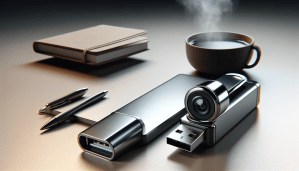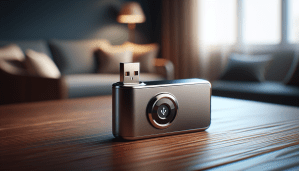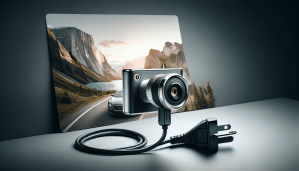
Are you ready to uncover the thrilling world of spy gadgets? From hidden cameras to covert communication devices, this ultimate guide has got you covered. Whether you’re just a curious spy enthusiast or a seasoned secret agent, this article will provide you with an insider’s perspective on the latest and greatest spy gadgets available today. Get ready to embark on an exciting journey filled with cutting-edge technology and clandestine devices that will make your inner spy swoon. So, grab your magnifying glass and let’s explore the fascinating world of spy gadgets together.
Getting Started with Spy Gadgets
Welcome to the exciting world of spy gadgets! Whether you’re a curious enthusiast or an aspiring secret agent, this comprehensive guide will equip you with the knowledge you need to get started. From hidden cameras to GPS trackers, we’ll explore the various types of spy gadgets available and help you choose the right ones for your unique needs and budget.
Understanding Spy Gadgets
Spy gadgets are specially designed devices used for surveillance and covert operations. These innovative tools allow you to gather information discreetly and ensure the safety and security of yourself and those around you. They come in various forms and functionalities, giving you the flexibility to select the most suitable gadgets for your particular circumstances.
Types of Spy Gadgets
Before diving into the individual categories of spy gadgets, let’s take a look at the different types available:
-
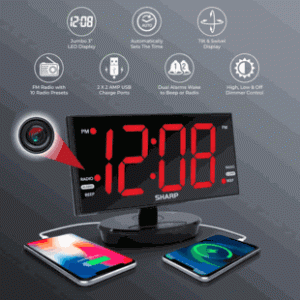
Hidden Cameras: These devices are designed to capture video footage without being easily noticeable. They can be concealed in everyday objects such as clocks, pens, or even inside a teddy bear.
-
Audio Surveillance: Audio surveillance devices are used to record conversations and other sounds. They can be used for personal security, professional purposes, or simply for gathering information.
-
GPS Trackers: GPS trackers allow you to monitor the location of vehicles, people, or even valuable assets. With real-time tracking capabilities, they provide an effective solution for keeping tabs on movement.
-
Counter Surveillance Gadgets: These gadgets help in detecting and neutralizing any surveillance efforts directed towards you. They are essential for maintaining privacy and preventing unauthorized access to your personal information.
-
Lock Picking Tools: Lock picking tools are used to gain access to locked areas. While they may carry a negative connotation, they serve as valuable tools for locksmiths and security professionals.
-
Tracking Devices: Similar to GPS trackers, tracking devices allow you to monitor the movements and location of objects or individuals. They can be attached discreetly, making them useful for various surveillance scenarios.
-
Hidden Spy Apps: These software applications can be installed on devices like smartphones or computers to monitor and track activity. They provide a covert way of gathering information without the user’s knowledge.
-
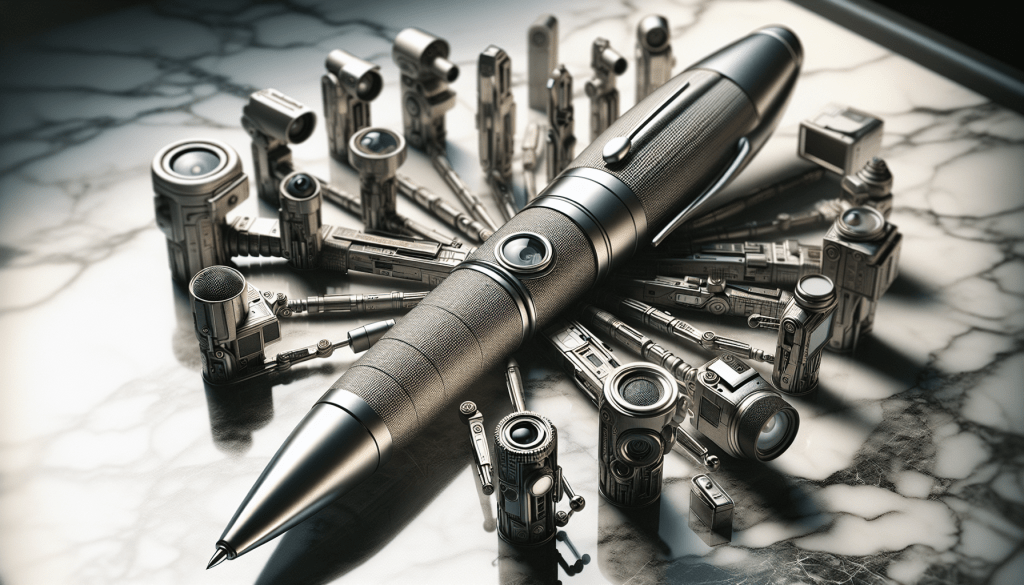
Spy Watches and Pens: Spy watches and pens are wearable gadgets that can record video or audio discreetly. They often feature built-in cameras or microphones, making them ideal for covert operations.
Choosing the Right Spy Gadgets
Now that you have an overview of the different types of spy gadgets, it’s important to consider several factors before making a purchase:
Consider Your Needs
Think about the specific surveillance needs you have. Are you looking to monitor your home, gather evidence, or keep an eye on a loved one? Identifying your objectives will help you determine the most suitable spy gadgets for your situation.
Legal Considerations
Before purchasing and using spy gadgets, it’s crucial to understand the legal considerations in your jurisdiction. Different countries and regions have varying laws regarding surveillance, privacy, and the use of spy gadgets. Ensure that you comply with all applicable regulations to avoid any legal repercussions.
Budget Constraints
While spy gadgets can range in cost, setting a budget will help narrow down your options. Consider how much you’re willing to invest in your surveillance equipment and prioritize your needs accordingly.

Hidden Cameras
Hidden cameras are a popular choice for surveillance purposes due to their discreet nature. They come in various shapes and sizes, making it easier to blend them seamlessly into your environment.
Introduction to Hidden Cameras
Hidden cameras, also known as covert cameras or spy cameras, are designed to capture video footage without being easily detected. They can be placed inconspicuously or disguised as everyday objects. Hidden cameras provide an effective solution for monitoring your home, office, or any other space you want to keep under surveillance.
Different Types of Hidden Cameras
Hidden cameras come in different types, each with its own unique features and functionalities. Some popular options include:
-
PIR Motion Sensor Cameras: These cameras use a passive infrared (PIR) sensor to detect changes in heat signatures. They activate and start recording when they detect motion.
-
Wi-Fi Enabled Cameras: Wi-Fi enabled hidden cameras allow you to stream live footage or access recorded videos remotely using a smartphone or computer. This feature provides convenience and flexibility for monitoring.
-
Body-Worn Cameras: These cameras are designed to be worn on the body, such as on clothing or accessories. Body-worn cameras are often used in law enforcement or personal security situations.
Choosing the Best Hidden Camera
When selecting a hidden camera, consider the following factors:
-
Image Quality: Look for a hidden camera that offers high-resolution video capture to ensure clear and detailed footage.
-
Viewing Angle: Determine the viewing angle that suits your surveillance needs. Wide-angle lenses provide a broader field of view, while narrow-angle lenses are ideal for focusing on specific areas.
-
Recording Options: Consider whether you prefer continuous recording or motion-activated recording. Some hidden cameras offer both options for maximum flexibility.
-
Power Source: Hidden cameras can be powered by batteries or connected to a power source. Consider the pros and cons of each option based on your specific surveillance scenario.
Tips for Using Hidden Cameras
Here are some tips to make the most of your hidden camera:
-
Placement is Key: Strategically position your hidden camera to capture the desired area. Consider factors such as lighting conditions and possible obstructions when deciding on the placement.
-
Check Local Laws: Understand the legal limitations of using hidden cameras in your jurisdiction. Ensure that you comply with all surveillance and privacy regulations.
-
Test and Monitor: Regularly test your hidden camera to ensure it is functioning properly. Monitor the video feed or review recorded footage to identify any issues or potential security breaches.
-
Protect Access to Recordings: If your hidden camera saves recordings locally, ensure that the storage device is secure and accessible only to authorized individuals.
By following these tips, you can maximize the effectiveness of your hidden camera and obtain valuable surveillance footage.
Audio Surveillance
Audio surveillance devices are essential tools for capturing and recording conversations discreetly. They offer a range of functionalities and can be used for various purposes, including personal security and investigative work.
Overview of Audio Surveillance
Audio surveillance involves the use of devices to monitor and record conversations or other audio sources. It enables you to gather valuable information and evidence that may not be captured by video surveillance alone.
Types of Audio Surveillance Devices
There are several types of audio surveillance devices available in the market:
-
Microphones: Microphones are the basic building blocks of audio surveillance. They can be concealed in different objects, such as pens or buttons, to capture audio discreetly.
-
Voice Activated Recorders: Voice activated recorders are designed to start recording automatically when they detect sound. They conserve storage space by only capturing audio when there is activity.
-
GSM Listening Devices: GSM listening devices use cellular technology to transmit audio remotely. They allow you to dial into the device and listen to live conversations from a distance.
Selecting the Best Audio Surveillance Device
When choosing an audio surveillance device, consider the following factors:
-
Sound Quality: Look for devices that offer clear and distortion-free audio recording. High-quality audio is essential for accurate interpretation and analysis.
-
Storage Capacity: Consider the storage capacity of the device and choose one that suits your recording needs. If you anticipate long recording sessions, opt for devices with larger storage capabilities.
-
Battery Life: Check the battery life of the device to ensure it can operate for extended periods without running out of power. Look for devices with long-lasting batteries or options for external power sources.
-
Stealth and Discretion: Depending on your surveillance scenario, you may require devices that can be concealed easily. Consider the size and design of the audio surveillance device to ensure it remains discreet during operation.
Tips for Effective Audio Surveillance
Here are some tips to enhance your audio surveillance efforts:
-
Positioning: Proper placement of microphones or listening devices is crucial for capturing clear audio. Experiment with different positions and distances to find the optimal setup.
-
Noise Reduction: Minimize background noise by choosing a quiet location for audio surveillance. Avoid placing microphones near air conditioning units, fans, or other sources of unwanted noise.
-
Test Recordings: Regularly test the audio surveillance device and review recordings to ensure optimal performance. Adjust settings as necessary to achieve the desired audio quality.
-
Legal Considerations: Familiarize yourself with the legal requirements surrounding audio surveillance in your area. Obtain any necessary permissions or licenses before engaging in audio surveillance activities.
By adhering to these tips, you can effectively gather valuable audio information while ensuring compliance with legal regulations.
GPS Trackers
GPS trackers are essential tools for monitoring the precise location of vehicles, individuals, or assets. They provide real-time information and enable efficient tracking in various scenarios, from fleet management to personal safety.
Introduction to GPS Trackers
GPS trackers utilize global positioning systems (GPS) and cellular networks to determine and transmit location information. They offer real-time tracking capabilities, enabling you to monitor subjects remotely.
Different Types of GPS Trackers
Various types of GPS trackers are available on the market, catering to different tracking needs:
-
Vehicle Trackers: These GPS trackers are specifically designed for monitoring the location and movement of vehicles. They are commonly used by fleet managers, car rental companies, and concerned individuals.
-
Personal Trackers: Personal GPS trackers are compact and portable devices that allow you to track the location of an individual. They are useful for ensuring the safety of loved ones, such as children or elderly family members.
-
Asset Trackers: Asset GPS trackers are designed to monitor the location of valuable objects, such as equipment, shipments, or high-value items. They provide peace of mind by allowing you to keep an eye on your assets at all times.
Choosing the Right GPS Tracker
Consider the following factors when selecting a GPS tracker:
-
Tracking Accuracy: Look for GPS trackers that offer high precision and accuracy in location tracking. Reliable trackers provide real-time updates and minimal margin of error.
-
Battery Life: Evaluate the battery life of the GPS tracker, as it determines how long it can operate before requiring a recharge or battery replacement. Opt for trackers with longer battery life for extended tracking periods.
-
Tracking Features: Assess the additional features and functionalities offered by the GPS tracker. Some trackers offer alerts for geofencing, SOS buttons for emergency situations, or even two-way communication capabilities.
-
Subscription Cost: Keep in mind that GPS trackers often require a monthly or annual subscription. Consider the subscription costs associated with different trackers and factor them into your budget.
Tips for Using GPS Trackers
Here are some tips to make the most of your GPS tracker:
-
Discreet Placement: Conceal the GPS tracker in a secure but discreet location to prevent tampering or detection. Some trackers can be easily attached to assets or vehicles, while others may require professional installation.
-
Real-Time Monitoring: Regularly access the tracking platform or app associated with your GPS tracker to view real-time location updates. Set up alerts or notifications to stay informed of any critical events.
-
Data Security: Ensure that the tracking platform or app is secure and protected to prevent unauthorized access to location data. Choose platforms that offer encryption and robust security measures.
-
Battery Management: Monitor the battery level of your GPS tracker to avoid interruptions in tracking. Establish a routine for recharging or replacing batteries to ensure uninterrupted service.
By following these tips, you can harness the full potential of GPS trackers for effective monitoring and tracking.
Counter Surveillance Gadgets
Counter surveillance gadgets play a crucial role in maintaining privacy and protecting against unauthorized surveillance attempts. They help you detect and neutralize any potential threats to your confidentiality.
Understanding Counter Surveillance Gadgets
Counter surveillance gadgets are designed to detect, identify, and mitigate surveillance efforts targeting you or your information. They are essential tools for safeguarding your privacy and maintaining control over your personal data.
Types of Counter Surveillance Gadgets
There are several types of counter surveillance gadgets available:
-
RF Detectors: RF (Radio Frequency) detectors are used to identify and detect radio signals emitted by surveillance devices, such as hidden cameras or audio bugs. They help locate potential threats and enable prompt action.
-
Camera Detectors: Camera detectors use various methods, such as infrared scanning or lens detection, to locate hidden cameras. They help identify covert recording devices and maintain the privacy of your surroundings.
-
Signal Jammers: Signal jammers are electronic devices that disrupt or block the transmission of signals from surveillance devices. They can block cellular signals, GPS signals, or other frequencies, preventing unwanted surveillance or tracking.
Choosing the Right Counter Surveillance Device
Consider the following factors when choosing a counter surveillance gadget:
-
Detection Range: Evaluate the detection range of the device to determine its effectiveness in identifying potential threats. Consider whether you require long-range detection capabilities or if shorter range options are suitable for your needs.
-
Portability: Depending on your surveillance scenario, you may require a counter surveillance gadget that is portable and easy to carry. Select devices that are compact and lightweight for greater convenience.
-
Sensitivity and Accuracy: Look for gadgets that offer high sensitivity and accuracy in detecting surveillance devices. Reliable counter surveillance devices minimize false positives and provide precise results.
-
Battery Life: Assess the battery life of the counter surveillance gadget, especially if you anticipate extended surveillance efforts. Longer battery life ensures that the device remains operational for extended periods.
Tips for Effective Counter Surveillance
Here are some tips to enhance your counter surveillance efforts:
-
Regular Sweeps: Conduct regular sweeps of your surroundings using the counter surveillance gadget. Stay vigilant and maintain a routine to ensure timely detection of any surveillance threats.
-
Learn Device Features: Familiarize yourself with the features and functionalities of the counter surveillance gadget. Understand how to interpret readings and signals to maximize the effectiveness of the device.
-
Stay Updated: Keep up-to-date with the latest surveillance techniques and devices to understand potential risks and vulnerabilities. Regularly research and educate yourself on emerging threats and how to counteract them.
-
Public Wi-Fi Awareness: Be cautious when using public Wi-Fi networks, as they can be potential entry points for surveillance attempts. Utilize virtual private networks (VPNs) or trusted networks wherever possible.
By implementing these tips, you can enhance your privacy and protect yourself against potential surveillance risks.
Lock Picking Tools
Lock picking tools are used to gain access to locked areas, making them valuable tools for locksmiths, security professionals, and enthusiasts interested in the mechanics of locks.
Introduction to Lock Picking Tools
Lock picking tools are specialized instruments used for manipulating the components of a lock to gain entry without the original key. While lock picking often carries a negative connotation, these tools serve legitimate purposes in the field of locksmithing and security.
Different Types of Lock Picking Tools
Lock picking tools come in various forms and serve different functions when it comes to bypassing locks and gaining access:
-
Lock Picks: Standard lock picks are manually operated instruments used to manipulate the individual pins inside a lock. They come in different shapes and sizes, such as hooks, diamonds, or rakes, each designed for specific lock mechanisms.
-
Tension Wrenches: Tension wrenches, also known as torsion wrenches, provide rotational force to the lock cylinder while the pins are being manipulated with lock picks. They are essential for successful lock picking.
-
Bypass Tools: Bypass tools, like shims, are designed to bypass certain types of locks by exploiting vulnerabilities or weaknesses in their design. They offer alternative methods of entry and are particularly useful for non-destructive lock opening.
Choosing the Best Lock Picking Tools
Consider the following factors when selecting lock picking tools:
-
Lock Types: Determine the types of locks you intend to pick and ensure that the tools you choose are suitable for those specific locks. Different locks may require specialized tools or techniques.
-
Skill Level: Evaluate your lock picking skills when selecting tools. Beginners may opt for basic pick sets, while more experienced users may require more advanced and specialized tools.
-
Quality and Durability: Lock picking tools should be made from high-quality materials to ensure longevity and optimal performance. Look for tools made from durable metals such as stainless steel.
Tips for Successful Lock Picking
Here are some tips to improve your lock picking endeavors:
-
Practice and Patience: Lock picking is a skill that requires practice and patience. Spend time honing your technique and familiarizing yourself with various lock mechanisms.
-
Learn Lock Anatomy: Understand the components of a lock and how they interact with each other. This knowledge will help you identify weak points or vulnerabilities and increase your chances of successful pickings.
-
Use Light Tension: Apply gentle and gradual pressure with the tension wrench. Too much or too little pressure can impede the picking process.
-
Observe Feedback: Pay attention to the feedback received from the lock while picking. Sensations such as binding, clicks, or rotations can provide valuable cues for successful entry.
By following these tips and continuously improving your lock picking skills, you can develop a valuable expertise in the field of locksmithing and security.
Tracking Devices
Tracking devices allow you to monitor the movements and location of objects or individuals accurately. They come in various forms and offer real-time tracking capabilities for enhanced situational awareness.
Overview of Tracking Devices
Tracking devices utilize a variety of technologies, such as GPS and cellular networks, to determine and transmit location information. They offer valuable insight into the whereabouts of objects or individuals, enabling effective tracking.
Different Types of Tracking Devices
There are different types of tracking devices available, each with unique features and functionalities:
-
Vehicle Trackers: Vehicle tracking devices are specifically designed to monitor the location and movement of vehicles. They are commonly used for fleet management, theft prevention, and driver monitoring.
-
Personal Trackers: Personal tracking devices are compact and portable gadgets used to track the location of individuals. They provide peace of mind for concerned parents, individuals traveling alone, or outdoor enthusiasts.
-
Asset Trackers: Asset tracking devices are designed to monitor the location and movement of valuable objects, such as equipment, containers, or expensive merchandise. They help mitigate theft risks and enhance supply chain management.
Choosing the Right Tracking Device
Consider the following factors when selecting a tracking device:
-
Tracking Accuracy: Look for tracking devices that offer high precision and accuracy in location tracking. Reliable devices provide real-time updates and minimal margin of error.
-
Battery Life: Evaluate the battery life of the tracking device, especially if extended tracking periods are anticipated. Longer battery life ensures uninterrupted tracking and avoids loss of valuable data.
-
Durability and Weather Resistance: Depending on the tracking environment, choose devices that are sturdy and weather-resistant. They should withstand potential hazards such as impacts, water exposure, or extreme temperatures.
Tips for Effective Tracking
Here are some tips to optimize your tracking efforts:
-
Proper Placement: Position the tracking device in a location that ensures the best possible signal reception. Avoid obstructions or interference that may hinder GPS or cellular signal strength.
-
Regular Check-ins: Schedule regular check-ins with the tracking platform or app associated with your device. Review location updates, analyze patterns, and identify any deviations or anomalies.
-
Data Security: Ensure that the tracking platform or app employs robust security measures to protect location data. Choose solutions that offer encryption and other advanced security features.
-
Real-Time Alerts: Configure alerts or notifications for specific events, such as geofence breaches, excessive speed, or sudden movements. Real-time alerts enable timely action based on critical events.
By following these tips, you can harness the full potential of tracking devices and obtain accurate monitoring of objects or individuals.
Hidden Spy Apps
Hidden spy apps are software applications installed on devices such as smartphones or computers to monitor and track activity without the user’s knowledge. They provide a covert way of gathering information for various purposes.
Introduction to Hidden Spy Apps
Hidden spy apps are designed to operate discreetly and secretly collect data from targeted devices. They are often used for parental control, employee monitoring, or personal investigation purposes.
Different Types of Hidden Spy Apps
Hidden spy apps offer a range of functionalities depending on the specific monitoring needs:
-
Keyloggers: Keylogger apps capture keystrokes on the target device, allowing you to monitor text messages, passwords, or any other typed information.
-
Call and Message Trackers: These apps record incoming and outgoing calls, along with text messages or other messaging app communications. They provide valuable insights into communication patterns.
-
Social Media Monitoring: Hidden spy apps with social media monitoring capabilities can track activity on various platforms, such as Facebook, Instagram, or WhatsApp. They allow you to monitor posts, messages, or friend lists.
Choosing the Best Hidden Spy App
When selecting a hidden spy app, keep the following factors in mind:
-
Compatibility: Ensure that the hidden spy app is compatible with the target device’s operating system. Different apps offer support for Android, iOS, or both.
-
Stealth and Concealment: Look for apps that can operate covertly without being easily detected by the device user. Stealth features enable discreet monitoring without raising suspicion.
-
Data Access and Reporting: Assess the app’s data access capabilities and reporting functionalities. Look for apps that offer comprehensive monitoring and easy-to-understand reports.
Tips for Using Hidden Spy Apps
Here are some tips to ensure effective and responsible use of hidden spy apps:
-
Legal Compliance: Familiarize yourself with the legal requirements and limitations regarding hidden spy apps in your region. Always obtain consent from the device user if required by law.
-
Ethical Considerations: Use hidden spy apps responsibly and ethically. Respect privacy boundaries and implement monitoring only for legitimate and justifiable reasons.
-
Regular Checks: Regularly review the data and reports obtained from the hidden spy app. Analyze the information for potential risks or concerning activities that require attention.
-
App Security: Choose hidden spy apps that prioritize data encryption and secure storage of collected information. Protect the app’s access with strong passwords to prevent unauthorized access.
By following these tips, you can utilize hidden spy apps effectively and responsibly while maintaining transparency and respecting privacy boundaries.
Spy Watches and Pens
Spy watches and pens are wearable gadgets equipped with built-in cameras or microphones for discreet audio or video recording. They are popular choices for covert operations and personal security.
Overview of Spy Watches and Pens
Spy watches and pens are designed to function as everyday objects while incorporating hidden surveillance features. They are commonly used in scenarios where discreet recording is required without arousing suspicion.
Different Types of Spy Watches and Pens
Spy watches and pens come in various forms and offer different recording capabilities:
-
Spy Watches: Spy watches resemble regular wristwatches but feature built-in cameras or microphones for covert recording. They allow you to capture video or audio discreetly while looking inconspicuous.
-
Spy Pens: Spy pens are ordinary-looking writing instruments that have a hidden camera or audio recording capabilities. They provide a covert way of capturing video or audio without drawing attention.
Choosing the Right Spy Watch or Pen
Consider the following factors when selecting a spy watch or pen:
-
Recording Quality: Look for devices that offer high-definition video or clear audio recording capabilities. The quality of recordings is crucial for accurate identification and analysis.
-
Storage Capacity: Assess the storage capacity of the spy watch or pen to determine how much recording data it can store. Consider the duration of your recording needs and choose accordingly.
-
Battery Life: Evaluate the battery life of the device, as it determines how long it can operate before requiring a recharge. Look for devices with longer battery life for extended surveillance periods.
Tips for Using Spy Watches and Pens
Here are some tips to make the most of your spy watch or pen:
-
Discretion in Use: Use the spy watch or pen discreetly to avoid suspicion. Be mindful of your surroundings and ensure that recording activities do not violate any privacy laws or regulations.
-
Test and Familiarize: Familiarize yourself with the operation of the spy watch or pen through thorough testing. Ensure that you can confidently operate the device when in the field.
-
Battery Management: Monitor the battery level of your spy watch or pen to avoid unexpected power depletion during crucial recording moments. Establish a routine for recharging or replacing batteries.
-
Storage and Data Protection: Safeguard the recordings obtained from the spy watch or pen by using secure storage solutions. Protect access to the recordings to prevent unauthorized use or leaks.
By following these tips, you can utilize spy watches and pens effectively for discreet audio or video recording in various surveillance scenarios.