
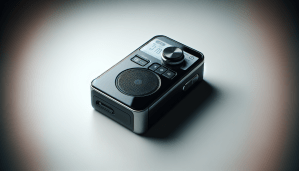
Whether you’re conducting an important interview or attending a crucial business meeting, having a reliable tool to capture every word and nuance is essential. That’s where a voice recorder comes in handy. This compact and user-friendly device allows you to effortlessly record audio with crystal-clear quality, making it a perfect companion for professionals on the go. With its simple functionality and convenient portability, a voice recorder is a must-have tool for anyone looking to document interviews and meetings with ease and efficiency.

Benefits of Using a Voice Recorder
Easily capture and preserve important information
A voice recorder is an invaluable tool for capturing and preserving important information. With its ability to record audio in real-time, you can easily document conversations, interviews, meetings, and lectures to ensure that no vital details are missed. This not only helps you stay organized but also provides you with a reliable reference for future use.
Enhance accuracy and reduce the risk of missing details
Taking notes during an interview or meeting can be challenging, and there is always the risk of missing important details. However, with a voice recorder, you can focus on actively listening to the conversation and let the recorder capture every word spoken. This enhances accuracy and minimizes the risk of missing crucial information, allowing you to refer back to the recording later for a comprehensive review.
Effortlessly transcribe interviews and meetings
Transcribing interviews and meetings can be time-consuming and tedious. However, using a voice recorder can make this task much easier. By recording the audio, you can later transcribe it at your own pace, ensuring that you capture every word accurately. This is especially beneficial for journalists and writers who need to transcribe interviews for their articles or research.
Conveniently review and verify information
Having a voice recording of a conversation or meeting gives you the convenience of reviewing and verifying information easily. Instead of relying solely on your memory or hastily written notes, you can listen to the recording as many times as needed to confirm details, quotes, and facts. This helps you maintain accuracy and provides a reliable source of information.
Ideal tool for journalists and writers
Journalists and writers can greatly benefit from using a voice recorder. Whether you are conducting interviews for news articles or gathering research for a book, a voice recorder allows you to capture the information accurately and in its original form. This not only ensures that you have a reliable record of the conversation but also allows you to focus on actively engaging with your interviewees or participants.
Different Types of Voice Recorders
Digital voice recorders
Digital voice recorders are compact and portable devices that use digital technology to record and store audio files. They offer high-quality audio capture and often come with additional features such as built-in microphones, noise reduction capabilities, and USB connectivity for easy file transfer.
Smartphone voice recording apps
Most modern smartphones come with pre-installed or downloadable voice recording apps. These apps turn your smartphone into a convenient and accessible voice recorder. While the audio quality may not be as high-end as dedicated voice recorders, smartphone apps provide a cost-effective solution for basic recording needs.
USB voice recorders
USB voice recorders are similar to digital voice recorders but offer the additional convenience of directly plugging into a computer for file transfer. They often have a sleek and compact design, making them easy to carry around. USB voice recorders are suitable for individuals who frequently need to transfer recordings to their computer for further processing or storage.
Wireless voice recorders
Wireless voice recorders usually connect to smartphones or other devices via Bluetooth or Wi-Fi. They offer the flexibility to place the recorder a distance away from the user while still being able to record clear audio. This type of recorder is ideal for situations where you need to capture audio from multiple sources or in challenging environments.
Compact cassette voice recorders
While less common in today’s digital age, compact cassette voice recorders are still utilized by some individuals for their simplicity and ease of use. These analog recorders use cassette tapes to capture audio and are often favored by individuals who prefer a tangible format for their recordings.
Factors to Consider When Choosing a Voice Recorder
Recording quality and audio formats
One of the crucial factors to consider when choosing a voice recorder is the recording quality it offers. Higher recording quality ensures clearer and more accurate audio capture. Additionally, check if the voice recorder supports audio formats that are compatible with your needs, such as MP3 or WAV.
Storage capacity and battery life
Consider the storage capacity and battery life of the voice recorder. A larger storage capacity allows you to record more audio files before needing to transfer or delete them. It is also important to ensure that the battery life is sufficient for your requirements, especially if you anticipate long recording sessions.
Ease of use and user-friendly interface
A user-friendly voice recorder with an intuitive interface makes it easier for you to navigate through settings, start and stop recordings, and access other functions. Look for a device that offers simple controls and clear instructions to save time and reduce frustration.
External microphone compatibility
If you anticipate needing to capture audio from a distance or in a noisy environment, consider a voice recorder that is compatible with an external microphone. This allows you to improve audio quality and minimize background noise by using a dedicated microphone.
Data transfer options
Consider how you will transfer the recorded files from the voice recorder to your computer or other devices. USB connectivity or wireless transfer options can simplify the process. Some voice recorders also offer cloud storage integration or memory card slots for easy file management.
Using a Voice Recorder in Interviews
Ensure proper positioning and audio clarity
When using a voice recorder for interviews, it is important to position the recorder correctly to ensure optimal audio clarity. Place the recorder close to the interviewee, preferably within a few feet, to capture clear and distinct audio. Experiment with microphone sensitivity settings to find the best configuration for capturing the desired sound quality.
Inform and gain consent from participants
Before starting a recorded interview, it is crucial to inform the participants that the conversation will be recorded. Obtain their consent to ensure compliance with ethical guidelines and privacy regulations. Clearly explain the purpose of the recording and reassure the interviewees of the confidentiality of the information shared.
Capture ambient noise and background context
A voice recorder can capture not only the interviewee’s voice but also the ambient noise and background context. This can provide valuable additional information and enhance the overall understanding of the conversation. However, be mindful of excessive background noise that may hinder the clarity of the recording.
Take notes while recording
While a voice recorder can capture audio accurately, it is still beneficial to take notes during an interview. Jot down key points, important quotes, or any other details that you may need to refer to later. This helps you create a comprehensive summary or transcript and facilitates easier navigation during playback.
Ask clear and concise questions
To ensure that you capture the most relevant information during an interview, ask clear and concise questions. Avoid long, convoluted questions that may confuse the interviewee or dilute their responses. A well-prepared and structured interview will result in a more effective and valuable recording.
Making the Most of Voice Recorders in Meetings
Position the voice recorder effectively
When using a voice recorder in meetings, proper positioning is crucial to capture clear audio. Place the voice recorder near the center of the meeting table, ensuring that it is equidistant from all participants. This helps in picking up voices evenly and reduces the risk of one person’s voice overpowering others.
Clarify meeting objectives and agenda
Before starting the meeting, make sure to clarify the objectives and agenda with all participants. This ensures that everyone is aligned and focused on the same goals. A clear agenda also helps you label and organize the recording for easy reference later.
Record and label different speakers
During a meeting, it is essential to record and label different speakers to maintain clarity and organization. If possible, note the names or roles of participants at the beginning of the meeting. This will help you quickly identify and distinguish voices when reviewing the recording.
Review and share recordings with attendees
After the meeting, take the time to review the recording to ensure accurate insight and understanding of the discussion. If appropriate, share the recording with attendees, so they have the opportunity to revisit specific points and clarify any misunderstandings. This promotes transparency, accountability, and fosters a productive work environment.
Focus on active listening rather than note-taking
Using a voice recorder in meetings allows you to focus on actively listening and engaging in the conversation rather than constantly taking notes. This helps you participate more fully in the discussion and promotes better understanding and collaboration. Instead of scrambling to keep up with note-taking, you can rely on the recording for detailed review and follow-up.
Transcribing Recordings: Tips and Techniques
Choose the appropriate software or service
Transcribing recordings can be a time-consuming task, but using appropriate transcription software or services can greatly simplify the process. Look for software that offers automatic speech recognition (ASR) technology, which can convert the recorded audio into text. Alternatively, consider outsourcing the transcription to professional transcriptionists for accurate and efficient results.
Use headphones for accurate transcription
When transcribing recordings, it is recommended to use headphones. This helps you accurately hear and differentiate between various speakers and reduces the risk of misinterpreting the audio. Using headphones also allows you to focus and concentrate on the transcription, eliminating potential distractions.
Break the recording into smaller sections
To make transcribing more manageable, break the recording into smaller sections or segments. This allows you to focus on transcribing a specific portion at a time, making the task less overwhelming. It also helps in organizing and labeling the transcriptions for easy reference later.
Edit the transcription for clarity
Transcriptions generated by software or even human transcribers may require editing for clarity and coherence. Review the transcription carefully, correcting any typos, inaccuracies, or structural issues. Ensuring that the transcriptions are accurate and coherent enhances their usability and effectiveness.
Proofread and verify against the original recording
After completing the transcription, proofread the text while listening to the original recording. This step helps you catch any errors or discrepancies and ensures that the transcriptions accurately reflect what was said. Verifying transcriptions against the original recording is essential for maintaining accuracy and reliability.
Best Practices for Using Voice Recorders
Ensure the device is fully charged or has sufficient battery
Before using a voice recorder, always make sure that the device is fully charged or has sufficient battery life. This prevents the recording from abruptly stopping in the middle of an important conversation and eliminates potential frustration. Regularly check the battery level and keep a charger or spare batteries on hand.
Test the recording settings and audio quality beforehand
To avoid any unexpected issues, it is advisable to test the recording settings and audio quality of the voice recorder before important interviews or meetings. Familiarize yourself with the device’s controls and adjust the settings according to the desired requirements. Doing so ensures that you are well-prepared and confident in the device’s functionality.
Back up recorded files regularly
Make it a habit to regularly back up your recorded files to prevent accidental loss or corruption. Transfer the files to your computer, cloud storage, or an external hard drive for safekeeping. This practice also helps free up storage space on the voice recorder, allowing you to continue recording without interruptions.
Respect privacy regulations and obtain consent
When using a voice recorder, always be mindful of privacy regulations and obtain proper consent from participants if required. Familiarize yourself with the laws relating to recording conversations in your jurisdiction and ensure compliance. Respecting privacy and obtaining consent not only keeps you legally protected but also maintains ethical standards.
Store and organize recordings for easy retrieval
To maximize the benefits of using a voice recorder, develop a system for storing and organizing your recordings. Create folders or categories based on topics, dates, or individuals to facilitate easy retrieval when needed. This saves you valuable time and effort when searching for specific recordings in the future.
Tips for Overcoming Common Voice Recording Challenges
Dealing with background noise and interruptions
Background noise and interruptions can pose challenges in obtaining clear and high-quality audio recordings. Minimize background noise by choosing a suitable recording location and using external microphones or accessories that reduce noise interference. If interruptions occur, kindly ask for a moment to pause the recording or find a quieter environment.
Managing storage space limitations
Voice recorders often come with limited storage capacity, which can pose a challenge when handling long recordings or large quantities of files. To manage storage space effectively, regularly transfer files to your computer, delete unnecessary recordings, or consider investing in a voice recorder with expandable storage options.
Optimizing recording settings for different environments
Different environments may require adjusting the recording settings of your voice recorder for optimal results. Experiment with microphone sensitivity, noise reduction, or other available settings to adapt to various environments. This ensures that you capture clear audio regardless of whether you are in a quiet room or a noisy outdoor setting.
Improving microphone sensitivity and audio clarity
To ensure the best audio quality, familiarize yourself with your voice recorder’s microphone sensitivity settings. Adjusting the sensitivity according to the situation helps prevent distorted or muffled audio. Additionally, consider using external microphones or accessories to improve microphone sensitivity and enhance overall audio clarity.
Minimizing external interference
External interference can negatively impact the quality of your voice recordings. To minimize these interferences, turn off or distance yourself from devices that may emit electromagnetic signals, such as mobile phones or electronic devices. Be aware of potential sources of interference and take precautions accordingly to improve recording quality.
Using Voice Recorders for Personal and Professional Purposes
Recording lectures and presentations
Voice recorders are excellent tools for students or professionals who want to capture and review lectures or presentations. By recording audio during these sessions, you can focus on actively listening and engage with the content. Later, you can revisit the recording to review or reinforce your understanding of the material.
Documenting personal thoughts and ideas
Voice recorders offer a convenient way to document personal thoughts and ideas. Instead of relying on pen and paper, you can simply speak your thoughts into the recorder, capturing your ideas in real-time. Voice recordings provide a more authentic representation of your thoughts and can be revisited for further reflection or inspiration.
Capturing musical performances and rehearsals
Musicians can benefit from using voice recorders to capture their musical performances or rehearsals. By recording these sessions, musicians can analyze their playing, identify areas for improvement, and monitor their progress over time. Voice recorders provide a valuable tool for self-evaluation and enhancing musical skills.
Recording voice memos and reminders
Voice recorders are perfect for capturing quick voice memos and reminders on the go. Whether it’s a task you need to remember or an idea that pops into your head unexpectedly, voice recording allows you to capture these thoughts immediately. This eliminates the risk of forgetting important information and helps you stay organized.
Creating audio logs and journals
Some individuals find it more natural and expressive to keep audio logs or journals instead of written ones. Voice recorders offer a means to create personalized audio diaries, documenting daily experiences, thoughts, and emotions. Listening to these recordings at a later date can evoke memories and provide an intimate glimpse into past moments.
Legal and Ethical Considerations when Using Voice Recorders
Understanding local laws and regulations
When using voice recorders, it is important to be informed about local laws and regulations governing the recording of conversations. These laws vary from jurisdiction to jurisdiction, and ignorance of them is not a valid defense. Familiarize yourself with the legal requirements and restrictions to ensure compliance and avoid any potential legal consequences.
Obtaining informed consent from participants
Respecting the privacy and consent of individuals involved in recorded conversations is essential. In most cases, it is advisable to obtain informed consent from all participants before beginning to record. This ensures that all parties are aware of and agree to the recording, promoting transparency and ethical behavior.
Respecting privacy and confidentiality
When using a voice recorder, always respect the privacy and confidentiality of the individuals involved. Do not use or disclose any recorded information or personal details without proper authorization or a legitimate need. Safeguarding the privacy of participants is crucial in maintaining trust and upholding ethical standards.
Properly handling and storing sensitive recordings
If your voice recordings contain sensitive or confidential information, it is essential to handle and store them with care. Take appropriate measures to ensure that the recordings are secure and protected from unauthorized access. Encrypting the files, using strong passwords, or storing them on encrypted devices are some ways to enhance the security of sensitive recordings.
Adhering to ethical journalism practices
For journalists using voice recorders, it is paramount to adhere to ethical practices. Respect the interests and rights of interviewees, obtain proper consent for recording and use, and maintain the accuracy and integrity of the information recorded. Journalistic integrity plays a vital role in building trust and delivering reliable and unbiased news.