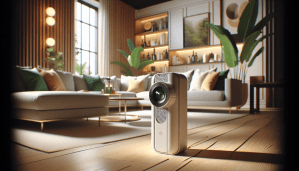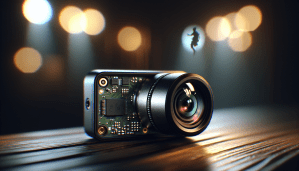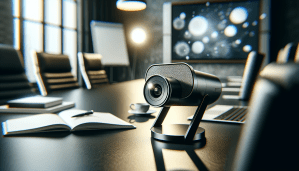

In this Ultimate Guide to Using Covert Cameras, you will discover a wealth of valuable information on how to effectively utilize these discreet devices. Whether you want to enhance your home security, gather evidence, or simply satisfy your curiosity, this guide will provide you with essential tips and techniques. From selecting the right type of covert camera to the best placement strategies, you will gain valuable insights that will help you maximize the benefits of this advanced surveillance technology. Get ready to uncover the world of covert cameras and unlock their full potential in safeguarding your surroundings effortlessly.

Understanding Covert Cameras
What are covert cameras?
Covert cameras, also known as hidden or spy cameras, are surveillance devices designed to be discreet and concealed. These cameras are designed to blend seamlessly into their surroundings, making them difficult to detect. They can be disguised as everyday objects like clocks, pens, or even plants, allowing them to covertly capture video footage without raising suspicion.
Importance and benefits of covert cameras
Covert cameras play a crucial role in enhancing security and surveillance measures. They provide a valuable tool for monitoring and collecting evidence in various environments, including homes, offices, and retail establishments. The benefits of using covert cameras include:
-
Prevention of criminal activities: Covert cameras act as a deterrent and can discourage potential criminals from engaging in illegal activities, as they are often unaware of being under surveillance.
-
Gathering evidence: Covert cameras capture video footage that can be used as evidence in legal proceedings, helping to identify criminals, resolve disputes, or provide a factual account of events.
-
Monitoring safety and well-being: Covert cameras can be used to monitor the safety of individuals, especially in caregiving or childcare situations, ensuring their well-being and providing peace of mind to loved ones.
-
Identifying security vulnerabilities: Covert cameras can help identify security weaknesses in a property or premises, allowing for better security planning and implementation.
Potential legal and ethical considerations
While covert cameras offer numerous benefits, it is essential to consider the legal and ethical implications of their use. Some considerations include:
-
Privacy laws and regulations: It is crucial to comply with local privacy laws and regulations when using covert cameras to ensure that the privacy rights of individuals are not violated.
-
Informed consent: In certain situations, such as in public spaces or shared areas, it may not be necessary to obtain consent. However, when using covert cameras in private spaces or areas where privacy is expected, it is essential to inform individuals of the camera’s presence.
-
Responsible and ethical use: Covert cameras should be used responsibly and ethically to protect the privacy and dignity of individuals. They should not be used for voyeuristic or malicious purposes.
Choosing the Right Covert Camera
Types of covert cameras available
There is a variety of covert cameras available on the market, each with different features and capabilities. Some common types include:
-
Wireless cameras: These cameras transmit video and audio wirelessly, making them easier to install and conceal. They are often battery-powered and can be placed discreetly without the need for extensive wiring.
-
Wired cameras: Wired covert cameras require a physical connection to a power source and recording device. While they may be slightly more challenging to install, they offer a more reliable and consistent connection.
-
Body-worn cameras: These cameras are designed to be worn on the body, such as on clothing or accessories, allowing for covert recording of personal experiences or interactions.
-
IP cameras: IP cameras connect to the internet and can be accessed remotely, providing real-time monitoring and recording capabilities. They offer flexibility and convenience but may require a stable internet connection.
Factors to consider when selecting a covert camera
When choosing a covert camera, several factors should be taken into consideration:
-
Intended use: Determine the specific purpose of the covert camera and where it will be installed to choose the most suitable type and features.
-
Image quality: Look for cameras with high-resolution capabilities to ensure clear and detailed video footage.
-
Low-light performance: Consider cameras with low-light or night vision capabilities if the surveillance area has limited lighting conditions.
-
Power source: Evaluate power options, such as battery-powered or wired cameras, based on the available infrastructure and desired recording duration.
Comparison of wired and wireless covert cameras
Both wired and wireless covert cameras have their advantages and disadvantages. Wired cameras offer a more stable connection and do not rely on battery power, ensuring uninterrupted recording. However, their installation can be more complex due to the need for wiring and physical connections.
Wireless cameras, on the other hand, offer more flexibility in terms of placement and installation. They can be easily moved and concealed without the need for extensive wiring. However, wireless cameras rely on batteries, which must be regularly checked and replaced to ensure continuous operation.
The choice between wired and wireless covert cameras ultimately depends on the specific requirements of the surveillance situation and the available infrastructure.
Placement and Positioning of Covert Cameras
Determining the desired coverage area
Before installing covert cameras, it is important to determine the desired coverage area. This involves identifying the specific areas that require monitoring and surveillance. Consider factors such as entrances, valuable assets, high traffic areas, and blind spots to create an effective coverage plan.
Identifying strategic locations for covert cameras
Once the coverage area is determined, identifying strategic locations for covert cameras is crucial. Consider the following factors when deciding camera placement:
-
Field of view: Ensure that the camera’s field of view covers the target area adequately. Consider the camera’s viewing angle, lens type, and the distance from the target area.
-
Disguise and concealment: Covert cameras should be placed inconspicuously to avoid detection. Consider disguising them as everyday objects or placing them in areas where they blend seamlessly with the surroundings.
-
Accessibility and tamper-proofing: Place covert cameras in locations that are accessible for maintenance and retrieval of footage. Additionally, ensure they are installed securely and tamper-proof to avoid interference or sabotage.
Camera concealment techniques
To maximize the effectiveness of covert cameras, various concealment techniques can be employed. These techniques include:
-
Disguising as everyday objects: Covert cameras can be concealed within common objects such as clocks, picture frames, or smoke detectors, making them blend seamlessly into the environment.
-
Integration with existing infrastructure: Covert cameras can be hidden within existing infrastructure, such as light fixtures, air vents, or electrical outlets, enabling them to go unnoticed.
-
Customized camouflage: In some cases, it may be necessary to customize the appearance of covert cameras to match specific environments. For example, in outdoor settings, cameras can be disguised as rocks or tree branches.
Careful consideration of camera placement and effective concealment techniques can greatly enhance the surveillance capabilities of covert cameras while minimizing the risk of detection.
Covert Camera Features and Specifications
Resolution and video quality
When choosing covert cameras, resolution and video quality are essential factors to consider. Higher resolution cameras produce clearer and more detailed video footage, making it easier to identify individuals or objects in the recorded images. Look for cameras with resolutions of at least 1080p or higher for optimal clarity.
Low-light and night vision capabilities
Covert cameras equipped with low-light or night vision capabilities are essential for areas with limited lighting conditions. These cameras utilize specialized sensors or infrared technology to capture video footage in environments with minimal illumination, ensuring that clear images can be obtained even in the dark.
Motion detection and continuous recording
Motion detection is a valuable feature in covert cameras as it conserves storage space and facilitates targeted recording. Cameras equipped with motion detection sensors can automatically start recording when motion is detected within their field of view, eliminating the need for continuous recording during periods of inactivity.
However, in situations where continuous recording is necessary, ensure that the covert camera is capable of recording continuously without interruption. This is particularly important for scenarios where capturing every moment is crucial, such as during surveillance of high-risk areas or ongoing investigations.
Audio capturing capabilities
Some covert cameras also offer audio capturing capabilities, allowing for the recording of sound in addition to video footage. This feature can be beneficial in situations where audio evidence is crucial, such as in investigations or cases involving verbal interactions.
However, it is essential to familiarize yourself with local regulations regarding the recording of audio to ensure compliance with privacy laws and avoid potential legal issues.
Remote access and monitoring
Covert cameras equipped with remote access and monitoring capabilities provide flexibility and convenience. These cameras allow users to access live video feeds, review recorded footage, and adjust camera settings remotely via a computer, smartphone, or tablet. Remote access is particularly advantageous for monitoring properties or areas that may be inaccessible or require real-time monitoring from a remote location.
Setting Up Covert Cameras
Power source options for covert cameras
The power source for covert cameras depends on the specific type and model chosen. Wireless covert cameras typically use internal batteries, either rechargeable or replaceable, for power. It is important to select cameras with long battery life or consider supplemental power options, such as solar panels or power banks, to ensure continuous operation.
Wired covert cameras require a persistent power source, such as an electrical outlet or a dedicated power supply. This type of camera eliminates the need for battery replacements but may require professional installation due to the wiring involved.
Installation steps for wired and wireless covert cameras
The installation steps for wired and wireless covert cameras differ due to their power requirements and connectivity methods:
Wired cameras:
-
Determine the optimal camera placement based on the coverage area and strategic locations identified earlier.
-
Install necessary wiring, including power cables and video cables, connecting the camera to the recording device or monitoring system.
-
Securely mount the camera in the desired location, ensuring it is properly angled and focused on the target area.
-
Connect the camera to the power source and recording device, following the manufacturer’s instructions.
Wireless cameras:
-
Identify the ideal camera placement based on the coverage area and strategic locations determined previously.
-
Install any necessary mounting brackets or fixtures to secure the camera in the desired location.
-
Power on the wireless camera and follow the manufacturer’s instructions to connect it to a recording device, monitoring system, or Wi-Fi network.
-
Test the camera’s connectivity and adjust the angle and focus as needed.
Optimizing camera angles and focus
To achieve optimal surveillance results, camera angles and focus should be carefully considered during installation. Ensure that the camera is positioned to capture the intended coverage area effectively, eliminating any blind spots or unwanted obstructions. Adjust the camera’s angle and focus to ensure a clear and well-framed view of the target area. Regularly check and adjust camera positioning to account for any changes in the surveillance environment.
Configuring and Managing Covert Camera Systems
Accessing and configuring camera settings
Covert cameras often come with accompanying software or mobile applications that allow users to access and configure various camera settings. To access and configure camera settings:
-
Install the necessary software or mobile application provided by the camera manufacturer.
-
Connect to the camera using the provided instructions or by scanning a QR code on the camera.
-
Once connected, access the camera’s settings interface, which may include options such as resolution, motion detection sensitivity, recording modes, and network connectivity.
-
Adjust the settings according to your preferences and the specific surveillance requirements.
Connecting covert cameras to a network
Covert cameras equipped with network connectivity options, such as Wi-Fi or Ethernet, can be connected to a local network or the internet, enabling remote access and monitoring. To connect a covert camera to a network:
-
Ensure that the camera is within range of the network’s Wi-Fi signal or connected to an Ethernet cable.
-
Access the camera’s settings interface and navigate to the network connectivity section.
-
Follow the on-screen instructions to search for available networks or manually enter the network credentials.
-
Once connected, verify the network connection and adjust any additional network settings, such as static IP addresses or port forwarding, if necessary.
Setting up cloud storage or local storage options
Covert cameras often offer various storage options for recorded footage, including cloud storage and local storage solutions. These options allow for secure storage and retrieval of video footage. To set up storage options:
Cloud storage:
-
Sign up for a cloud storage service compatible with the covert camera or use the manufacturer’s recommended cloud storage solution.
-
Access the camera’s settings interface and navigate to the storage options section.
-
Enter the necessary cloud storage credentials or follow the on-screen instructions to link the camera to the cloud storage account.
-
Configure storage settings, such as recording resolutions, duration, or motion-triggered recording, based on your preferences.
Local storage:
-
Determine the preferred local storage option, such as a microSD card or a dedicated Network Video Recorder (NVR).
-
Access the camera’s settings interface and navigate to the storage options section.
-
Install the microSD card or connect the camera to the NVR according to the manufacturer’s instructions.
-
Adjust storage settings, such as recording resolutions and retention periods, to suit your requirements.
Managing multiple covert cameras
Managing multiple covert cameras can be a complex task, but it allows for more comprehensive surveillance coverage. To effectively manage multiple covert cameras:
-
Ensure that each camera is properly installed, configured, and connected to the network.
-
Utilize multi-camera management software or applications provided by the camera manufacturer to monitor and control multiple cameras simultaneously.
-
Group or categorize cameras based on their location or purpose to easily access and control specific sets of cameras.
-
Regularly review and adjust camera settings to maintain consistent performance and surveillance coverage.
Monitoring and Recording with Covert Cameras
Live video monitoring on various devices
Covert cameras equipped with remote access capabilities allow for live video monitoring from various devices. With the appropriate camera software or mobile application installed, users can access live video feeds on their:
- Computers or laptops
- Smartphones or tablets
- Internet-connected televisions or monitors
Ensure that the devices used for live video monitoring have a stable internet connection and that the camera software or application is properly configured to access the cameras remotely.
Ensuring footage storage and retrieval
Covert cameras capture video footage that should be securely stored and easily retrievable when needed. When setting up storage options (discussed earlier), consider the following practices to ensure effective footage storage and retrieval:
-
Regular backups: Periodically back up recorded footage to external storage devices or cloud-based storage solutions to prevent data loss.
-
Retention periods: Establish appropriate retention periods for recorded footage, considering legal requirements and storage capacity. Regularly review and delete unnecessary footage to optimize storage space.
-
Indexing and labeling: Implement a clear and organized system for indexing and labeling recorded footage to facilitate easy retrieval when required. Adding timestamps, camera locations, or event descriptions can enhance the efficiency of the retrieval process.
-
Testing and maintenance: Regularly test the storage systems and retrieval processes to ensure they are functioning correctly. Perform routine maintenance tasks such as verifying storage integrity or replacing faulty storage devices.
Recording options: continuous, scheduled, or event-based
Covert cameras offer various recording options to suit different surveillance requirements. The available recording options typically include:
-
Continuous recording: Covert cameras with continuous recording capabilities capture video footage continuously until the storage capacity is reached or until manually stopped. This option ensures that every moment is recorded, providing comprehensive surveillance coverage.
-
Scheduled recording: Scheduled recording allows users to define specific time periods during which the cameras will record. This is useful for optimizing storage space by focusing recording only during periods of higher activity or vulnerability.
-
Event-based recording: Event-based recording triggers the cameras to start recording when specific events occur, such as motion detection or sound activation. This option conserves storage space by recording only when necessary and capturing critical moments.
Select the recording option that best aligns with the surveillance goals, resource availability, and specific monitoring needs.
Reviewing and exporting recorded footage
The ability to review and export recorded footage is crucial for investigations, evidence gathering, or documentation purposes. To review and export recorded footage from covert cameras:
-
Access the camera’s software or application on the device used for monitoring.
-
Navigate to the recorded footage or playback section within the software or application.
-
Search for specific events or time periods using indexing, labeling, or timestamps to locate the desired footage.
-
Once located, view the footage and use the software’s or application’s tools to export or save the footage in the desired format or storage location.
Maintaining Covert Cameras
Cleaning and protecting covert cameras
Regular maintenance and cleaning of covert cameras are essential to ensure their optimal performance and longevity. Follow these maintenance practices:
-
Dust and dirt removal: Clean the camera and its housing regularly with a soft, lint-free cloth to remove any dust or dirt that may accumulate. Use compressed air, if necessary, to clean hard-to-reach areas or camera lenses.
-
Lens cleaning: Use a lens cleaning solution and a microfiber cloth to gently clean the camera lens. Avoid using abrasive materials that may scratch or damage the lens.
-
Weatherproofing: If the covert cameras are used outdoors, ensure that they are adequately weatherproofed. Protect the cameras from rain, extreme temperatures, or direct sunlight by using appropriate camera housings or covers.
-
Preventing tampering: Regularly inspect the covert cameras for signs of tampering or possible damage. Securely mount the cameras to minimize the risk of interference or vandalism.
Checking and replacing batteries or power sources
For wireless covert cameras powered by batteries, checking and replacing batteries are essential to ensure uninterrupted operation. Follow these battery maintenance practices:
-
Battery status monitoring: Regularly check the battery status of wireless cameras through the camera’s software or application. Ensure that battery levels remain sufficient for continuous operation.
-
Battery replacement: Replace batteries as needed, following the manufacturer’s recommendations. Consider using rechargeable batteries for cost-effectiveness and environmental sustainability.
For wired covert cameras, ensure that the power sources remain stable and functional. Regularly inspect cables and connections for any signs of damage or wear.
Performing firmware updates
Manufacturers occasionally release firmware updates for their covert cameras to enhance performance, introduce new features, or address any security vulnerabilities. Firmware updates should be regularly performed to ensure optimal camera functionality and maintain compatibility with other devices or software. To perform firmware updates:
-
Check the manufacturer’s website or the camera’s software for available firmware updates.
-
Follow the manufacturer’s instructions for downloading the firmware update and transferring it to the camera.
-
Once the update is transferred, initiate the firmware update process through the camera’s software or application.
-
Allow the camera to complete the firmware update without interruption, ensuring that it is connected to a stable power source or has sufficient battery life.
Regularly checking for firmware updates and keeping the covert cameras up to date is crucial for maximizing their functionality and ensuring compatibility with the latest technology advancements.

Maximizing Covert Camera Effectiveness
Integrating covert cameras with existing security systems
To maximize the effectiveness of covert cameras, integration with existing security systems can provide a comprehensive surveillance approach. Consider these integration options:
-
Coordinated monitoring: Integrate the feed from the covert cameras with existing CCTV systems, allowing for centralized monitoring and control of all surveillance cameras.
-
Alarm system integration: Coordinate covert cameras with alarm systems to trigger recording or alerts when specific security events occur, enhancing the overall security response.
-
Access control integration: Integrate covert cameras with access control systems to provide video verification of individuals entering restricted areas or to identify potential security breaches.
By integrating covert cameras with existing security systems, users can strengthen their overall security posture and benefit from a more streamlined and cohesive surveillance approach.
Using covert cameras for specific applications (home, office, retail, etc.)
Covert cameras can be effectively utilized in various applications to enhance security and surveillance measures. Consider the following specific applications:
-
Home security: Covert cameras can be used to monitor entrances, living areas, or outdoor spaces, providing homeowners with peace of mind and comprehensive surveillance coverage.
-
Office surveillance: In office environments, covert cameras can be strategically placed to monitor sensitive areas, employee activities, or to deter theft or misconduct.
-
Retail loss prevention: Covert cameras can be used in retail environments to monitor areas prone to theft, to capture evidence of shoplifting, or to identify suspicious behaviors.
-
Caregiving or childcare monitoring: Covert cameras can be used to monitor the care provided to children, the elderly, or those with special needs, ensuring their safety and well-being.
By tailoring covert camera usage to specific applications, users can optimize their surveillance efforts and address the unique security concerns of each environment.
Implementing additional security measures alongside covert cameras
While covert cameras are valuable tools for surveillance, they are most effective when used in conjunction with other security measures. Consider implementing these additional security measures:
-
Physical security: Bolster the effectiveness of covert cameras by ensuring physical security measures such as locks, access control systems, or alarms are in place, minimizing the risk of security breaches.
-
Security lighting: Install adequate lighting around surveillance areas to enhance visibility and reduce blind spots, making covert cameras more effective in capturing clear and identifiable footage.
-
Alarm systems: Integrate covert cameras with alarm systems to create a more robust security response, combining video evidence with audible alarms or notification systems.
-
Security personnel: Combine covert cameras with the presence of trained security personnel to provide real-time monitoring, immediate response to security threats, and additional deterrence.
Combining covert cameras with complementary security measures provides a comprehensive and layered approach to security, minimizing vulnerabilities and maximizing the effectiveness of surveillance efforts.
Regular evaluation and adjustment of covert camera system
Regular evaluation and adjustment of the covert camera system are necessary to maintain its optimal performance. Consider the following practices:
-
Monitoring effectiveness: Regularly review the captured footage and evaluate the surveillance system’s coverage and performance. Address any blind spots, technical issues, or areas of improvement.
-
Equipment maintenance: Perform routine maintenance tasks such as cleaning, battery replacement, firmware updates, or equipment checks.
-
Policy and procedure updates: Revisit policies and procedures for the use of covert cameras, ensuring they align with current legal, ethical, and privacy considerations.
-
Training and education: Provide ongoing training to individuals responsible for managing the covert camera system. Ensure they are aware of the system’s capabilities, protocols, and any updates or changes.
By regularly evaluating and adjusting the covert camera system, users can adapt to changing security needs, identify potential weaknesses, and maintain an effective surveillance solution.
Legal and Ethical Considerations
Understanding privacy laws and regulations
When using covert cameras, it is essential to understand and comply with privacy laws and regulations specific to your jurisdiction. Some general considerations include:
-
Consent requirements: In many jurisdictions, consent is required to record video and audio in certain situations, especially in private spaces or areas where individuals have a reasonable expectation of privacy.
-
Notice of surveillance: When covert cameras are used, it is generally good practice to provide notice to individuals to inform them of the surveillance. This can be achieved through signs or visible indications that surveillance is in operation.
-
Placement considerations: Covert cameras should be positioned to minimize the capture of private or sensitive areas, such as bathrooms or changing rooms.
Consult legal professionals or regulatory bodies to ensure compliance with privacy laws and regulations specific to your location.
Informing individuals about covert camera presence
In situations where covert cameras are used, it is generally recommended to inform individuals about their presence. This promotes transparency and helps establish trust. Inform individuals through visible signage or notices that covert cameras are in operation. Such notice should convey the purpose of surveillance and provide contact information for individuals to make inquiries or lodge complaints if necessary.
Transparency about the use of covert cameras fosters a respectful and accountable environment while minimizing the potential impact on privacy.
Ensuring responsible and ethical use of covert cameras
The responsible and ethical use of covert cameras is essential for protecting the rights and privacy of individuals. Consider the following guidelines:
-
Use covert cameras for legitimate purposes: Covert cameras should only be used for lawful and justifiable reasons, such as security, safety, or the prevention and detection of criminal activities.
-
Avoid unauthorized surveillance: Covert cameras should not be used to invade the privacy of individuals without legal authority or justifiable cause.
-
Secure and protect recorded footage: Ensure that recorded footage is stored securely and accessed only by authorized individuals. Protecting the confidentiality and integrity of recorded footage is essential to maintain trust and prevent misuse.
-
Regularly review policies and procedures: Continually evaluate and update the policies and procedures governing the use of covert cameras, ensuring they align with legal requirements, industry best practices, and evolving ethical considerations.
Responsible and ethical use of covert cameras promotes trust, accountability, and the protection of individual rights and privacy.
In conclusion, covert cameras offer valuable surveillance capabilities, enhancing security and providing peace of mind in various environments. By understanding the different types, factors to consider, and appropriate placement techniques, users can choose and install covert cameras to effectively monitor and protect their properties. Regular maintenance, proper configuration, and integration with existing security systems further maximize the effectiveness of covert cameras. However, it is crucial to navigate the legal and ethical considerations surrounding the use of covert cameras to ensure responsible and ethical surveillance practices. With the ultimate goal of safety and security in mind, covert cameras can serve as powerful tools when used responsibly and in accordance with applicable laws and regulations.