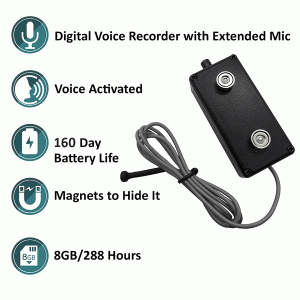

Whether you’re a curious resident or a law-abiding citizen, it’s essential to have a good understanding of the wiretapping laws in New York. With the growing popularity of spy cameras and audio recording devices, it’s crucial to be aware of the legal boundaries surrounding their use. In this article, we will dive into the depths of New York’s wiretapping laws, shedding light on the regulations pertaining to spy cameras and audio recording devices, ensuring you are well-informed and can navigate this topic with ease.
Introduction
Overview of wiretapping laws in New York
Wiretapping laws in New York regulate the interception of communications and aim to protect individuals’ privacy rights. These laws outline the conditions under which wiretapping, the use of spy cameras, and audio recording devices are permitted or prohibited. Understanding these laws is crucial to ensure compliance and to avoid facing legal consequences.
Importance of understanding wiretapping laws
Understanding wiretapping laws is important for both individuals and businesses. By being aware of these laws, you can protect your privacy, prevent unlawful surveillance, and ensure you are not infringing upon the rights of others. Additionally, businesses must take into account wiretapping laws when implementing surveillance measures in the workplace to strike a balance between privacy rights and legitimate interests.
Wiretapping Laws in New York
Definition of wiretapping
Wiretapping refers to the act of intercepting and recording telephonic or electronic communications without the consent of the parties involved. In New York, it is illegal to engage in wiretapping unless certain conditions, such as obtaining a court order or having consent from one party, are met.
Prohibition on unauthorized interception of communications
New York law strictly prohibits unauthorized interception of communications. This means that individuals cannot secretly listen in on or record conversations between others without their knowledge and consent. Engaging in such activities is considered a violation of privacy rights and is subject to legal penalties.
Wiretapping with consent
New York follows a “one-party consent” rule, which means that wiretapping is allowed if at least one party involved in the conversation consents to being recorded. In these cases, individuals are able to legally record their own conversations without the need for the permission of other participants. However, it is important to note that consent must be freely given and not coerced.
Exemptions in certain circumstances
There are exceptions to wiretapping laws in certain circumstances, such as when law enforcement agencies obtain a court-issued warrant to intercept communications during criminal investigations. However, these exceptions are strictly regulated and require a legitimate and justified reason for the interception.
Penalties for violations
Violating wiretapping laws in New York can result in significant penalties. Individuals who illegally intercept communications may face civil lawsuits and criminal charges, which can lead to fines, imprisonment, or both. It is essential to adhere to these laws to avoid legal repercussions.
Spy Cameras in New York
Laws pertaining to the use of spy cameras
New York has laws in place that control the use of spy cameras or hidden surveillance devices. These laws aim to protect the privacy of individuals and prevent unauthorized recording of their activities.
Prohibition on recording without consent
In general, it is unlawful to record someone without their consent in a private setting where they have a reasonable expectation of privacy. This includes areas such as bathrooms, changing rooms, and bedrooms. Recording individuals without their knowledge and consent in these private spaces is considered an invasion of privacy.
Exceptions for lawful purposes
There are some exceptions to the prohibition on recording without consent. For instance, law enforcement agencies may use hidden surveillance devices for authorized investigations with the appropriate legal authority. Additionally, businesses may use surveillance for security purposes in public areas where individuals do not have a reasonable expectation of privacy.
Penalties for illegal use of spy cameras
Using spy cameras illegally can have severe consequences. Individuals who violate the laws regarding the use of these devices may face civil litigation and even criminal charges. It is important to understand and comply with the regulations to respect others’ privacy and avoid legal trouble.
Audio Recording Devices
Regulations regarding audio recording devices
The use of audio recording devices is also regulated in New York. These regulations aim to protect the privacy of individuals and ensure that conversations are not recorded without proper consent.
Recording conversations without consent
Recording conversations without the consent of all parties involved is generally prohibited in New York. This means that you cannot secretly record conversations unless you have obtained permission from all individuals being recorded.
Exceptions for authorized parties
Certain authorized individuals, such as law enforcement officers conducting investigations, are allowed to record conversations without explicit consent. However, these exceptions are subject to strict guidelines and typically require a legitimate basis for the recording.
Consequences for unauthorized use of audio recording devices
Unlawful use of audio recording devices can result in legal repercussions. Violators may face civil lawsuits and criminal charges, which can lead to penalties such as fines, imprisonment, or both. It is essential to respect privacy rights and comply with the regulations surrounding the use of audio recording devices.
Surveillance in Public Places
Expectation of privacy in public spaces
In general, individuals have a lower expectation of privacy in public places compared to private spaces. This expectation is based on the idea that individuals voluntarily expose themselves to public view and cannot reasonably expect complete privacy in these areas.
Video monitoring in public areas
Surveillance cameras are commonly used in public places such as streets, parks, and government buildings to enhance public safety and deter crime. However, the use of these cameras must adhere to legal limitations and not infringe upon individuals’ rights.
Public safety measures vs. invasion of privacy
While public safety measures are crucial, it is important to strike a balance between ensuring security and safeguarding privacy rights. Surveillance in public places should be conducted in a way that minimizes unnecessary intrusion and respects individuals’ right to privacy.
Legal limitations on surveillance in public places
Surveillance in public places must comply with a range of legal limitations. These include obtaining necessary permits, not recording private areas within public spaces, and ensuring the collected data is used for legitimate purposes only. Violations of these limitations can result in legal consequences.
Wiretapping Laws and Workplace
Employee monitoring in the workplace
Employers have the right to monitor their employees’ activities in the workplace to ensure productivity, prevent misconduct, and maintain security. However, such monitoring must be conducted within legal boundaries to protect employees’ privacy rights.
Employee consent and notification
To comply with wiretapping laws in New York, employers are generally required to obtain consent from employees before implementing monitoring measures. Additionally, employers must provide clear notification to employees about the nature and extent of the monitoring.
Balancing privacy rights and employer interests
Wiretapping laws aim to strike a balance between employees’ privacy rights and the legitimate interests of employers. While employers have the right to monitor workplace activities, they must also respect privacy rights and ensure that monitoring is conducted in a reasonable and non-intrusive manner.
Legal requirements for workplace wiretapping
Employers must adhere to specific legal requirements when conducting wiretapping in the workplace. These may include obtaining employee consent, providing clear notification, limiting the scope of monitoring, and ensuring compliance with other relevant laws and regulations.
Electronic Communications Privacy Act
Overview of the federal law
The Electronic Communications Privacy Act (ECPA) is a federal law that sets forth regulations regarding the interception and privacy of electronic communications. It establishes privacy protections for electronic communications like emails, telephone calls, and digital messages.
Interaction with New York wiretapping laws
New York wiretapping laws intersect with the provisions of the ECPA, which provides additional protections for electronic communications. While New York has its own laws, the ECPA offers federal protections that individuals and businesses should be aware of when conducting wiretapping or surveillance activities.
Protections provided under ECPA
The ECPA provides various protections for electronic communications, including requirements for search warrants, restrictions on unauthorized interception, and provisions for the disclosure of stored electronic communications. Familiarizing yourself with the ECPA can help you understand your rights and obligations under both federal and New York wiretapping laws.
Recent Developments and Case Law
Landmark wiretapping cases in New York
Landmark cases in New York have shaped the interpretation of wiretapping laws and influenced how they are applied in various scenarios. These cases have helped establish legal precedents and clarify the scope and limitations of wiretapping, surveillance, and privacy rights.
Impact of technology advancements on case law
As technology continues to advance, it has a significant impact on wiretapping laws and their interpretation. Courts often have to adapt their rulings to account for new surveillance technologies and their implications for privacy rights.
Legal interpretations and precedents
Legal interpretations and precedents play a crucial role in determining the application of wiretapping laws. Courts rely on previous decisions to guide their rulings, ensuring consistency and predictability in how wiretapping cases are handled. Staying informed about legal interpretations and precedents can help you better understand wiretapping laws and their implications.
FAQs
Common questions about wiretapping laws in New York
- Can I record a conversation without the consent of all parties involved in New York?
- Is it legal to use hidden cameras in public places in New York?
- Can employers monitor employee activities without their consent in New York?
- What are the penalties for violating wiretapping laws in New York?
Answers to frequently asked questions
- No, New York follows a “one-party consent” rule, which means you can record a conversation if at least one party involved in the conversation consents.
- While public places have a lower expectation of privacy, using hidden cameras in private areas, like bathrooms or bedrooms, is generally prohibited without consent.
- Employers generally need consent from employees and must provide clear notification before monitoring workplace activities.
- Violating wiretapping laws in New York can result in civil lawsuits and criminal charges, leading to fines, imprisonment, or both.
Conclusion
Understanding wiretapping laws is essential to protect privacy rights and ensure compliance with the legal framework in New York. Whether it’s regarding wiretapping, the use of spy cameras, or audio recording devices, following the regulations helps maintain a balance between individual privacy and legitimate interests. By familiarizing yourself with the laws and seeking legal advice when needed, you can navigate these complex areas while safeguarding privacy and avoiding legal consequences.