
Are you curious about the laws surrounding wiretapping in Illinois? In this article, we will shed light on the regulations and guidelines when it comes to the use of spy cameras and audio recording devices in the state. It is crucial to understand these laws to ensure that your actions are within the legal boundaries. Whether you are a business owner looking to enhance security or simply interested in the subject, this article will provide you with valuable insights into Illinois wiretapping laws. So, let’s dive in and gain a comprehensive understanding of this important matter.
Laws Regarding Spy Cameras
Definition of a Spy Camera
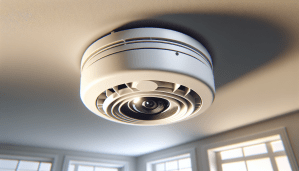
A spy camera, also known as a hidden camera or covert camera, is a device that is designed to capture video or images without the knowledge or consent of the person being recorded. These cameras are often disguised as everyday objects such as pens, clocks, or smoke detectors. They are typically used for surveillance purposes and can be either wireless or wired.
Characteristics of a Spy Camera
Spy cameras are known for their discreetness and ability to blend into their surroundings. They are typically small in size and have a low profile, allowing them to go unnoticed. They may also have features such as motion detection or night vision capabilities to enhance their effectiveness.
Different Types of Spy Cameras
There are various types of spy cameras available in the market today. Some popular examples include wearable spy cameras, such as those disguised as glasses or buttons, and nanny cams that are used for monitoring children or caregivers. Other types include hidden spy cameras in objects like teddy bears, wall clocks, or even fake electrical outlets.
Prohibited Use of Spy Cameras
The use of spy cameras is heavily regulated due to the potential invasion of privacy they can cause. It is generally unlawful to use spy cameras in situations where a reasonable expectation of privacy exists. This includes areas such as bedrooms, bathrooms, locker rooms, and other private spaces where individuals have a reasonable expectation of not being monitored.
Invasion of Privacy
Using spy cameras to record people without their consent violates their right to privacy. Illinois, like many other states, recognizes that individuals have a reasonable expectation of privacy in certain places, and using spy cameras to invade that privacy is considered a violation of the law.
Places where the Use of Spy Cameras is Prohibited
In addition to private areas mentioned above, there are certain places where the use of spy cameras is explicitly prohibited by law. These places typically include public restrooms, changing rooms, hotel rooms, and other locations where individuals have a heightened expectation of privacy.
Exceptions to Spy Camera Laws
While the use of spy cameras is generally prohibited, there are exceptions where their use is allowed and legal.
Security and Law Enforcement Purposes
Spy cameras may be used for security and law enforcement purposes in order to prevent and investigate criminal activities. These cameras are typically installed in public areas such as airports, banks, or government buildings, where individuals do not have a reasonable expectation of privacy.
Written Consent and Disclosure
In some cases, the use of spy cameras may be permissible if all parties involved consent to being recorded and are made aware of the presence of the camera. This can be achieved through written consent or clearly displayed signage that notifies individuals of the surveillance.
Laws Regarding Audio Recording Devices
Definition of an Audio Recording Device
An audio recording device is any device that is used to record sound or conversations. This can include devices such as smartphones, hidden microphones, or digital voice recorders.
Types of Audio Recording Devices
Audio recording devices come in various forms and can be as small as a pen or as sophisticated as a digital recorder. Some common examples include body-worn recorders, telephone recording devices, and hidden microphones.
Characteristics of an Audio Recording Device
An audio recording device is designed to capture and store sound or conversations. These devices may have features such as high-quality microphones, long battery life, and built-in storage capacity. They are often used for personal or professional purposes, such as taking notes, recording interviews, or capturing important meetings.
Wiretapping Laws in Illinois
Illinois follows specific wiretapping laws to protect the privacy of its residents. Wiretapping refers to the act of intercepting or recording conversations without the consent of all parties involved.
Prohibition of Unauthorized Interception
Illinois law prohibits the interception or recording of any private conversations without the consent of all parties to the conversation. This means that, unless all individuals involved in the conversation give their consent, it is illegal to record or listen to their conversation without their knowledge.
Penalties for Violating Wiretapping Laws
Violating Illinois wiretapping laws can result in both civil and criminal penalties. Civil liability may include monetary damages awarded to the affected parties, while criminal penalties can include fines and imprisonment, depending on the severity of the offense.
One-Party Consent vs. Two-Party Consent
When it comes to audio recording devices, Illinois follows a “two-party consent” law, also known as an “all-party consent” law. This means that all parties involved in a conversation must give their consent before any recording can take place.
Explanation of One-Party Consent
In some states, including Illinois, one-party consent is sufficient to legally record a conversation. This means that as long as one person involved in the conversation is aware of and consents to the recording, it is permissible under the law.
Explanation of Two-Party Consent
The two-party consent law, on the other hand, requires the consent of all parties involved in the conversation for it to be legally recorded. This ensures that everyone’s right to privacy is protected and that recordings are only made with the knowledge and agreement of all individuals.
Applicability of One-Party/Two-Party Consent in Illinois
Illinois follows the two-party consent law, meaning that all parties involved in a conversation must give their consent for the recording to be legally permissible. Failure to obtain consent from all parties can result in legal consequences.
Exemptions to Wiretapping Laws
Consent Exemption
There are certain situations where the two-party consent requirement does not apply. One such exemption is when the person recording the conversation is a party to the communication. In this case, they are allowed to record the conversation without obtaining the consent of the other parties involved.
Law Enforcement Exemptions
Law enforcement agencies are exempt from the two-party consent requirement under certain circumstances. For example, they may obtain court-authorized wiretaps or engage in undercover operations where recordings are necessary for legitimate law enforcement purposes.
Consequences of Violating Wiretapping Laws
Civil Liability
If an individual’s privacy is violated through the unauthorized interception or recording of their conversations, they may have grounds to file a civil lawsuit. In such cases, the affected party may seek monetary damages to compensate for the invasion of privacy and any resulting harm.
Criminal Penalties
Violating wiretapping laws can also lead to criminal charges. The severity of the penalties depends on factors such as the intent behind the recording, the number of offenses committed, and the extent of the invasion of privacy. Criminal penalties can range from fines to imprisonment, depending on the circumstances and the applicable state laws.
In conclusion, both spy cameras and audio recording devices are subject to specific laws and regulations in Illinois to protect individuals’ right to privacy. It is important to understand these laws and comply with them to avoid civil or criminal consequences. By respecting privacy rights and obtaining consent when required, we can ensure a balance between security and privacy in our society.