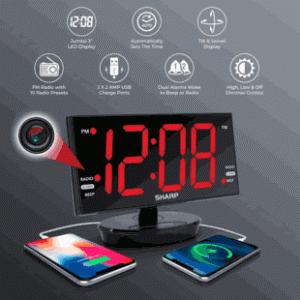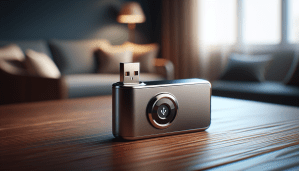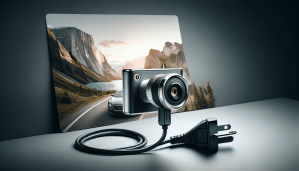

Are you curious about how to make the most of covert cameras? Look no further! In this article, you will discover the secrets to effectively utilizing covert cameras. Whether you want to enhance home security, monitor your employees, or simply capture precious moments discreetly, we’ve got you covered. Stay tuned as we unveil tips and tricks to maximize the potential of these covert gems. Say goodbye to the fear of missing out and hello to a world of hidden possibilities. Let’s get started!

Choosing the Right Covert Camera
When it comes to choosing the right covert camera, there are several factors you need to consider. First and foremost, think about the purpose of surveillance. Are you using the camera for home security, monitoring a business, or gathering evidence? Identifying the purpose will help you determine the features and specifications you need in a covert camera.
Next, evaluate the environment where the camera will be placed. Is it indoors or outdoors? Will it be exposed to extreme temperatures or humidity? Consider these factors to ensure you select a camera that can withstand the conditions and perform at its best.
Deciding on the type of covert camera is also crucial. There are various options available, including hidden cameras, disguised cameras, or body-worn cameras. Each type has its own benefits and drawbacks, so choose one that suits your specific requirements.
Additionally, don’t forget to consider the power source. Are you able to connect the camera to a power outlet, or do you need a battery-powered option? This will depend on the camera’s location and your accessibility to a power supply. Make sure to select a power source that meets your needs and ensures continuous surveillance.
Finally, determine the recording capacity you require. How long do you need the camera to record before it overwrites old footage? Consider the storage space available and the duration for which you need the recordings. This will help you choose a covert camera with sufficient recording capacity.
Placement and Positioning
Once you have chosen the right covert camera, it’s important to carefully consider its placement and positioning. Identifying the ideal locations is crucial to capture the desired areas effectively. Think about the areas you want to monitor and place the camera strategically to cover those spots.
Equally important is hiding the camera effectively. You want the camera to remain undetectable to avoid compromising its purpose. Consider using camouflage or disguising techniques to merge the camera with its surroundings. The more inconspicuous the camera is, the better it will serve your surveillance needs.
When positioning the camera, be mindful of the field of view. Ensure that the camera captures the desired area entirely. Assess the angle at which the camera is placed and make adjustments if necessary. Experiment with different angles to achieve the optimal surveillance coverage.
To ensure that you are capturing the right footage from the right angles, it’s advisable to test the camera’s field of view. Take the time to review the recordings and make any necessary adjustments to ensure you are getting the best possible surveillance footage.
Power and Connectivity
Choosing the appropriate power source for your covert camera is essential for uninterrupted surveillance. Depending on your specific needs, you may opt for battery-powered cameras or cameras that can be connected to a power outlet. Consider factors such as accessibility to power outlets and the camera’s location when making this decision.
Battery life is another crucial aspect to consider, especially if you opt for a battery-powered covert camera. Evaluate the battery life of different camera models and choose one that can operate for an extended period without requiring frequent battery changes or recharges.
Exploring wireless connectivity options can provide added convenience and flexibility. Many covert cameras now come equipped with Wi-Fi or Bluetooth capabilities, allowing you to remotely access and control the camera. Consider this feature if you want to have the freedom to monitor the camera without physical access to it.
On the other hand, if a wired connection is what you prefer, evaluate the connection requirements of the covert camera. Ensure that you have the necessary cables and equipment to set it up appropriately.
Whichever power and connectivity options you choose, ensure that data transmission is secure. A secure connection helps protect your surveillance footage from unauthorized access and maintains the privacy of those being monitored.
Recording and Storage
Selecting a suitable storage method is crucial to ensure you have enough space to store your surveillance footage. Consider whether you want to use a physical storage device, such as an SD card, or if you prefer cloud-based storage. Each option has its own advantages, so choose the one that fits your needs and preferences.
When it comes to choosing the right recording device, take into account factors such as the camera’s compatibility with different devices and the ease of accessing and managing the recordings. Consider using devices that offer advanced features like motion-activated recording, which helps conserve storage space by only recording when activity is detected.
Loop recording is another aspect worth considering. This feature allows the camera to overwrite the oldest footage automatically when the storage is full, ensuring that you always have the most recent surveillance recordings. Evaluate whether loop recording is necessary for your surveillance needs.
To ensure the protection of your data, take measures to secure your recordings. Encryption and password protection can help safeguard your surveillance footage from unauthorized access. Prioritize the security of your data to maintain its integrity.
Remote Access and Monitoring
Remote viewing options have become increasingly popular and offer convenience when monitoring covert cameras. Explore cameras that allow remote access and consider your preferred method of accessing the footage. Some cameras offer mobile apps or software that enable you to view the recordings on your smartphone or computer.
Setting up secure remote access is crucial to prevent unauthorized individuals from accessing your surveillance footage. Ensure that your cameras and network are properly secured with strong passwords and the latest security protocols. Consult the camera’s user manual or seek professional assistance to set up secure remote access.
Before utilizing remote access, familiarize yourself with how to control and monitor the camera remotely. Learn about the camera’s features and functionalities, and understand how to navigate through the control interface. This will help you make the most of your covert camera’s capabilities.
Privacy and security should always be a top concern when using covert cameras. Ensure that you respect the privacy of individuals being monitored and comply with relevant laws and regulations. Take the necessary steps to secure your surveillance system and prevent any potential breaches.
Legal and Ethical Considerations
Operating covert cameras requires an understanding of the legal and ethical considerations surrounding their use. Familiarize yourself with the laws and regulations applicable to your jurisdiction. Different regions may have varying requirements for the use of surveillance cameras, so it’s essential to be well-informed to avoid legal repercussions.
Respecting the privacy rights of individuals is paramount. Understand that there are boundaries to surveillance, and it’s essential to strike a balance between monitoring for legitimate reasons and respecting personal privacy. Be mindful of where and when surveillance is conducted to avoid infringing upon privacy rights.
In some cases, it may be necessary to notify individuals about surveillance. This is especially true if you are monitoring in public spaces or areas where individuals have a reasonable expectation of privacy. Understanding the notification requirements in your jurisdiction is essential to remain compliant with the law.
Illegal use of covert cameras can result in severe consequences. Understand that unauthorized surveillance, invasion of privacy, or using covert cameras for malicious purposes can lead to legal action and significant penalties. If you are uncertain about the legality of using a covert camera, consult legal professionals for guidance.
Maintenance and Troubleshooting
Proper maintenance of your covert camera is crucial to ensure its longevity and optimal performance. Regularly check and clean the camera to prevent dust or debris buildup that can affect its functionality. Refer to the manufacturer’s instructions for the correct cleaning methods and avoid using abrasive materials that may damage the camera.
Ensure that the camera is functioning properly by conducting periodic checks. Test its recording capabilities, field of view, and connectivity to ensure everything is in working order. If you notice any issues or anomalies, promptly troubleshoot them to prevent any interruption in surveillance.
Common issues such as connectivity problems or firmware/software glitches may arise. Stay updated with the latest firmware and software releases for your covert camera. Regularly check for updates and install them to ensure your camera operates at its best.
If you encounter technical difficulties or issues that you cannot resolve on your own, do not hesitate to seek professional assistance. Expert technicians can help diagnose and fix complex problems, ensuring that your covert camera continues to perform optimally.
Additional Features and Accessories
Covert cameras come with a range of additional features and accessories that can enhance their functionality and versatility. Consider features such as night vision capabilities, especially if you require surveillance in low-light conditions. Night vision cameras use infrared technology to capture clear footage even in the dark.
Exploring audio recording options may be useful for capturing audio alongside video footage. Be mindful of legal restrictions surrounding audio recording, and ensure compliance with relevant laws and regulations in your jurisdiction.
If your covert camera will be exposed to outdoor elements or potential vandalism, consider weatherproof or vandal-resistant cameras. These cameras are specifically designed to withstand harsh conditions and provide added durability and longevity.
Cameras with pan-tilt-zoom (PTZ) functionality offer increased flexibility in monitoring. With PTZ cameras, you can remotely control the camera’s movement, allowing you to adjust the field of view and focus on specific areas of interest.
Choosing concealment accessories can provide an added layer of discretion. Accessories such as camera housings or covers can help further disguise the camera and make it blend seamlessly into its surroundings.

Educate Yourself on Covert Camera Technologies
To make the most of your covert camera, it’s important to stay informed about the latest advancements and innovations in covert camera technologies. Keep up to date with the latest news, blogs, and articles that discuss advancements in covert surveillance.
Research different camera models and brands to understand the features and specifications they offer. Compare their capabilities, pricing, and customer reviews to make an informed decision.
Reading reviews and expert opinions can provide valuable insights into the performance and reliability of covert cameras. Look for reputable sources and read user experiences to get a better understanding of the cameras’ strengths and weaknesses.
Participating in online communities or forums dedicated to surveillance can be a valuable resource. Engage with other users, ask questions, and share your experiences. Learning from others’ experiences can help you make better decisions and utilize your covert camera more effectively.
Using Covert Cameras Responsibly
While covert cameras offer numerous benefits, it is important to remember to use them responsibly and ethically. Respect the rights of others and use surveillance only for legitimate reasons.
Maintain ethical use of surveillance by ensuring you do not invade privacy unnecessarily. Use covert cameras within the boundaries of the law and respect the privacy of individuals being monitored.
Before conducting surveillance, consider whether it is necessary and justified for security purposes. Use covert cameras as a tool to enhance safety and protection rather than for personal or intrusive reasons.
Lastly, always remember the purpose of surveillance. Whether it is to deter criminal activity, monitor specific areas, or gather evidence, keep your surveillance efforts aligned with the intended goals.
By following these guidelines and using covert cameras responsibly, you can utilize this powerful tool effectively while respecting privacy and maintaining ethical standards.