
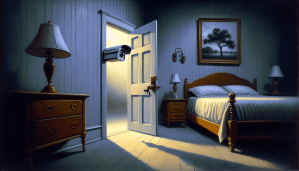
In Louisiana, it is essential to be well-informed about the laws pertaining to wiretapping and spy cameras. These laws are designed to protect the privacy of individuals and prevent unauthorized surveillance. Knowing these regulations can help you navigate the use of audio recording devices and spy cameras lawfully. By understanding the specific guidelines set forth in Louisiana, you can ensure that you are not inadvertently violating any rights and maintain a respectful approach towards privacy. So, let’s delve into the intricacies of wiretapping and spy camera laws in Louisiana, to empower you with the knowledge you need.
Overview of Wiretapping and Spy Camera Laws in Louisiana
Wiretapping and spy camera laws are essential in protecting the privacy and security of individuals in Louisiana. These laws define the legality and boundaries of recording private conversations and capturing visual images without consent. Understanding these laws is crucial to avoid legal trouble and protect the rights of individuals.
Definition of wiretapping
Wiretapping refers to the act of intercepting and recording conversations secretly, often using electronic devices. It involves the unauthorized monitoring or recording of oral, wire, or electronic communications. Wiretapping can occur either in person or through the use of telecommunication devices.
Definition of spy camera
A spy camera, also known as a hidden camera or covert camera, is a surveillance device used to capture audio and visual recordings without the knowledge or consent of the subjects being recorded. These cameras are designed to be discreet and can be concealed within objects or installed in inconspicuous locations.
Importance of wiretapping and spy camera laws
Wiretapping and spy camera laws play a crucial role in safeguarding privacy and preventing unauthorized intrusion into personal lives. These laws help ensure that individuals have control over their private conversations and visual image, protecting them from unwanted surveillance and potential misuse of recorded materials. Additionally, these laws contribute to maintaining a sense of trust, security, and respect in society.
Wiretapping Laws in Louisiana
One-party consent law
Louisiana follows a “one-party consent” law, which means that at least one person involved in a conversation must provide consent for it to be legally recorded. This means that as long as one party to the conversation (including the person conducting the recording) gives consent, wiretapping or recording conversations is generally legal.
Exceptions to one-party consent law
However, there are exceptions to the one-party consent law in Louisiana. Consent from all parties involved is required when the conversation is intended to be private and the expectation of privacy is reasonable. In situations where the parties have a reasonable expectation of privacy, such as conversations in a private residence or confidential meetings, all participants must consent to the recording.
Spy Camera Laws in Louisiana
Expectation of privacy
Louisiana recognizes the expectation of privacy in various situations. In places where there is a reasonable expectation of privacy, such as bathrooms, changing rooms, and bedrooms, the use of spy cameras without consent is strictly prohibited. Individuals have the right to feel secure and protected in these private spaces, free from the fear of being recorded without their knowledge or consent.
Consent for recording using spy cameras
To legally record using spy cameras, consent from all parties involved is generally required in Louisiana. This includes obtaining consent from individuals who may be unknowingly recorded in private spaces or situations where they have a reasonable expectation of privacy. Failing to obtain proper consent can result in legal penalties.
Illegal Wiretapping and Spy Camera Activities
Penalties for illegal wiretapping
Engaging in illegal wiretapping activities in Louisiana can lead to serious consequences. Violating wiretapping laws is considered a felony offense and can result in imprisonment and substantial fines. Individuals found guilty of unauthorized interception and recording of private conversations can face criminal charges and legal ramifications.
Penalties for illegal use of spy cameras
Using spy cameras unlawfully can also have severe consequences in Louisiana. Violators may be charged with invasion of privacy or other criminal offenses, depending on the nature and purpose of the recordings. The penalties for illegal use of spy cameras can include fines, imprisonment, and potential civil liability for damages caused by the invasion of privacy.
Wiretapping and Surveillance Laws in the Workplace
Employer’s right to monitor employees
In Louisiana, employers generally have the right to monitor their employees in the workplace, as long as the monitoring does not infringe upon the employees’ reasonable expectation of privacy. This includes monitoring activities such as electronic communications, computer usage, and video surveillance. However, employers must inform employees of any monitoring activities and should have a legitimate business purpose for conducting the monitoring.
Employee’s right to privacy
While employers have certain rights to monitor employees, employees also have a reasonable expectation of privacy in certain situations. For example, employees may have privacy rights in areas such as locker rooms or restrooms. Employers must strike a balance between maintaining a safe and productive work environment and respecting the privacy rights of their employees.
Private Property and Public Spaces
Recording on private property
In Louisiana, recording on private property without consent is generally prohibited unless the person has a legitimate reason to be present on the property. Trespassing while using spy cameras or conducting unauthorized wiretapping activities can result in legal consequences.
Recording in public spaces
When it comes to recording in public spaces in Louisiana, individuals typically have a lower expectation of privacy. Recording conversations or capturing audio and visual images in public places, where there is no reasonable expectation of privacy, is generally allowed. However, it is essential to be mindful of any specific laws or restrictions that may apply to certain public areas.
Legal Cases and Precedents
Landmark cases in Louisiana
Several significant legal cases in Louisiana have helped shape wiretapping and spy camera laws. One such case is State v. Taylor (1998), where the court held that recording a conversation without consent in a private residence violated the expectations of privacy and constituted illegal wiretapping.
Implications for wiretapping and spy camera laws
These landmark cases and legal precedents have established guidelines and boundaries for wiretapping and spy camera activities in Louisiana. They serve as important references for courts and authorities when determining the legality of recording and privacy violations.
Reporting and Redress
How to report illegal activities
If you believe you are a victim of illegal wiretapping or unauthorized use of spy cameras in Louisiana, it is crucial to report such activities promptly. Contact your local law enforcement agency or the Louisiana State Police to file a report and provide any relevant evidence or information to support your claim.
Seeking legal remedies
If you have suffered harm or a violation of your privacy rights due to illegal wiretapping or spy camera activities, seeking legal remedies may be necessary. Consult with an attorney who specializes in privacy law to understand your rights and options, including filing civil lawsuits and seeking compensation for the damages caused.
Tips for Protecting Privacy
Recognizing signs of illegal surveillance
Being aware of the signs of illegal surveillance can help protect your privacy. Look out for unusual or obscured objects that could be spy cameras, suspicious wiring, or any indications of unauthorized recording devices. If you suspect you are being monitored illegally, it is advisable to contact law enforcement or seek legal advice.
Protecting against unauthorized wiretapping and spy cameras
To protect yourself against unauthorized wiretapping and spy cameras, take proactive steps such as securing your private spaces, using encryption for electronic communications, and being cautious when discussing sensitive or confidential matters. Regularly inspect your surroundings for any hidden recording devices and be vigilant about your privacy rights.
Conclusion
Understanding wiretapping and spy camera laws in Louisiana is crucial for protecting privacy and security. Whether in personal relationships, the workplace, or public spaces, these laws provide guidance on maintaining boundaries and respecting privacy rights. By adhering to these laws and advocating for privacy protection, individuals can promote a safe and secure environment in Louisiana.