
Have you ever wondered about the laws surrounding the use of spy cameras and audio recording devices in Minnesota? Well, you’re in luck! In this article, we will explore the ins and outs of Minnesota’s wiretapping laws and provide you with a comprehensive understanding of what is legal and what is not when it comes to surveillance and recording. So, grab a cup of coffee, sit back, and prepare to delve into the fascinating world of wiretapping laws in the Land of 10,000 Lakes.
Overview of Spy Cameras and Audio Recording Devices
Definition of spy cameras
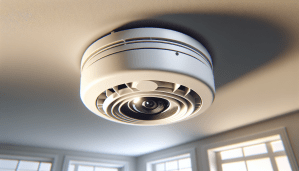
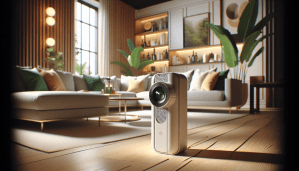
Spy cameras, also known as covert cameras or hidden cameras, are devices that are designed to record visual and audio data without the knowledge or consent of the individuals being monitored. These cameras are often small in size and discreetly concealed in objects or environments, allowing for covert surveillance.
Definition of audio recording devices
Audio recording devices refer to equipment used to capture and store sound. They can range from traditional tape recorders to digital devices such as microphones, voice recorders, and smartphones. Audio recording devices are commonly used for various purposes, including personal or professional audio documentation, interviews, and surveillance.
Importance of understanding the laws
Understanding the laws surrounding spy cameras and audio recording devices is crucial to ensure individuals’ rights to privacy are respected. These laws help establish boundaries and provide clarity on when and how these surveillance methods can be used lawfully. By familiarizing ourselves with the legal framework, we can protect our privacy and make informed decisions regarding our actions involving such devices.
Minnesota Wiretapping Laws
Explanation of wiretapping laws in Minnesota
In Minnesota, wiretapping laws are regulated by both state and federal statutes. In general, wiretapping refers to the interception and recording of oral, wire, or electronic communications without the consent of the parties involved. Minnesota is a “one-party consent” state, meaning that as long as one party involved in the conversation gives consent, the recording is generally lawful.
Requirements for legal audio recording
To lawfully record oral communications in Minnesota, at least one party involved in the conversation must give consent. This means that if you are participating in the conversation, you are allowed to record it without obtaining the consent of others. However, it is important to note that consent is required for the recording to be considered legal.
Prohibited recordings without consent
Minnesota law prohibits recording conversations without the consent of all parties if they have a reasonable expectation of privacy. This means that recording someone in a private setting, such as their home or other secluded areas where they expect privacy, without their consent is generally not allowed. It is essential to respect an individual’s privacy and obtain consent before recording conversations in such circumstances.
Consent and Privacy Rights
Understanding consent laws in Minnesota
Consent plays a vital role in determining the legality of recording conversations or events in Minnesota. It is necessary to obtain consent from all parties involved in a conversation or situation, unless one-party consent applies. Consent can be given explicitly, through verbal or written agreement, or implicitly, through a person’s actions demonstrating their willingness to be recorded.
Expectation of privacy
In Minnesota, individuals have a reasonable expectation of privacy in certain settings, such as their homes, hotel rooms, and other private spaces. It is important to respect these expectations of privacy and avoid recording or monitoring individuals without their consent in these areas. Understanding the boundaries of privacy rights helps maintain trust and promotes a respectful society.
Private vs. public spaces
The distinction between private and public spaces is essential to determine the level of privacy individuals can reasonably expect. Public spaces, such as parks, sidewalks, or restaurants, generally have a lower expectation of privacy as they are open to public view. On the other hand, private spaces, such as residences or enclosed areas not open to the public, are considered to have a higher expectation of privacy, requiring consent for recording.
Permissible Use of Spy Cameras
Legal use of spy cameras in Minnesota
The use of spy cameras is generally legal in Minnesota as long as they are used in a manner that respects the privacy rights of individuals and abides by wiretapping laws. It is crucial to ensure that the cameras are not being used for unlawful purposes, such as voyeurism or invading someone’s privacy.
Surveillance in personal property
Spy cameras can be used to monitor personal property, such as homes or businesses, to enhance security and protect against potential threats. When using spy cameras to surveil personal property, it is important to inform individuals of their presence in areas where they may have a reasonable expectation of privacy, such as bedrooms or bathrooms.
Security measures in public spaces
In public spaces, the use of spy cameras for security purposes, such as monitoring for criminal activity or ensuring public safety, may be permitted. However, it is essential to strike a balance between security and privacy rights. Cameras should be deployed in a manner that minimizes intrusion and focuses on areas where people have a lower expectation of privacy, such as entrances, parking lots, or public transportation stations.
Prohibited Use of Spy Cameras
Invasion of privacy with spy cameras
The unlawful use of spy cameras can constitute an invasion of privacy. This includes recording individuals without their consent in areas where they have a reasonable expectation of privacy, such as restrooms, changing rooms, or hotel rooms. It is crucial to understand the boundaries of privacy and refrain from using spy cameras in a manner that violates these rights.
Recording in areas with reasonable expectation of privacy
Recording individuals in areas where they have a reasonable expectation of privacy, such as their homes or other private spaces, without their consent is generally prohibited. It is important to recognize and respect these expectations of privacy to maintain trust and protect personal privacy rights.
Laws regarding hidden cameras
Using hidden cameras to surreptitiously record individuals without their knowledge or consent is generally not allowed in Minnesota. Hidden cameras can be easily abused, leading to serious invasions of privacy. It is essential to use spy cameras responsibly, ensuring they are not employed to exploit or violate the rights of others.
Exceptions and Exemptions
Law enforcement and government exemptions
In certain circumstances, law enforcement agencies and government entities may be exempt from obtaining consent when conducting surveillance or recording individuals. However, these exemptions are typically subject to legal procedures and requirements to ensure proper oversight and protection of individuals’ constitutional rights.
Consent exemptions in certain situations
Consent requirements may be exempted in situations where there is a reasonable and good-faith belief that obtaining consent is impractical or would impede the recording’s purpose. For example, in emergency situations or in public settings where it is impracticable to seek consent from every individual present, recordings may be deemed lawful if there is a legitimate reason for making the recording.
Public interest exceptions
Under certain circumstances, recordings made without consent may be permitted if they serve a legitimate public interest. This may include recordings made for investigative journalism, documenting public meetings, or providing evidence of criminal activity. However, it is important to balance public interest with individual privacy rights and ensure recordings are made responsibly and ethically.
Penalties and Consequences
Criminal offenses for violating wiretapping laws
Violating wiretapping laws in Minnesota can result in criminal charges. Individuals who unlawfully intercept or disclose oral, wire, or electronic communications may face penalties, including fines, imprisonment, or both, depending on the severity of the offense. It is essential to understand and comply with these laws to avoid potential legal consequences.
Civil liabilities and damages
In addition to criminal penalties, individuals who violate wiretapping laws may be subject to civil lawsuits and potentially liable for damages. Those who have been recorded without their consent may seek legal remedies, such as compensation for emotional distress, invasion of privacy, or other forms of harm caused by the violation.
Reporting violations to authorities
If you suspect someone is unlawfully recording or violating wiretapping laws, it is important to report the incident to the appropriate authorities. This may include contacting law enforcement agencies or relevant regulatory bodies that oversee privacy and surveillance issues. By reporting violations, you can play a crucial role in upholding the legal framework and protecting the rights of individuals.
Case Studies and Precedents
Landmark cases involving wiretapping and spy cameras in Minnesota
Over the years, there have been several landmark cases in Minnesota that have shaped the interpretation and application of wiretapping laws. These cases have helped establish legal precedents and guidelines for the use of spy cameras and audio recording devices. They offer valuable insights into the legal complexities surrounding privacy and surveillance issues.
Implications and interpretations of the laws
The interpretation and implications of wiretapping laws in Minnesota have evolved over time, reflecting changes in technology and societal norms. As new surveillance methods emerge, courts and lawmakers continuously grapple with balancing privacy rights and the needs of law enforcement or public safety. These ongoing discussions shape the application and understanding of wiretapping laws.
Impact on privacy rights
The laws surrounding wiretapping and spy cameras significantly impact privacy rights. By defining the boundaries of lawful surveillance and establishing consent requirements, these laws aim to protect individual privacy. However, they must be continuously evaluated and updated to adapt to changing technologies and societal expectations, ensuring a balance between privacy and public interests.
Protecting Yourself
Understanding your rights
To protect yourself and ensure your privacy, it is essential to understand your rights under wiretapping laws. Familiarize yourself with the protections afforded to individuals and the boundaries of lawful surveillance. By being knowledgeable about your rights, you can make informed decisions and take appropriate actions to safeguard your privacy.
Recognizing potential violations
Being vigilant and aware of your surroundings can help you identify potential violations of wiretapping laws. If you suspect that you are being recorded without your consent or notice suspicious behavior involving spy cameras, trust your instincts and take appropriate steps to address the situation. Document any evidence that may support your concerns and report the incident to the relevant authorities.
Taking legal action when necessary
In situations where your privacy rights have been violated, it may be necessary to take legal action to protect yourself and seek recourse. Consult with legal professionals who specialize in privacy and surveillance laws to understand your options and determine the best course of action. By asserting your rights and holding violators accountable, you contribute to the protection of personal privacy rights for yourself and others.
Conclusion
In conclusion, understanding Minnesota’s wiretapping laws is essential for navigating the use of spy cameras and audio recording devices responsibly. By comprehending the legal framework, individuals can protect their own privacy and uphold the privacy rights of others. The use of spy cameras and audio recording devices should always be conducted within the boundaries of the law and with respect for the expectations and rights of privacy. By striking a balance between security concerns and privacy rights, we can maintain a fair and respectful society that values personal privacy and protects individuals’ wellbeing.