
In a digital age where privacy is increasingly at risk, it’s essential to know how to keep your personal space secure. From public places to hotel rooms, hidden recording devices can potentially invade your privacy without your knowledge. This article aims to provide you with effective techniques and practical tips on how to detect these covert devices, so you can safeguard your personal information and maintain your peace of mind.

Introduction
Importance of privacy
Privacy is an essential aspect of our lives that allows us to maintain autonomy and protect sensitive information. It enables us to have control over our personal space, thoughts, and actions, fostering a sense of security and freedom. In today’s digital age, with the constant connectivity provided by various devices, maintaining privacy has become challenging. It is crucial to be aware of the potential risks and take measures to protect our privacy.
Growing concern of hidden recording devices
One significant threat to privacy that has gained prominence is the use of hidden recording devices. These devices can be utilized for various purposes, ranging from illegal surveillance and voyeurism to corporate espionage. The increasing availability and affordability of these devices have fueled concerns, as they can be easily concealed in everyday objects, leaving individuals vulnerable to invasions of privacy.
Purpose of the article
The purpose of this article is to raise awareness about the potential risks associated with hidden recording devices, educate readers on how these devices work, and provide practical tips and techniques to detect and prevent them. By understanding the methods utilized by hidden recording devices and employing counter-surveillance measures, individuals can take proactive steps to safeguard their privacy.
Understanding Hidden Recording Devices
Types of hidden recording devices
Hidden recording devices come in various forms, each designed to be discreetly concealed in different environments. Some popular types include:
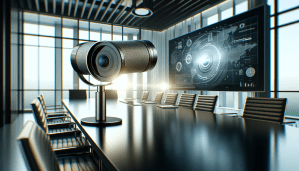
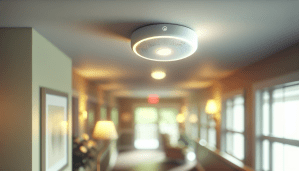
- Miniature cameras: these devices can be as small as a pen tip and can be discreetly placed in various objects such as clocks, mirrors, or smoke detectors.
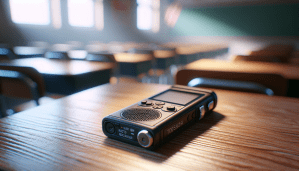
- Audio recorders: disguised as everyday objects like pens, USB drives, or even clothing, these devices capture audio covertly.
- GPS trackers: often used for surveillance, these devices secretly monitor the location of a person or object.
How hidden recording devices work
Hidden recording devices utilize technology to discreetly capture audio, video, or photographic data without arousing suspicion. Miniature cameras, for instance, use either wired or wireless connections to transmit the captured footage to a remote location or storage device. Audio recorders typically record sound onto internal storage or transmit it via wireless technologies like Bluetooth or Wi-Fi.
Legal implications of using hidden recording devices
It is vital to understand the legal implications of using hidden recording devices. In many jurisdictions, recording someone’s conversation without consent is illegal and can result in civil or criminal penalties. Laws vary from country to country and even between states and provinces, so it is essential to research and adhere to local regulations before using any surveillance equipment. Unlawful use of hidden recording devices not only violates an individual’s right to privacy but also undermines trust and societal norms.
Signs of Hidden Recording Devices
Unusual objects or furnishings
One of the telltale signs of hidden recording devices is the presence of unusual objects or furnishings that do not seem to serve a practical purpose. Everyday items like wall clocks, picture frames, smoke detectors, or even electrical outlets may have hidden cameras or microphones embedded within them.
Unexpected noises or interferences
If you notice strange buzzing or clicking sounds, or if you experience unexpected signal interruptions on your electronic devices like phones or radios, it could be an indication of hidden recording devices nearby. These devices emit signals or frequencies that can interfere with regular electronic equipment.
Changes in power outlets or wiring
When hidden recording devices are installed, there may be alterations to power outlets or wiring within a room or building. Look for any new or unexplained electrical modifications, such as additional wires, new outlets, or unusual configurations.
Suspicious behavior of people around
If you notice individuals behaving strangely or exhibiting suspicious behavior around your personal space, workplace, or other areas where privacy is paramount, it may indicate that hidden recording devices are in use. Pay attention to individuals who seem overly interested in your conversations or activities.
Unexplained increase in data usage
Hidden recording devices that rely on wireless communication may cause a sudden and unexplained increase in data usage on your Wi-Fi network or mobile data plan. Monitor your data usage and investigate any significant spikes that cannot be attributed to regular activities.
Physical Inspection
Search techniques for hidden recording devices
Performing a physical inspection of your surroundings is one of the most effective ways to detect hidden recording devices. Some techniques to consider include:
- Visual inspection: carefully examine your environment, paying attention to objects and furnishings that seem out of place or unusually positioned.
- Tactile inspection: physically touch objects to identify any irregularities or hidden compartments.
- Magnetic detection: use a magnet to check for hidden metallic components, as many hidden recording devices contain magnets for attachment purposes.
- Light reflections: observe surfaces for unusual reflections that may indicate the presence of hidden lenses.
Popular locations for hidden recording devices
To maximize their effectiveness, hidden recording devices are often placed in strategic locations. Some common areas where you may find hidden devices include:
- Bedrooms and bathrooms: areas where privacy is expected and personal activities take place.
- Meeting rooms and offices: locations where important discussions and sensitive information are shared.
- Public restrooms and changing rooms: spaces where privacy is vital but often compromised due to the absence of personal belongings.
Tools and equipment for physical inspection
Various tools and equipment can aid in the physical inspection of your surroundings. Some useful devices include:
- Flashlights: to thoroughly inspect dark or hard-to-reach areas.
- Magnifying glasses: for close examination of small objects or compartments.
- Wi-Fi signal analyzers: to detect any wireless devices or signals in your vicinity.
- Non-contact voltage testers: to identify electrical anomalies or modifications.
Using Technology to Detect Hidden Recording Devices
Smartphone apps for detecting hidden recording devices
Advancements in technology have led to the development of smartphone apps that can detect hidden recording devices. These apps utilize a smartphone’s built-in functionalities, such as the camera, microphone, and sensors, to identify potential threats. While not foolproof, these apps can be a convenient and accessible tool for individuals concerned about their privacy.
RF signal detectors
Radio frequency (RF) signal detectors are devices specifically designed to identify and locate hidden recording devices that operate on radio frequencies. These detectors can scan the surrounding area for signals emitted by wireless devices, providing an indication of their presence. RF signal detectors are highly effective in detecting devices that have wireless capabilities, such as Wi-Fi-enabled cameras or microphones.
Infrared cameras
Infrared (IR) cameras can detect hidden recording devices that emit heat signatures. This technology allows users to identify devices that may not be visible to the naked eye but generate heat due to their electrical components. IR cameras are particularly useful for detecting devices behind walls or concealed within furniture.
Hidden camera detectors
Built specifically for the purpose of detecting hidden cameras, these devices are equipped with lenses that can identify reflections from camera lenses. Hidden camera detectors can help expose cameras that may be hidden in objects or behind surfaces. Some models may also include RF signal detection capabilities for added versatility.
Counter-surveillance Measures
Using white noise generators
White noise generators emit random sound frequencies that mask or interfere with audio recording devices. By creating a noisy environment, these devices make it difficult for hidden recording devices to capture clear audio. White noise generators can be particularly useful in areas where privacy is crucial, such as meeting rooms or bedrooms.
Using signal jammers
Signal jammers are devices that disrupt wireless communication by emitting radio signals that overpower the transmissions of hidden recording devices. These devices effectively prevent the covert transfer of audio, video, or other data by rendering the receiver or transmitter useless. However, it is essential to understand the legal considerations and restrictions surrounding the use of signal jammers, as they can interfere with authorized wireless communication devices.
Employing bug sweep services
Bug sweep services, also known as technical surveillance countermeasures (TSCM) services, are provided by professionals who specialize in detecting hidden recording devices. These experts use advanced equipment and techniques to thoroughly inspect an area and identify any surveillance equipment or vulnerabilities. Bug sweep services can be particularly valuable for businesses or individuals who believe they may be targeted by eavesdropping or surveillance activities.
How to Protect Your Privacy
Secure your physical surroundings
Take proactive measures to secure your physical surroundings by regularly inspecting your living or working spaces for hidden recording devices. Be vigilant for any suspicious objects or modifications, and immediately address any concerns that arise. Additionally, use physical barriers such as curtains or blinds to prevent visual intrusion into your private spaces.
Be cautious in public spaces
When in public places, be aware that hidden recording devices may be present. Be cautious of your surroundings and avoid discussing sensitive or personal matters in areas where your conversation can be easily overheard. Opt for private meeting spaces whenever possible.
Regularly inspect your personal items
Regularly inspect your personal items, such as bags, clothing, or electronic devices, for any signs of tampering or irregularities. Check for any new or unexplained additions, modifications, or attachments. This practice is particularly important when traveling or in situations where your possessions may be out of your immediate control.
Maintain strong cybersecurity practices
Protect your digital privacy by maintaining strong cybersecurity practices. Use complex, unique passwords for your online accounts, enable multi-factor authentication when available, and regularly update your devices’ operating systems and software. Be cautious when clicking on suspicious links or downloading unknown files, as they may contain malware or spyware.
Educate yourself about hidden recording devices
Stay informed about the latest developments in hidden recording devices and surveillance techniques. Educate yourself about the technology available to both perpetrators and individuals looking to protect their privacy. By staying up to date, you can make informed decisions and take appropriate measures to maintain your privacy.
Legal Rights and Recourse
Know and understand local privacy laws
Before taking any action against hidden recording devices, it is crucial to familiarize yourself with the relevant privacy laws in your jurisdiction. Laws pertaining to recording conversations, in particular, may vary greatly. Knowing your rights and obligations will enable you to navigate the situation effectively and ensure that you remain within legal boundaries.
Reporting and legal actions
If you discover hidden recording devices in your personal space or suspect illegal surveillance, it is important to report the incident to law enforcement. Provide them with all relevant evidence and cooperate fully with their investigation. Depending on the severity and circumstances, legal actions may be pursued to hold the responsible parties accountable.
Seek professional advice
If you find yourself in a situation involving hidden recording devices and legal implications, it is advisable to seek professional advice from lawyers specializing in privacy or surveillance laws. They can provide guidance tailored to your specific circumstances and help you understand the available legal recourse options.
Preventing Hidden Recording Devices
Protecting your home
Protecting your home from hidden recording devices starts with implementing basic security measures. Regularly inspect your living spaces, secure your doors and windows, and consider investing in an alarm system or security cameras. Conducting routine bug sweeps or hiring professional bug sweep services can help ensure your privacy.
Securing your workplace
In a professional setting, securing your workplace against hidden recording devices is crucial to protect sensitive information and maintain a confidential environment. Implement access control measures, establish clear policies regarding personal devices, and conduct regular security audits. Promote awareness among employees about the risks of hidden recording devices and educate them about the potential signs and countermeasures.
Public awareness campaigns
Public awareness campaigns play a vital role in educating individuals about the risks and implications of hidden recording devices. By raising awareness through media channels, workshops, or community events, individuals can become more informed and vigilant in protecting their privacy. Public campaigns can also encourage policymakers to prioritize legal frameworks that effectively address the challenges posed by hidden recording devices.
Conclusion
In an increasingly connected world, protecting your privacy is of paramount importance. Hidden recording devices pose significant threats to personal and professional spaces, but with awareness, knowledge, and vigilance, individuals can take steps to detect and prevent these invasions of privacy. By understanding the various types of hidden recording devices, recognizing the signs, and utilizing technology and counter-surveillance measures, individuals can safeguard their privacy and maintain control over their personal space in this digital age. It is essential that we remain diligent and proactive in protecting our privacy, both for ourselves and for the future generations that will inherit this increasingly connected world.