


Have you ever wondered how a simple box with a tiny hole can create captivating and mesmerizing images? Enter the world of pinhole cameras, where the magic of photography is stripped down to its bare essentials. With no need for fancy lenses or complex settings, these humble yet remarkable devices bring out the beauty in simplicity. In this article, we will explore the wonders of pinhole cameras and discover how they have become a beloved tool for both professional photographers and passionate amateurs alike. Get ready to be amazed by the artistry and creativity that can be achieved through this fascinating form of photography.


History of Pinhole Camera
The history of pinhole photography can be traced back to ancient times, with the origins rooted in the principles of optics and light. The concept of the pinhole camera, also known as the camera obscura, can be dated back to the Chinese philosopher Mozi in the 5th century BC. Mozi discovered that light passes through a small hole onto a dark surface and forms an inverted image. This laid the foundation for the development of the pinhole camera.
Origins of Pinhole Photography
The term “pinhole” refers to a tiny aperture made with a pin. The earliest known record of pinhole photography can be found in a manuscript by an Arabian scholar, Alhazen, in the 10th century. However, it wasn’t until the Renaissance period that the pinhole camera gained popularity among artists and scientists.
Early Uses of Pinhole Cameras
In the 16th and 17th centuries, artists began using pinhole cameras as a tool for drawing and painting. They would project the image onto a surface and trace the outline, providing a more accurate representation. This technique was widely used by artists such as Johannes Vermeer in their art.
Revival and Popularity
Pinhole photography experienced a revival in the 20th century thanks to photographers like Alfred Stieglitz and László Moholy-Nagy. They recognized the unique qualities of pinhole images, with their soft focus and dream-like quality. This led to a renewed interest in pinhole cameras and the creative possibilities they offered. Today, pinhole photography continues to be a popular and accessible form of artistic expression.
How Pinhole Cameras Work
Basic Mechanism of Pinhole Cameras
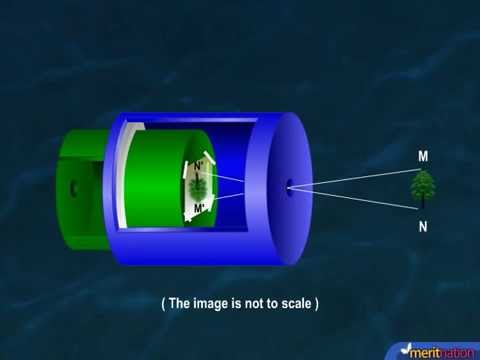
Pinhole cameras operate on a simple principle: light travels in a straight line. The camera consists of a lightproof box with a small, precise hole or aperture on one side. When an object is placed in front of the pinhole, the light rays pass through the pinhole and create an inverted image on the opposite side of the box.
The Pinhole Effect
The pinhole effect refers to the unique characteristics of images captured through a pinhole camera. Due to the small size of the aperture, the resulting image is slightly blurry and exhibits a wide depth of field. This gives pinhole photographs a distinct aesthetic charm, often described as ethereal or dreamy.
Capturing Light without Lenses
Unlike traditional cameras, pinhole cameras do not require lenses to focus light. Instead, the pinhole acts as a natural lens, allowing the light to enter the camera in a controlled and precise manner. This simplicity in design makes pinhole cameras a versatile tool for experimentation and creativity.
Benefits of Using Pinhole Cameras
Inexpensive and Easy to Make
One of the major benefits of pinhole cameras is their affordability and simplicity. With just a few basic materials, such as a shoebox, aluminum foil, and a pin, anyone can construct their own pinhole camera. This accessibility makes pinhole photography a great option for beginners or those on a budget.
Creative and Experimental Photography
Pinhole cameras offer a unique and creative approach to photography. The soft focus and dream-like quality of pinhole images can evoke emotions and tell stories in a distinct way. Additionally, the limitations of pinhole cameras, such as long exposure times, encourage experimentation and allow for unexpected results.
Learning the Basics of Photography
Using a pinhole camera can serve as an excellent introduction to the fundamentals of photography. With no complex settings or technicalities to worry about, beginners can focus on understanding the basics of composition, lighting, and exposure. This hands-on approach helps develop a deeper appreciation for the art of photography.
DIY Pinhole Cameras
Materials Needed
To create your own pinhole camera, you will need:
- A lightproof box (e.g., a shoebox)
- A piece of aluminum foil
- A pin or needle
- Black tape or paint to seal the box
Step-by-Step Instructions
- Start by selecting a suitable box for your pinhole camera. Ensure it is lightproof by sealing any cracks or openings with black tape or paint.
- Choose one side of the box as the front and cut a small square or rectangular hole in it. This will serve as the frame for your image.
- On the opposite side of the box, create a tiny pinhole using a pin or needle. Make sure it is as small and precise as possible.
- Cover the pinhole with a piece of aluminum foil, securing it tightly with black tape.
- Your pinhole camera is now ready to use. Load photographic paper or film into the box, close the lid securely, and proceed to capture your images.
Tips and Tricks for Better Results
- Experiment with different sizes of pinholes to achieve different effects. Smaller pinholes result in sharp images, while larger ones create softer, ethereal effects.
- Use a tripod or stable surface to prevent camera shake during long exposure shots.
- Take advantage of the wide depth of field by positioning objects at varying distances from the camera.
- Embrace the imperfections and unpredictability of pinhole photography – they often lead to unique and captivating images.
Pinhole Photography Techniques
Long Exposures and Light Painting
Pinhole cameras excel at capturing long exposures. This technique involves leaving the camera’s shutter open for an extended period, allowing the pinhole to gather an abundance of light. It’s perfect for capturing breathtaking nightscapes, star trails, or light painting, where a light source is moved during the exposure to create artistic streaks and shapes.
Multiple Pinholes and Panoramic Shots
By incorporating multiple pinholes or using a special pinhole camera with multiple exposures, panoramic shots can be achieved. Each pinhole captures a different section of the scene, resulting in a wider, elongated image. This technique adds a unique perspective and allows for experimental compositions.
Solargraphy and Pinhole Time-Lapses
Solargraphy is a technique that takes advantage of the extended exposure times of pinhole cameras to capture the path of the sun over a long period. By mounting a pinhole camera in a fixed location and leaving it for several months, the resulting image displays the arc of the sun’s movement. This technique can also be used to create mesmerizing pinhole time-lapses.
Famous Pinhole Photographers
Justin Quinnell
Justin Quinnell is a British photographer known for his innovative use of pinhole cameras. His images range from documenting everyday life to capturing extraordinary events, often with a focus on time and movement. Quinnell has pushed the boundaries of pinhole photography, producing captivating and thought-provoking images.
Nancy Spencer
Nancy Spencer is a Canadian pinhole photographer recognized for her breathtaking landscapes and experimental techniques. She often combines multiple pinholes, resulting in unique and panoramic captures. Spencer’s work showcases the beauty and serenity of nature, inviting viewers to immerse themselves in her images.
Abelardo Morell
Abelardo Morell is a Cuban-born American photographer renowned for his contemplative and imaginative pinhole images. His work often explores indoor scenes, using long exposures and unique perspectives to create ethereal and dream-like photographs. Morell’s photographs challenge viewers to see the world around them in a new light.
Pinhole Camera Collections and Exhibits
Permanent Collections
Several museums and art institutions around the world house permanent collections of pinhole photography. These collections celebrate the unique artistry and historical significance of pinhole cameras. Examples include the Museum of Modern Art (MoMA) in New York, the Victoria and Albert Museum in London, and the Musée de l’Élysée in Lausanne.
Traveling Exhibitions
Pinhole photography exhibitions frequently travel to different galleries and exhibition spaces, showcasing the work of both renowned artists and emerging talents. These exhibitions offer a platform for photographers to share their images with a wider audience and inspire others to experiment with pinhole cameras. Keep an eye out for local galleries or photography festivals that may feature pinhole photography exhibitions.
Pinhole Photography Events
Pinhole photography events, such as The Worldwide Pinhole Photography Day, bring together pinhole enthusiasts from around the world. These events often feature workshops, exhibitions, and photo walks, allowing participants to connect, learn, and create together. Whether you are a seasoned pinhole photographer or a curious beginner, these events provide an opportunity to immerse yourself in the world of pinhole photography.
Pinhole Cameras in Education
Teaching Tool for Physics and Optics
Pinhole cameras can be used as educational tools to teach students about the principles of physics and optics. By constructing their own pinhole cameras, students can experience firsthand how light travels in a straight line and forms an image. This hands-on approach fosters a deeper understanding of concepts such as refraction, perspective, and the inverse square law.
Artistic Expression for Students
Pinhole photography offers a unique outlet for artistic expression among students. By encouraging them to think creatively and experiment with composition, lighting, and exposure, pinhole photography allows students to explore their visual storytelling abilities. This can help foster a sense of self-expression, boost confidence, and develop an appreciation for the art of photography.
Community Projects and Workshops
Pinhole cameras can also be used to engage the community through collaborative projects and workshops. Organizing pinhole photography workshops in schools or community centers allows individuals of all ages and backgrounds to come together, learn, and create. These projects can promote teamwork, spark creativity, and inspire a sense of camaraderie among participants.


Tips for Pinhole Photography
Choosing the Right Pinhole Size
The size of the pinhole affects the image quality and characteristics. Smaller pinholes result in sharper images with a larger depth of field, while larger pinholes create softer, more dream-like images. Experiment with different sizes to achieve the desired effect for your photographs.
Finding the Best Lighting Conditions
Pinhole cameras rely heavily on available lighting conditions. It’s essential to consider the time of day, weather, and direction of light when planning your pinhole photography session. Soft, diffused light often produces pleasing results, while harsh midday sun can create high contrast and intense shadows.
Experimenting with Different Surfaces
Pinhole cameras can be adapted to capture images on various surfaces, such as photographic paper, film, or even unconventional materials like aluminum cans or shoeboxes. Each surface offers its own unique characteristics, allowing for endless experimentation and creative exploration.
Resources for Pinhole Photographers
Pinhole Photography Books
There are several books available that delve into the art and techniques of pinhole photography. Some recommended titles include “Pinhole Photography: Rediscovering a Historic Technique” by Eric Renner and “Camera Obscura: Pinhole Photography” by David Balihar.
Online Communities and Forums
Joining online communities and forums dedicated to pinhole photography can provide valuable insights, tips, and opportunities to connect with fellow enthusiasts. Websites such as f295 and Pinhole Society offer platforms for sharing images, discussing techniques, and participating in collaborative projects.
Pinhole Camera Kits and Accessories
For those who prefer ready-made solutions, there are various pinhole camera kits and accessories available. These kits include pre-cut lightproof boxes, laser-drilled pinholes, and other necessary components to simplify the construction process. Companies like RealitySoSubtle and Zero Image offer a range of pinhole camera options to suit different preferences and budgets.
In conclusion, pinhole photography is an accessible, creative, and versatile form of photographic expression. With its rich history, unique mechanics, and potential for experimentation, pinhole cameras continue to captivate both novice and experienced photographers. Whether you construct your own pinhole camera or explore the work of renowned pinhole photographers, the world of pinhole photography offers a wonderful journey of artistic discovery.
