
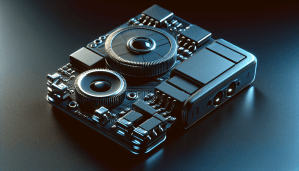
Imagine a world where hidden audio recorders lurk in the shadows, capturing conversations and secrets without anyone knowing. It sounds like something straight out of a spy movie, but these covert devices are a reality in today’s digital age. In this article, we will explore the world of hidden audio recorders, uncovering their presence in our everyday lives, and shedding light on the implications they have on privacy and security. From eavesdropping concerns to legal ramifications, prepare to be captivated by the silent shadows that surround us.

I. Introduction
Welcome to the fascinating world of hidden audio recorders! In this article, we will explore everything you need to know about these discreet devices that have revolutionized the way we collect and preserve audio information. Whether you’re a journalist, a private investigator, or simply someone curious about the technology, we’ve got you covered. From their definition and history to the various types and working mechanisms, we will dive deep into the intricacies of hidden audio recorders. We will also discuss the ethical considerations and legalities surrounding their use, as well as provide tips on detecting and protecting against these covert devices. So, let’s embark on this enlightening journey together!
II. Overview of Hidden Audio Recorders
A. Definition of Hidden Audio Recorders
Hidden audio recorders, often referred to as covert audio recording devices, are portable devices designed to discreetly capture and store audio without the knowledge of others in the vicinity. These ingenious gadgets are compact, easy to conceal, and provide a means to secretly obtain audio evidence or gather information for various purposes.
B. History of Hidden Audio Recorders
The history of hidden audio recorders can be traced back to several decades ago when audio surveillance became a tool of espionage and intelligence agencies. The advancement of technology led to the miniaturization of recording devices, making them more accessible to the general public. Today, hidden audio recorders are widely available and utilized for a myriad of applications, ranging from law enforcement operations to personal security measures.
C. Common Uses of Hidden Audio Recorders
Hidden audio recorders serve a wide range of purposes, both professional and personal. Journalists often employ these devices to conduct interviews, undercover investigations, or gather evidence for news stories. Private investigators and law enforcement agencies utilize hidden audio recorders during surveillance operations or to collect evidence in criminal cases. Additionally, individuals may use them to protect their personal privacy, document conversations, or even capture memorable moments.
D. Ethical Considerations
While the use of hidden audio recorders can be valuable in certain contexts, it is important to consider the ethical implications. Recording conversations without the knowledge or consent of the parties involved raises ethical concerns and may infringe upon the right to privacy. It is crucial to adhere to legal and ethical guidelines when utilizing hidden audio recorders to avoid violating the trust and privacy of others.
III. Types of Hidden Audio Recorders
Hidden audio recorders come in various types, each serving specific purposes and operating differently. Let’s explore the three primary categories:
A. Wired Hidden Audio Recorders
Wired hidden audio recorders are devices that require a physical connection to a power source or an external device, such as a phone line or an audio output. These discreet devices are often favored in environments where extended recording durations are necessary, as they can remain connected to a constant power supply.
B. Wireless Hidden Audio Recorders
Wireless hidden audio recorders offer greater flexibility and mobility compared to their wired counterparts. They utilize wireless transmission technologies, such as Bluetooth or Wi-Fi, to transmit recorded audio to a receiving device. This wireless feature allows for easy concealment and remote listening capabilities.
C. Portable Hidden Audio Recorders
Portable hidden audio recorders, also known as standalone devices, are self-contained units that require no external connections. These compact devices often come equipped with internal memory storage and built-in microphones, enabling users to discreetly record audio whenever and wherever needed. Portable hidden audio recorders are highly versatile and convenient, catering to various recording scenarios.
IV. How Hidden Audio Recorders Work
To truly appreciate the capabilities of hidden audio recorders, it is essential to understand how they work. Let’s delve into the fundamental aspects of their functioning:
A. Recording Mechanism
Hidden audio recorders capture audio by utilizing a microphone to detect sound vibrations in the surrounding environment. These vibrations are then converted into electrical signals, which are subsequently quantized and stored as digital data. The recording mechanism may vary depending on the specific model, but the goal remains the same: discreetly capturing high-quality audio.
B. Storage and Playback Options
Once the audio is recorded, it needs to be stored within the device for playback and retrieval. Hidden audio recorders typically employ internal storage such as flash memory or have the option to expand storage capacity using external memory cards. Playback options range from built-in speakers to the ability to transfer files to computers or mobile devices for further analysis.
C. Power Source
Hidden audio recorders rely on various power sources to operate effectively. Some models use rechargeable batteries for extended recording sessions, while others can be connected directly to a power outlet or USB port for continuous power supply. Users should consider the power requirements and battery life when selecting a hidden audio recorder that fits their specific needs.
V. Detecting Hidden Audio Recorders
Concerned about your privacy? Detecting hidden audio recorders is an essential skill in today’s world. Here are some methods you can employ to uncover these covert devices:
A. Physical Inspection
One of the simplest ways to detect hidden audio recorders is through a thorough physical inspection of the environment. Look for any unfamiliar or out-of-place objects, such as wall sockets, smoke alarms, or even pens, that might contain concealed recording devices. Pay attention to any blinking lights, unusual wires, or irregularities that arouse suspicion.
B. Using Detection Equipment
For a more advanced approach, specialized detection equipment can be employed. RF (Radio Frequency) detectors scan the surrounding area for radio signals emitted by hidden audio recorders while bug detectors can detect the presence of wireless transmission signals. These detection devices are highly effective in identifying covert recording devices that may be hidden out of plain sight.
C. Sound Analysis
An alternative method of detecting hidden audio recorders is through sound analysis. Suspicious clicking noises, buzzing sounds, or unexpected static during conversations can sometimes indicate the presence of covert recording devices. Paying attention to such audio cues can help uncover hidden audio recorders, especially in situations where physical inspection or detection equipment may be limited.
VI. Legalities and Privacy Issues
While hidden audio recorders can be valuable tools, it is crucial to be aware of the legalities and privacy concerns associated with their use. Here’s what you need to know:
A. Laws Regarding Hidden Audio Recorders
The laws surrounding the use of hidden audio recorders vary between jurisdictions. In many places, it is illegal to record conversations without the consent of all parties involved. It is essential to familiarize yourself with the laws in your specific region or consult legal professionals to ensure compliance with local regulations.
B. Consent and Privacy
Respecting the privacy of individuals is of utmost importance when considering the use of hidden audio recorders. Before recording conversations, whether for personal or professional purposes, it is essential to obtain the consent of all parties involved. Failing to do so may not only lead to legal consequences but also damage trust and relationships.
C. Recording in Different Jurisdictions
If you are traveling or operating in different jurisdictions, it is crucial to understand the recording laws of those regions. What may be legal in one country or state could be a violation of privacy in another. Research the specific regulations pertaining to hidden audio recorders to ensure compliance and avoid unnecessary legal complications.
VII. Protecting Against Hidden Audio Recorders
Concerned about your own privacy? Here are some measures you can take to protect yourself against hidden audio recorders:
A. Physical Security Measures
Maintaining physical security in your environment is a straightforward yet essential step in protecting against hidden audio recorders. Ensure unfamiliar individuals do not have unauthorized access to your private spaces. Regularly check for any signs of tampering or irregularities in your surroundings, such as exposed wires or newly installed objects that could potentially house covert recording devices.
B. Frequency Scanners and Jammers
For added protection, frequency scanners and signal jammers can be employed. Frequency scanners detect and identify signals emitted by hidden audio recorders, providing an indication of potential threats. Signal jammers, on the other hand, disrupt radio signals, preventing the transmission of audio recordings. These sophisticated countermeasures can be effective in safeguarding your privacy.
C. Sound Masking Techniques
Sound masking techniques involve introducing artificial sounds into the environment to obscure conversations or audio recordings. White noise generators or other ambient sounds can make it challenging for hidden audio recorders to capture conversations effectively. While not foolproof, sound masking can add an additional layer of protection against covert audio surveillance.
VIII. Popular Brands and Models
Now that you have a comprehensive understanding of hidden audio recorders, here are three popular brands and models worth considering:
A. [Brand Name 1]
[Brand Name 1] offers a wide range of hidden audio recorders catering to various needs. Their devices are known for their high-quality audio recording capabilities, discreet designs, and user-friendly interfaces. With innovative features and exceptional performance, [Brand Name 1] hidden audio recorders have become favorites among professionals and individuals alike.
B. [Brand Name 2]
Known for their cutting-edge technology and reliability, [Brand Name 2] hidden audio recorders are highly sought after in the market. These devices incorporate advanced sound processing algorithms and offer extended battery life, ensuring you capture important audio without any compromise. With a reputation for exceptional performance, [Brand Name 2] is a trusted brand in the realm of hidden audio recorders.
C. [Brand Name 3]
[Brand Name 3] has established itself as a leader in the hidden audio recorder industry. Their devices combine sleek designs, exceptional audio quality, and versatile features to meet the diverse recording needs of users. Whether you’re a professional requiring reliable audio evidence or an individual seeking easy-to-use covert recording solutions, [Brand Name 3] has a product for you.
IX. Real-Life Cases and Controversies
Hidden audio recorders have often found themselves at the center of real-life cases and controversies. Here are two notable areas where hidden audio recorders have played a significant role:
A. Surveillance and Espionage Incidents
Over the years, hidden audio recorders have played an integral part in surveillance and espionage operations. From international intelligence agencies to private investigators, these covert devices have been utilized to capture critical evidence or gather sensitive information. However, their usage in such contexts often raises ethical concerns and sparks debates on the boundaries of privacy.
B. Invasion of Privacy Cases
The discreet nature of hidden audio recorders has led to several invasion-of-privacy cases, both in the public and private spheres. Instances where hidden audio recorders were used without consent, such as in workplace environments or personal settings, have resulted in legal disputes and damaged relationships. These cases highlight the need for responsible and ethical use of hidden audio recording devices.
X. Conclusion
Congratulations! You’ve now embarked on an insightful exploration of hidden audio recorders, gaining valuable knowledge about their definitions, history, types, functioning, detection, legalities, and controversies. Armed with this comprehensive understanding, you are better equipped to navigate the world of hidden audio recorders. Remember, with great power comes great responsibility. Whether you choose to utilize hidden audio recorders for professional investigations, personal security, or other purposes, always prioritize ethics, consent, and respect for privacy. Now, go forth and explore this world of silent shadows with the wisdom you have acquired!