
In today’s fast-paced world, where technology continues to evolve at a rapid pace, recording conversations or events has become simpler and easier than ever before. Whether you’re a journalist, a student, or an everyday individual, there may be times when you find yourself needing to discreetly record a conversation or an important moment for future reference. However, with the increasing awareness of privacy concerns and legal restrictions surrounding recording, it is essential to be familiar with the various discreet recording techniques that can help you capture the information you need without drawing unwanted attention. In this article, we will explore some of these techniques that can ensure your recordings remain hidden and remain a valuable resource for you.

Introduction
Welcome to the comprehensive guide on discreet recording techniques. Whether you need to capture important conversations or gather evidence, knowing how to record discreetly can be a valuable skill. In this article, we will walk you through the legal considerations, equipment selection, hiding places for recording devices, recording techniques for different environments, audio settings and adjustments, monitoring and remote access, securing and storing recordings, transcription and analysis, and the ethical and privacy concerns surrounding discreet recording. With this guide, you’ll be well-equipped to record discreetly while respecting the laws, ethics, and privacy rights involved.
Legal Considerations
Know the laws in your jurisdiction
Before engaging in any form of discreet recording, it’s crucial to understand the laws in your jurisdiction. Recording laws can vary greatly between countries and even within different states or regions. Some jurisdictions require the consent of all parties involved, while others may allow one-party consent. Educate yourself on the specific laws applicable to your location to ensure you are recording legally.
Understand the consequences of illegal recording
Illegally recorded conversations or events can have serious consequences. In many places, the use of illegally obtained evidence is not admissible in court, and you may face legal repercussions for violating someone’s privacy without consent. Familiarize yourself with the potential consequences of illegal recording and make informed decisions to protect yourself legally.
Choosing the Right Equipment
Selecting a covert recording device
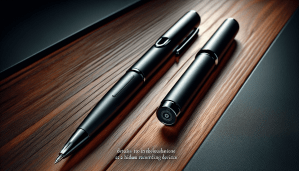
When choosing a recording device for discreet purposes, consider devices that are inconspicuous and easily blend into the background. Covert recording devices come in many forms, such as pens, USB flash drives, or even small cameras. Research and invest in devices that suit your specific needs and ensure your ability to record unnoticed.
Consider the audio quality
Audio quality is a crucial factor when recording discreetly. While covert devices may not match the audio quality of professional recording equipment, it’s important to choose devices that offer clear audio representations without distorted or muffled sounds. Test different devices and read reviews to find ones that meet your expectations for audio quality.
Evaluate the battery life
Long-lasting battery life is essential for extended recordings. Look for devices with efficient power consumption that can last as long as your recording needs. Nothing is more frustrating than a dying battery in the midst of capturing vital information. Consider devices with rechargeable batteries or options for external power sources to prolong recording sessions.
Check the storage capacity
Having sufficient storage is crucial to avoid losing important recordings. Determine how much storage you may need based on the length and frequency of your recordings. Look for devices with expandable memory options or consider cloud storage solutions to ensure you never run out of space for your recordings.
Hiding Places for Recording Devices
Inconspicuous objects
One way to discreetly place recording devices is by using everyday objects that do not arouse suspicion. Items such as desk clocks, wall clocks, or picture frames can be modified to conceal recording devices effectively. Be creative and think about objects that would naturally blend into the environment where you intend to record.
Camouflaged items
For even greater concealment, consider using recording devices that are designed to look like ordinary items. Covert cameras hidden in smoke detectors, motion sensor lights, or even potted plants can capture both audio and video without drawing attention. Explore the wide range of camouflaged devices available to find the perfect fit for your recording needs.
Strategic placement
Regardless of the type of recording device you use, strategic placement is key to capture high-quality audio. Consider the proximity to the sound source and the potential background noise that may affect the recording. Experiment with different locations and angles to find the ideal placement that ensures optimal audio capture while maintaining discretion.
Recording Techniques for Different Environments
Recording in an office setting
When recording in an office setting, it’s essential to be mindful of privacy laws and ethical considerations. Find opportunities to discreetly place your recording device in areas where conversations frequently occur, such as meeting rooms, common areas, or even near co-workers’ desks. Remember to respect the privacy rights of others and use your recordings responsibly.
Recording in a home environment
In-home recording can be relevant for various reasons, such as monitoring babysitters or capturing important conversations. Place your recording device in inconspicuous areas, such as bookshelves, decorations, or even within electronic devices. Be sure to follow the legal guidelines concerning recording in private spaces and obtain consent when necessary.
Recording in public places
Recording conversations in public places can be trickier due to potential legal restrictions and privacy concerns. In many jurisdictions, recording conversations in public is generally allowed as long as individuals do not have a reasonable expectation of privacy. Ensure you are aware of the specific laws in your jurisdiction and focus on capturing audio in crowded areas without intruding on people’s personal privacy.
Audio Settings and Adjustments
Using the right microphone
The quality of your microphone greatly impacts the clarity and range of audio you can capture. Consider using external microphones that can be connected to your recording device to enhance audio quality. Directional microphones can help isolate the sound source and reduce unwanted background noise. Experiment with different microphone options to find the best fit for your recording needs.
Adjusting the recording volume
To ensure optimal audio quality, adjust your recording volume based on the environment and the distance to the sound source. Too high of a volume can result in distorted or clipped audio, while a volume set too low may result in barely audible recordings. Regularly test and adjust the recording volume to find the ideal balance for clear and accurate audio capture.
Reducing background noise
Background noise can significantly impact the quality of your recordings. Minimize ambient noise by selecting an appropriate recording location and using noise-cancelling features if available. Additionally, consider post-processing options such as noise reduction filters or audio editing software to further enhance the clarity of your recordings.
Monitoring and Remote Access
Live monitoring options
Some recording devices offer live monitoring capabilities, allowing you to listen to the audio in real-time. This feature can be useful when you need immediate feedback on the audio quality or when you want to ensure that the recording is capturing the desired information. Explore devices with live monitoring options to have better control over your recording sessions.
Remote access through an internet connection
With advancements in technology, many recording devices now offer remote access through an internet connection. This allows you to access and manage your recordings remotely, providing convenience and flexibility. Whether you are across the street or miles away, you can review and control your recordings without physically accessing the devices.
Securing and Storing Recordings
Protecting the recorded files
Once you have completed your recordings, it’s crucial to protect the files from accidental deletion or unauthorized access. Make backup copies of your recordings and store them in secure locations. Consider password-protecting or encrypting the files to prevent unauthorized access. Treat the recorded files with the same level of importance as any other sensitive information.
Encrypting sensitive recordings
If your recordings contain particularly sensitive or confidential information, consider encrypting the files. Encryption adds an extra layer of security, ensuring that only authorized individuals can access and decipher the recordings. Explore encryption software or devices designed specifically for securing audio files to safeguard your sensitive recordings.
Choosing a secure storage method
Selecting a secure storage method is essential to prevent loss or unauthorized access to your recordings. Cloud storage services with strong encryption and authentication protocols offer convenient, off-site storage options. Alternatively, physical storage devices like encrypted external hard drives or USB flash drives can provide added security. Assess your needs and choose a storage method that aligns with your security requirements.

Transcription and Analysis
Manual transcription methods
Transcribing recorded conversations manually can be time-consuming but offers precise control over the accuracy of the transcript. Listen to the recordings carefully, transcribe the audio verbatim, and proofread the transcript for any errors. Manual transcription can be a labor-intensive process but may be necessary when precise verbatim transcriptions are required.
Automatic transcription software
Automatic transcription software can significantly expedite the transcription process. These software solutions use advanced algorithms to convert speech into text automatically. While the accuracy may vary, automatic transcription can provide a foundation that allows for easier editing and proofreading. Explore different transcription software options and find one that suits your needs and budget.
Analyzing and interpreting recorded data
Once you have transcribed your recordings, analyzing and interpreting the data can be a valuable step. Look for patterns, keywords, or specific information that may be relevant to your purpose for recording. Take notes, create summaries, or highlight crucial points to aid in organizing and understanding the recorded information. Remember to respect privacy and confidentiality as you analyze and interpret the data.
Ethics and Privacy Concerns
Consider the moral implications
Discreet recording raises important ethical questions. Reflect on the potential consequences of your actions and the impact they may have on those involved. Ensure that your reasons for recording are justifiable and consider alternative options when possible. Always prioritize honesty, respect, and integrity in your decision-making process.
Respecting privacy rights
Privacy rights are fundamental, and it’s crucial to respect them when engaging in discreet recording. Understand the legal boundaries and obtain consent when required. Only record in situations where there is a legitimate need and avoid capturing private or personal conversations without proper authorization. Respect the privacy rights of others and handle the recorded information responsibly and ethically.
At the end of this comprehensive guide on discreet recording techniques, you should have a solid understanding of the legal considerations, equipment selection, hiding places for recording devices, recording techniques for different environments, audio settings and adjustments, monitoring and remote access, securing and storing recordings, transcription and analysis, as well as the ethics and privacy concerns associated with discreet recording. Armed with this knowledge, you can navigate discreet recording scenarios responsibly, ensuring that you uphold the law, respect privacy, and use recorded information ethically.