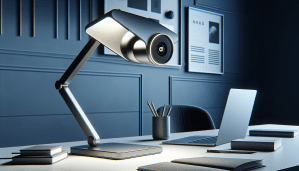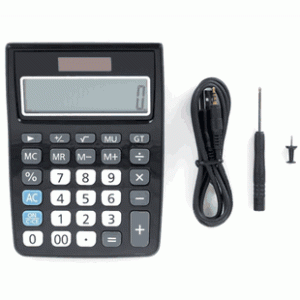

Welcome to the eye-opening world of “Invisible Eavesdropping: Unmasking the Hidden Audio Recorder.” In this article, you will explore the prevalence of hidden audio recorders in everyday objects and learn how to detect these surreptitious devices. Discover the potential risks of being unknowingly recorded and empower yourself with knowledge on how to protect your privacy from unseen eavesdroppers. Stay vigilant and informed as we delve into the realm of hidden audio recording technology.
Invisible Eavesdropping: Unmasking the Hidden Audio Recorder
Have you ever had the feeling that someone might be listening in on your conversations without your knowledge? It’s a chilling thought, but with the advancements in technology, it’s become easier for individuals to secretly record audio without being detected. In this article, we will delve into the world of hidden audio recorders, how they work, and most importantly, how you can detect and protect yourself from potential eavesdropping.

What is a Hidden Audio Recorder?
Hidden audio recorders, also known as bug recorders or covert listening devices, are small devices designed to surreptitiously record audio without the knowledge of those being recorded. These devices come in various shapes and sizes, making them easy to conceal in everyday objects such as pens, USB drives, or even clothing. They are often used for surveillance purposes, espionage, or even by individuals seeking to eavesdrop on private conversations.
Hidden audio recorders can be as inconspicuous as a pen or USB drive, making them difficult to detect.
How Do Hidden Audio Recorders Work?
Hidden audio recorders function similarly to regular voice recorders, but with the added element of stealth. These devices typically include a microphone to capture sound, a storage unit to save the recorded audio, and a battery to power the device. Some more advanced models can transmit the recorded audio wirelessly to a receiver located elsewhere, allowing the eavesdropper to listen in remotely.
Understanding how hidden audio recorders work is crucial in detecting and protecting yourself from potential eavesdropping.
Where Are Hidden Audio Recorders Often Found?
Hidden audio recorders can be hidden in various everyday objects, making them difficult to detect with the naked eye. Common objects that may conceal a hidden audio recorder include:
- Pens
- USB drives
- Wall chargers
- Clocks
- Smoke detectors
- Picture frames
By being aware of where hidden audio recorders are commonly found, you can better safeguard your privacy and security.
Detecting Hidden Audio Recorders
Detecting hidden audio recorders can be challenging, as these devices are designed to be discreet. However, there are several methods you can use to identify and locate hidden audio recorders in your surroundings. Some common techniques include:
-
Physical Inspection: Conduct a thorough visual search of your environment, paying close attention to any objects that seem out of place or have unusual features such as small holes or cameras.
-
Radio Frequency (RF) Detectors: RF detectors are electronic devices that can detect the presence of wireless signals emitted by hidden audio recorders. By scanning the area with an RF detector, you can identify any transmitting devices that may be present.
-
Signal Interference: Hidden audio recorders may cause interference with other electronic devices in close proximity. If you notice unusual static or buzzing sounds coming from electronics, it could be a sign of a hidden recording device.
By using these detection methods, you can increase your chances of uncovering hidden audio recorders and protecting your privacy.
Protecting Yourself from Eavesdropping
In today’s digital age, protecting yourself from potential eavesdropping has become increasingly important. Whether you’re concerned about corporate espionage, government surveillance, or personal privacy, taking steps to safeguard your conversations and information is essential. Here are some tips to help protect yourself from eavesdropping:
-
Secure Your Environment: Be mindful of your surroundings and take steps to secure your environment to prevent unauthorized access. This may include installing security cameras, using encryption for your communications, and being cautious about sharing sensitive information.
-
Use Encryption: Encrypting your communications can help protect your conversations from being intercepted and recorded. Use secure messaging apps and email services that offer end-to-end encryption to ensure your privacy.
-
Regularly Sweep for Bugs: Conduct regular security sweeps of your home, office, or vehicle to check for hidden audio recorders. Use RF detectors and other surveillance detection tools to identify any potential threats.
-
Educate Yourself: Stay informed about the latest eavesdropping techniques and technologies to better protect yourself from potential threats. Be aware of the signs of eavesdropping and take proactive measures to mitigate risks.
By following these tips, you can take proactive steps to protect yourself from eavesdropping and maintain your privacy in an increasingly connected world.
Conclusion
Invisible eavesdropping through hidden audio recorders poses a serious threat to personal privacy and security. By understanding how these devices work, where they are often found, and how to detect and protect yourself from them, you can mitigate the risks of unauthorized surveillance. Stay vigilant, stay informed, and take proactive measures to safeguard your conversations and information from potential eavesdroppers. Remember, your privacy is worth protecting.