
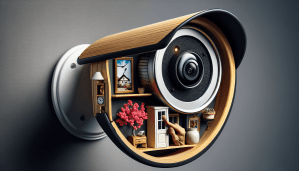
Welcome to “Behind Closed Doors: A Closer Look at Spy Cameras”. Have you ever thought about the possibility of being watched without your knowledge? This article will delve into the world of spy cameras, exploring how they work, where they are commonly used, and what measures you can take to protect your privacy. Stay informed and stay safe! Have you ever wondered if there are hidden spy cameras watching your every move without your knowledge? What are spy cameras, and how do they work? Let’s take a closer look at this covert surveillance technology to understand its capabilities and implications.

Understanding Spy Cameras
Spy cameras, also known as hidden cameras or covert cameras, are devices designed to capture video or images of people or places without their knowledge. These cameras are often used for surveillance or security purposes to monitor activities discreetly. While some spy cameras are used for legitimate reasons, such as home security or childcare monitoring, others can be used for malicious intent, such as invasion of privacy or espionage.
Types of Spy Cameras
There are various types of spy cameras available on the market, each designed for specific purposes and environments. Some common types of spy cameras include:
-
Miniature Cameras: Small in size and easy to conceal, miniature cameras are often used in covert surveillance operations.
-
Hidden Cameras: These cameras are disguised as everyday objects such as clocks, pens, or picture frames to blend seamlessly into the surroundings.
-
Wireless Cameras: Wireless spy cameras transmit video or images to a receiver without the need for cables, making them easy to set up and conceal.
-
Body-Worn Cameras: Body-worn spy cameras are worn by individuals to capture video footage from a first-person perspective.
How Do Spy Cameras Work?
Spy cameras operate using a combination of advanced technology and covert design to capture video or images discreetly. These cameras are equipped with lenses, sensors, processors, and storage capabilities to record and store footage. The working principle of spy cameras involves the following steps:
-
Capture: The camera lens captures light and converts it into an electrical signal.
-
Processing: The camera processor processes the electrical signal to generate a digital image or video.
-
Storage: The footage is stored on internal memory or external storage devices, such as SD cards or cloud storage.
-
Transmission: Wireless spy cameras transmit the video or images to a receiver or remote device for monitoring.
Components of Spy Cameras
Spy cameras consist of the following essential components that enable them to function effectively:
| Component | Description |
|---|---|
| Camera Lens | Captures light and focuses it onto the sensor. |
| Image Sensor | Converts light into electrical signals. |
| Processor | Processes the electrical signals to generate a digital image or video. |
| Storage | Stores the recorded footage for future viewing or analysis. |
| Wireless Transmitter | Transmits video or images wirelessly to a receiver or remote device. |
Legal and Ethical Considerations
When it comes to the use of spy cameras, there are legal and ethical considerations that individuals must be aware of to avoid violating privacy rights or laws. It is essential to understand the following aspects before deploying spy cameras:
Privacy Laws
In many countries, there are strict privacy laws that regulate the use of spy cameras in public or private spaces. These laws aim to protect individuals’ privacy rights and prevent unauthorized surveillance. It is crucial to familiarize yourself with the legal restrictions and guidelines related to the use of spy cameras to avoid legal consequences.
Consent
Obtaining consent from individuals before recording them with a spy camera is crucial to ensure compliance with privacy laws and ethical standards. Without consent, the use of spy cameras may be considered unlawful surveillance and a violation of privacy rights.
Purpose
Using spy cameras for legitimate purposes, such as security monitoring or workplace surveillance, is generally acceptable as long as it complies with legal and ethical standards. However, using spy cameras for malicious intent, such as voyeurism or spying, is illegal and unethical.
Disclosure
In some situations, it may be necessary to disclose the presence of spy cameras to inform individuals that they are being monitored. This can help maintain transparency and trust while ensuring that privacy rights are respected.
Applications of Spy Cameras
Spy cameras have a wide range of applications in various industries and settings, offering discreet surveillance solutions for different purposes. Some common applications of spy cameras include:
Home Security
Spy cameras can be used to monitor and secure residential properties, providing homeowners with real-time video surveillance of their homes and surroundings. These cameras can help deter intruders, prevent theft, and enhance overall security.
Business Surveillance
In a business environment, spy cameras are often used to monitor employees, prevent theft or fraud, and enhance workplace security. These cameras can be installed in strategic locations such as cash registers, warehouses, or offices to oversee activities discreetly.
Law Enforcement
Law enforcement agencies use spy cameras for covert operations, undercover investigations, or surveillance of criminal activities. These cameras play a crucial role in gathering evidence, monitoring suspects, and ensuring public safety.
Personal Safety
Individuals can use spy cameras for personal safety, such as recording encounters with law enforcement, documenting incidents of harassment or abuse, or capturing evidence of wrongdoing. Body-worn cameras can provide valuable footage in case of emergencies or disputes.

Tips for Detecting Spy Cameras
With the increasing prevalence of spy cameras in public spaces, hotels, rental properties, and even private residences, it is essential to know how to detect these hidden devices to protect your privacy. Here are some tips for detecting spy cameras:
-
Visual Inspection: Conduct a visual inspection of the area for any unusual objects or items that might contain hidden cameras, such as smoke detectors, teddy bears, or electrical outlets.
-
RF Detector: Use a radio frequency (RF) detector to scan for wireless spy cameras that transmit signals. These devices can detect radio frequencies emitted by wireless cameras within a specific range.
-
Check for Reflections: Look for reflections or glimmers of light that could indicate the presence of a camera lens. Mirrors, glass surfaces, or shiny objects may reveal hidden cameras.
-
Use a Flashlight: Shine a flashlight around the room or area to search for hidden cameras that may reflect light. Check behind curtains, furniture, or other objects where cameras could be concealed.
-
Listen for Signals: Some spy cameras emit faint sounds or signals that can be detected using a sound amplifier or acoustic detector. Listen for any unusual noises that might indicate a hidden camera nearby.
Conclusion
Spy cameras are powerful surveillance tools that offer discreet monitoring capabilities for various applications. Understanding how spy cameras work, their legal and ethical implications, and tips for detecting these hidden devices can help individuals protect their privacy and security. By being informed and vigilant, you can safeguard your personal information and ensure that your privacy rights are respected even behind closed doors.