
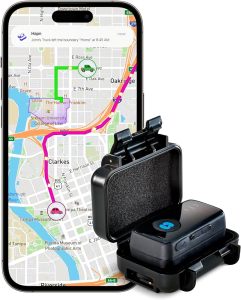
We recently found ourselves concerned about the possibility of GPS trackers being placed on our vehicle without our knowledge. After doing some research, we discovered some simple methods to detect these trackers. In this article, we will share with you some easy ways to check for GPS trackers on your vehicle and provide tips on what to do if you find one. This information will help us all feel more secure and in control of our privacy while driving. Hey, have you ever wondered if someone has placed a GPS tracker on your vehicle without your knowledge? Well, you’re not alone. We’re here to help you understand how to detect GPS trackers on your vehicle so you can ensure your privacy and security. Let’s dive right in!

Understanding GPS Trackers
GPS trackers are small devices that use Global Positioning System technology to track the location of a vehicle. These devices can be easily hidden in or on your vehicle, allowing someone to monitor your movements without your consent.
How GPS Trackers Work
GPS trackers use satellites to pinpoint the location of a vehicle in real-time. The data collected by the tracker is then transmitted to a receiver, which can be accessed by the person who placed the tracker. This allows them to track the vehicle’s location, speed, and even the routes taken.
Signs of a GPS Tracker
Now that you understand how GPS trackers work, let’s look at some common signs that may indicate that a tracker has been placed on your vehicle.
Unusual or Suspicious Wiring
If you notice any unfamiliar wires or cables under the dashboard, seats, or in the trunk of your vehicle, it could be a sign that a GPS tracker has been installed. GPS trackers require power to operate, so they may be connected to the vehicle’s electrical system.
Strange Beeping Noises
GPS trackers are often programmed to emit beeping noises at regular intervals to let the person who placed the tracker know that it is still operational. If you hear any strange beeping noises coming from your vehicle, it could be a sign that a tracker is present.
Sudden Battery Drain
Since GPS trackers require power to operate, they can cause a sudden drain on your vehicle’s battery. If you notice that your battery is draining faster than usual, it may be a sign that a tracker is drawing power from it.
Suspicious Objects Attached to Your Vehicle
If you find any suspicious-looking objects attached to your vehicle, such as small boxes or magnetic discs, it could be a physical GPS tracker. These devices are often designed to be discreet and can be easily hidden on or under the vehicle.
How to Detect GPS Trackers
If you suspect that a GPS tracker has been placed on your vehicle, there are several methods you can use to detect and remove it. Let’s explore some of the most effective techniques.
Visual Inspection
The first step in detecting a GPS tracker is to visually inspect your vehicle for any signs of tampering. Check under the dashboard, seats, and in the trunk for any unfamiliar wires, cables, or objects. Look for any suspicious devices that could be a GPS tracker.
Use a GPS Tracker Detector
GPS tracker detectors are handheld devices that can help you locate hidden GPS trackers in your vehicle. These detectors can detect the radio frequencies emitted by GPS trackers and alert you to their presence. Simply sweep the detector around your vehicle to pinpoint the tracker’s location.
Hire a Professional Sweep
If you’re not comfortable conducting the inspection yourself, you can hire a professional sweep to detect GPS trackers on your vehicle. These professionals have specialized equipment and expertise in locating and removing hidden trackers. They can thoroughly inspect your vehicle and ensure that no trackers are present.
Conduct Regular Inspections
To stay ahead of potential threats to your privacy and security, make it a habit to conduct regular inspections of your vehicle for GPS trackers. Check for any suspicious signs, such as strange wiring or objects, at least once a month to ensure that your vehicle is free of trackers.
Removing GPS Trackers
If you have detected a GPS tracker on your vehicle, it’s crucial to remove it as soon as possible to protect your privacy and security. Here’s how you can safely remove a GPS tracker from your vehicle.
Disconnect the Power Source
The first step in removing a GPS tracker is to disconnect the power source. This may involve cutting wires, removing batteries, or disabling the device’s connection to the vehicle’s electrical system. Ensure that the tracker is no longer receiving power before proceeding with its removal.
Locate the Tracker
Once you have disconnected the power source, locate the GPS tracker in your vehicle. It may be hidden under the dashboard, seats, or in the trunk. Use a flashlight to carefully inspect these areas and look for any suspicious devices that could be the tracker.
Remove the Tracker
To remove the GPS tracker, carefully disconnect it from its mounting location and detach any wires or cables connected to it. Be mindful of any alarms or security measures that the tracker may have in place to prevent tampering. Once the tracker has been safely removed, dispose of it properly to prevent any further tracking.
Check for Additional Trackers
After removing the GPS tracker, conduct a thorough inspection of your vehicle to check for any additional trackers that may have been installed. Repeat the detection methods mentioned earlier to ensure that your vehicle is entirely free of any tracking devices.
Protecting Your Vehicle from GPS Trackers
Now that you’ve learned how to detect and remove GPS trackers from your vehicle, here are some tips to help you protect your vehicle from future tracking attempts.
Secure Your Vehicle
Always park your vehicle in secure and well-lit areas to minimize the risk of someone tampering with it. Invest in a reliable alarm system and consider using physical deterrents, such as steering wheel locks or wheel clamps, to deter potential intruders.
Conduct Routine Checks
Make it a habit to conduct routine checks of your vehicle for any signs of tampering or suspicious activity. Regularly inspect the exterior and interior of your vehicle for any unfamiliar objects that may be GPS trackers.
Install Anti-Tracking Devices
Consider installing anti-tracking devices in your vehicle to prevent unauthorized GPS tracking. These devices can jam GPS signals, making it difficult for trackers to locate your vehicle. Consult with a professional to determine the best anti-tracking solution for your needs.
Stay Informed
Stay up-to-date on the latest developments in GPS tracking technology and security measures. Educate yourself on the risks of GPS tracking and how to protect your privacy and security. By staying informed, you can better safeguard your vehicle from potential threats.
Conclusion
In conclusion, detecting GPS trackers on your vehicle is essential to protecting your privacy and security. By understanding how GPS trackers work, recognizing the signs of a tracker, and following the steps to detect and remove them, you can ensure that your vehicle remains free of unwanted tracking devices. Remember to stay vigilant and conduct regular inspections to safeguard your vehicle against potential threats. Stay safe out there!