
In today’s digital age where privacy is more valuable than ever, it’s important to be mindful of how to protect your personal information during confidential conversations. Whether you’re discussing sensitive matters over the phone, in person, or through messaging apps, there are simple yet effective steps you can take to safeguard your privacy. By following these tips, you can ensure that your confidential conversations remain just that – confidential. How often do you find yourself having confidential conversations that you wish would remain private? Whether it’s discussing sensitive work matters, private personal concerns, or confidential information, it’s important to ensure that your privacy is protected during these discussions. In this article, we’ll discuss various strategies and techniques you can utilize to safeguard your privacy during confidential conversations.

Understanding the Importance of Privacy in Confidential Conversations
Privacy is a fundamental human right that allows individuals to maintain control over their personal information and protect it from unauthorized access. When it comes to confidential conversations, the need for privacy becomes even more critical, as the information being discussed is sensitive and should not be shared with others without permission.
As you navigate through different conversations in your personal and professional life, it’s essential to prioritize your privacy and take proactive steps to safeguard your confidential information. By doing so, you can prevent unauthorized individuals from eavesdropping, intercepting, or accessing your private conversations.
Assessing the Risks of Breaching Your Privacy
Before delving into the strategies for protecting your privacy during confidential conversations, it’s important to understand the potential risks associated with breaching your privacy. Whether it’s corporate espionage, government surveillance, or simply nosy individuals trying to listen in on your conversations, the risks are real and should not be underestimated.
When your privacy is compromised during confidential conversations, there can be severe consequences, such as leaked sensitive information, damaged trust, violated confidentiality agreements, or even legal ramifications. By being aware of these risks, you can better prepare yourself to take proactive measures to protect your privacy.

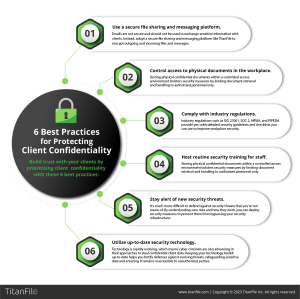
This image is property of http://www.titanfile.com.
Choosing the Right Location for Confidential Conversations
One of the most critical factors in safeguarding your privacy during confidential conversations is selecting the right location for the discussion. When choosing a location, consider the following factors:
- Physical Privacy: Ensure that the location is free from potential eavesdroppers or surveillance cameras that can capture your conversation.
- Acoustic Privacy: Select a quiet and secluded area where external noise will not interfere with your conversation.
- Visual Privacy: Opt for a location with minimal visibility from outside, such as closed doors or curtains, to prevent others from seeing or recording your discussion.
Whether you’re meeting in person or having a virtual conversation, it’s crucial to prioritize privacy and choose a location that minimizes the risk of unauthorized access to your confidential information.
Implementing Secure Communication Channels
In addition to selecting a secure location for your confidential conversations, it’s essential to utilize secure communication channels to prevent unauthorized access to your information. When communicating with others, consider the following options for securing your conversations:
- End-to-End Encryption: Use messaging apps or email services that offer end-to-end encryption to protect the privacy of your messages.
- Secure Phone Lines: If you’re having a phone conversation, ensure that the line is secure and cannot be easily intercepted by third parties.
- Virtual Private Networks (VPNs): When communicating online, use a VPN to encrypt your internet connection and protect your data from potential snoopers.
By implementing these secure communication channels, you can add an extra layer of protection to your confidential conversations and ensure that your information remains private.

This image is property of http://www.shredit.co.uk.
Setting Boundaries and Establishing Trust
Another crucial aspect of protecting your privacy during confidential conversations is setting boundaries with the individuals you’re communicating with and establishing trust in the relationship. It’s important to communicate your expectations regarding privacy and confidentiality to ensure that the other party respects your wishes.
When engaging in confidential discussions, make it clear to the other person that the information being shared is private and should not be disclosed to others without your consent. By setting these boundaries upfront and building trust with the other party, you can create a safe space for open and honest conversations while safeguarding your privacy.
Maintaining Awareness of Your Surroundings
In addition to selecting a secure location and utilizing secure communication channels, it’s essential to maintain awareness of your surroundings during confidential conversations. Pay attention to the following factors to minimize the risk of privacy breaches:
- Physical Security: Be mindful of who is in the vicinity and take precautions to prevent unauthorized individuals from overhearing your conversation.
- Electronic Devices: Keep an eye out for potential recording devices or hidden cameras that may compromise the privacy of your discussion.
- Online Presence: Be cautious about sharing sensitive information online or over social media platforms, as this can leave a digital trail that others can exploit.
By staying aware of your surroundings and taking proactive measures to protect your privacy, you can minimize the risk of unauthorized access to your confidential information.
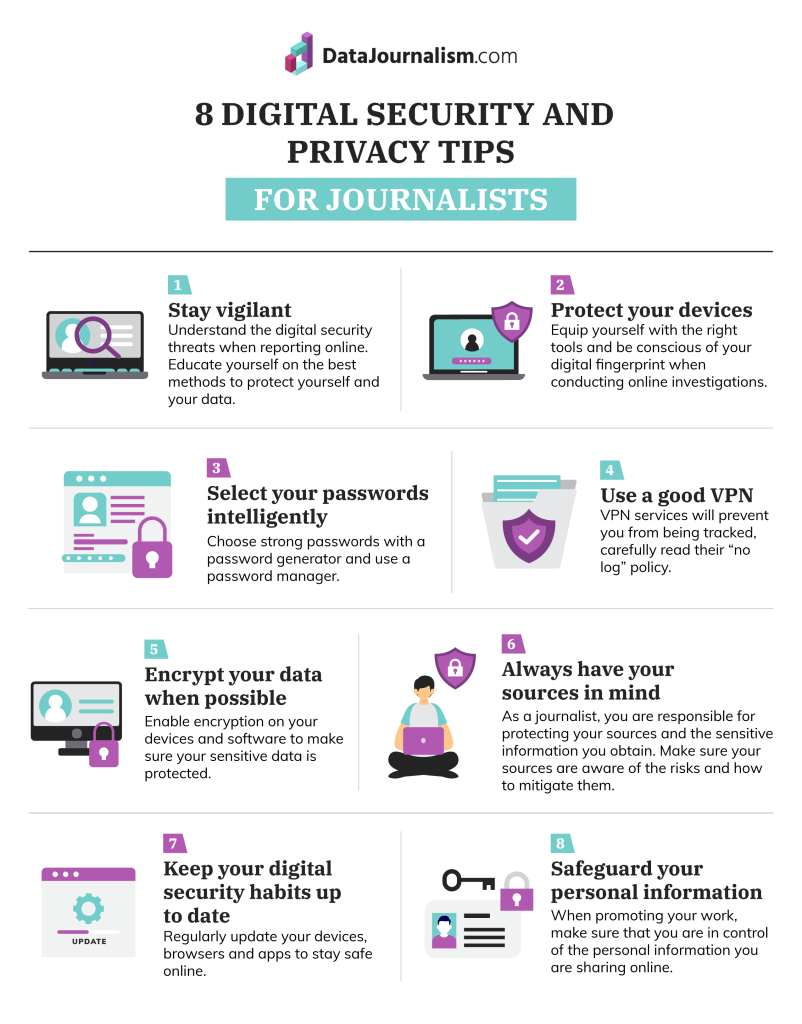
This image is property of s3.eu-central-1.amazonaws.com.
Utilizing Secure Messaging Apps and Encryption Tools
When communicating with others in a digital format, such as through messaging apps or email, it’s crucial to utilize secure messaging apps and encryption tools to protect your privacy. Consider the following options for securing your digital conversations:
- Signal: Signal is a popular messaging app that offers end-to-end encryption for secure and private conversations.
- ProtonMail: ProtonMail is an encrypted email service that prioritizes user privacy and security, making it an excellent choice for confidential communication.
- Telegram: Telegram is another messaging app that offers secure communication features, including secret chats with self-destructing messages.
By leveraging these secure messaging apps and encryption tools, you can enhance the privacy of your digital conversations and prevent unauthorized access to your confidential information.
Being Mindful of Information Sharing Practices
In today’s digital age, it’s easy to inadvertently share sensitive information without realizing the potential consequences. When engaging in confidential conversations, be mindful of the following information sharing practices to protect your privacy:
- Be Selective: Only share confidential information with individuals you trust and who have a legitimate need-to-know.
- Use Discretion: Avoid discussing sensitive topics in public or insecure environments where others may overhear your conversation.
- Secure Your Devices: Use passwords, PINs, and biometric authentication to secure your devices and prevent unauthorized access to your information.
By practicing mindful information sharing and exercising caution when discussing confidential matters, you can minimize the risk of privacy breaches and protect your sensitive information.

This image is property of us.norton.com.
Understanding Legal and Ethical Obligations
In certain professions and industries, individuals are bound by legal and ethical obligations to maintain the confidentiality of sensitive information. Whether it’s healthcare providers protecting patient data or lawyers upholding client confidentiality, it’s crucial to understand your legal and ethical obligations regarding privacy.
If you’re unsure about your legal responsibilities when it comes to protecting privacy during confidential conversations, seek guidance from legal experts or industry professionals to ensure that you’re in compliance with relevant regulations and guidelines. By understanding and adhering to your legal and ethical obligations, you can protect your privacy and avoid potential repercussions for privacy breaches.
Seeking Professional Guidance and Support
In some cases, you may require professional guidance and support to protect your privacy during confidential conversations. Whether it’s consulting with privacy experts, hiring cybersecurity professionals, or seeking legal advice, don’t hesitate to reach out for help when needed.
By seeking professional guidance and support, you can gain valuable insights into best practices for safeguarding your privacy and receive expert assistance in implementing security measures to protect your confidential information. Remember that it’s always better to be proactive and seek assistance from professionals who can help you navigate the complexities of privacy protection.

This image is property of 21stcenturyav.com.
Conclusion
As you navigate through various confidential conversations in your personal and professional life, it’s essential to prioritize your privacy and take proactive steps to safeguard your confidential information. By understanding the risks of privacy breaches, choosing secure locations, utilizing secure communication channels, setting boundaries, and maintaining awareness of your surroundings, you can protect your privacy during confidential conversations.
Remember to leverage secure messaging apps and encryption tools, practice mindful information sharing, understand legal and ethical obligations, and seek professional guidance and support when necessary. By following these strategies and techniques, you can maintain control over your personal information, protect your privacy, and ensure that your confidential conversations remain confidential. Prioritize your privacy, and empower yourself to have open and honest discussions while safeguarding your sensitive information.