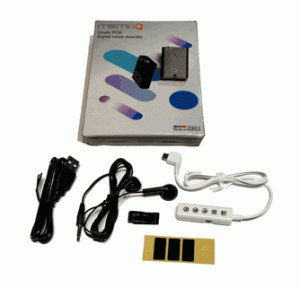

When it comes to having sensitive discussions, ensuring privacy is crucial. There’s nothing worse than feeling exposed or vulnerable while sharing personal information. That’s why I’ve come up with 7 tips to help protect your privacy during confidential conversations. From choosing the right location to securing your devices, these tips will give you peace of mind when discussing sensitive topics. No one likes feeling like their privacy is at risk, so follow these guidelines to keep your private conversations truly private. Have you ever found yourself in a situation where you needed to have a private, sensitive discussion but weren’t sure how to ensure your privacy? I certainly have, and it can be quite stressful. Whether you’re discussing personal matters with a friend or having a confidential conversation at work, it’s essential to take precautions to protect your privacy. In this article, I’ll share seven tips for ensuring privacy during sensitive discussions. These tips have helped me navigate various situations where confidentiality was crucial, and I believe they will be useful for you too. Let’s dive in!

Understand the Importance of Privacy
Privacy is a fundamental human right that allows us to freely express ourselves and maintain our dignity. It is crucial for building trust in relationships, protecting sensitive information, and maintaining personal boundaries. Whether you’re discussing personal matters, sensitive work issues, or confidential information, ensuring privacy is essential to maintain trust and respect.
The Impact of Breached Privacy
Imagine sharing personal details with a friend only to have them spread that information to others without your consent. Or discussing a sensitive work matter in a public setting only to have it overheard by colleagues. The impact of breached privacy can be devastating, leading to broken trust, damaged relationships, and potential legal repercussions. Understanding the consequences of breached privacy can help you appreciate the importance of safeguarding confidential information.
Choose the Right Environment
Selecting the appropriate environment for your sensitive discussion is crucial to ensuring privacy. Avoid having confidential conversations in public places, crowded spaces, or areas with thin walls that can easily be overheard. Choose a quiet, private location where you can speak freely without fear of eavesdropping or interruptions.
Ideal Environments for Privacy
When choosing an environment for a sensitive discussion, consider locations such as:
- Private meeting rooms
- Your home or a friend’s home
- Enclosed outdoor spaces
- Empty conference rooms
Selecting the right environment sets the stage for a confidential conversation and minimizes the risk of privacy breaches.
Check for Listening Devices
In today’s digital age, electronic surveillance and listening devices are becoming increasingly common. It’s essential to be diligent and check for any potential listening devices that may compromise the privacy of your conversation. Look out for hidden cameras, microphones, or recording devices that could be used to capture your discussions without your knowledge.
Detecting Listening Devices
To check for listening devices, you can:
- Sweep the room with a bug detector
- Look for suspicious wires or objects
- Disable Wi-Fi and Bluetooth connections during sensitive discussions
- Be cautious of unfamiliar items in the room
Taking proactive measures to detect listening devices can help safeguard your privacy and ensure that your sensitive discussions remain confidential.
Set Ground Rules and Boundaries
Establishing clear ground rules and boundaries before starting a sensitive discussion can help ensure that all parties understand the importance of privacy and confidentiality. Clearly communicate your expectations regarding the handling of sensitive information, the level of confidentiality required, and the consequences of breaching privacy.
Key Ground Rules for Sensitive Discussions
Some essential ground rules for maintaining privacy during sensitive discussions include:
- Not sharing sensitive information with third parties without permission
- Keeping sensitive conversations strictly confidential
- Respecting each other’s privacy boundaries
- Seeking consent before recording or sharing any information
Setting ground rules and boundaries creates a framework for a respectful and confidential conversation while protecting the privacy of all parties involved.
Use Nonverbal Cues to Signal Privacy
In situations where verbal communication might not be possible, using nonverbal cues to signal privacy can be a helpful tool. Nonverbal cues can convey important messages about the need for confidentiality, set boundaries around sensitive discussions, and indicate when privacy breaches are occurring.
Effective Nonverbal Cues for Privacy
Some effective nonverbal cues for signaling privacy include:
- Maintaining eye contact to indicate the seriousness of the discussion
- Speaking in a lower tone or whispering to convey confidentiality
- Using gestures to signal the need for privacy or discretion
- Pausing the discussion when privacy is compromised and addressing the issue
By using nonverbal cues effectively, you can communicate the importance of privacy during sensitive discussions without explicitly stating it.
Limit Digital Footprints
In today’s digital world, it’s essential to be mindful of the information you share online and the digital footprints you leave behind. Limiting your digital footprints can help protect your privacy, reduce the risk of data breaches, and prevent unauthorized access to sensitive information.
Ways to Limit Digital Footprints
To limit your digital footprints and protect your privacy, you can:
- Avoid sharing sensitive information on social media platforms
- Use secure messaging apps for confidential communication
- Enable two-factor authentication for your online accounts
- Regularly update your privacy settings on websites and mobile apps
Taking steps to limit your digital footprints can help safeguard your privacy and prevent unauthorized access to your personal information during sensitive discussions.
Seek Professional Help When Needed
If you’re dealing with highly sensitive issues, legal matters, or require professional guidance, don’t hesitate to seek help from experts in privacy protection and confidentiality. Professionals such as lawyers, counselors, therapists, and privacy consultants can offer valuable insights, guidance, and support to ensure your privacy during sensitive discussions.
When to Seek Professional Help
Consider seeking professional help when:
- Discussing legal matters or sensitive contracts
- Handling personal or sensitive information that requires confidentiality
- Dealing with emotional or psychological issues that require professional assistance
- Requiring expert advice on privacy protection and data security
Seeking professional help when needed can provide you with the necessary expertise and support to navigate sensitive discussions while maintaining your privacy.
Conclusion
Ensuring privacy during sensitive discussions is essential for protecting confidential information, maintaining trust in relationships, and upholding personal boundaries. By understanding the importance of privacy, choosing the right environment, checking for listening devices, setting ground rules, using nonverbal cues, limiting digital footprints, and seeking professional help when needed, you can navigate sensitive conversations with confidence and confidentiality. Remember that safeguarding your privacy is a fundamental right, and taking proactive steps to protect it demonstrates respect for yourself and others. By following these seven tips, you can ensure your privacy during confidential discussions and uphold the integrity of your relationships and personal information. Stay vigilant, communicate openly, and prioritize privacy in all your interactions to create a safe and trustworthy environment for sensitive discussions.