
Introduction
Have you ever wondered how covert cameras work? In this article, you will learn all about using covert cameras effectively. From placement to maintenance, we’ve got you covered!

What Are Covert Cameras?
Covert cameras, also known as hidden cameras or spy cameras, are discreetly placed surveillance cameras that are designed to blend in with their surroundings. They are often used for security purposes, investigations, or simply for discreetly monitoring an area.
Types of Covert Cameras
There are several types of covert cameras available on the market, each with its unique features and uses. Some popular types include:
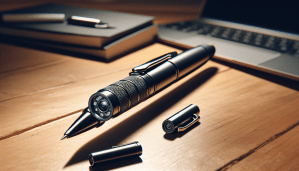
- Mini Cameras: Small and compact cameras that can be easily hidden in everyday objects such as pens, buttons, or clocks.
- Wireless Cameras: Cameras that can transmit video and audio signals wirelessly to a receiver, allowing for remote monitoring.
- IP Cameras: Cameras that connect to the internet, enabling users to access live footage from anywhere in the world.
- Body-worn Cameras: Cameras that are worn on the body, such as on clothing or accessories, for discreet recording.
Choosing the Right Covert Camera
When selecting a covert camera, consider the following factors:
- Resolution: Higher resolution cameras will capture clearer images and videos.
- Field of View: Determine the area you want to monitor and choose a camera with an appropriate field of view.
- Power Source: Decide whether you want a battery-powered or wired camera.
- Storage: Consider how much footage you need to store and choose a camera with sufficient storage capacity.
Placement of Covert Cameras
Proper placement of covert cameras is crucial for effective surveillance. Here are some tips for optimal camera placement:
- Positioning: Place cameras at eye level for the best angle and coverage.
- Avoid Obstructions: Ensure that there are no obstructions such as walls, furniture, or plants blocking the camera’s view.
- Camouflage: Conceal cameras in inconspicuous locations such as behind objects, inside vents, or within decorations.
- Lighting: Consider the lighting conditions of the area and adjust camera placement accordingly for optimal visibility.
Setting Up Covert Cameras
Once you have selected the right camera and found the perfect spot, it’s time to set up your covert camera. Follow these steps for a smooth setup process:
- Mounting: Securely mount the camera in its designated location using screws, adhesive, or mounting brackets.
- Power Connection: Connect the camera to a power source, whether it be batteries, a power outlet, or a power over Ethernet (PoE) connection.
- Network Connection: If applicable, connect the camera to your network to enable remote access and monitoring.
- Adjust Settings: Customize camera settings such as motion detection, recording mode, and resolution to suit your needs.
- Testing: Test the camera to ensure proper functionality and adjust settings as needed for optimal performance.
Monitoring and Maintenance
Regular monitoring and maintenance of covert cameras are essential to ensure their effectiveness and longevity. Here are some tips for monitoring and maintaining covert cameras:
- Remote Access: Take advantage of remote viewing capabilities to monitor your cameras from anywhere using a smartphone, tablet, or computer.
- Check Footage: Review recorded footage periodically to detect any suspicious activity or incidents.
- Cleaning: Keep the camera lens clean and free of dust, dirt, or smudges for clear and crisp images.
- Battery Replacement: If using battery-powered cameras, regularly check and replace batteries to prevent downtime.
- Software Updates: Stay up to date with firmware and software updates to ensure optimal camera performance.
Legal Considerations
Before using covert cameras, it’s important to be aware of the legal implications and regulations surrounding surveillance. Here are some legal considerations to keep in mind:
- Privacy Laws: Understand privacy laws in your area regarding the use of surveillance cameras in public or private spaces.
- Consent: Ensure that you have consent to record or monitor individuals in areas where there is an expectation of privacy.
- Notification: If required by law, post signs indicating the presence of surveillance cameras to inform individuals of their presence.
- Recording: Be mindful of what you are allowed to record and the limitations on audio recording in certain jurisdictions.
Conclusion
In conclusion, covert cameras can be valuable tools for enhancing security, monitoring activities, and gathering evidence. By following these tips and guidelines, you can effectively use covert cameras to meet your surveillance needs. Remember to always prioritize legal compliance, proper placement, and regular maintenance for optimal camera performance.