We all know how overwhelming it can be to find the perfect camera with so many options available on the market. But fear not, we’re here to guide you through the process and help you find the best camera that suits your needs and budget. Let’s get started!

Understanding Different Types of Cameras
When it comes to cameras, there are various types to choose from, each with its own set of features and capabilities. From point-and-shoot cameras to DSLRs and mirrorless cameras, it’s essential to understand the differences between them to make an informed decision.
Point-and-Shoot Cameras
Point-and-shoot cameras are compact, easy to use, and perfect for everyday photography. They are great for beginners or casual photographers who want a simple and convenient option. While they may not offer as many manual controls as other types of cameras, point-and-shoot cameras are excellent for capturing moments on the go.
DSLR Cameras
DSLR cameras are ideal for photographers who want more control over their images. With interchangeable lenses, manual settings, and advanced features, DSLRs are perfect for photographers who want to take their skills to the next level. They are bulkier than point-and-shoot cameras, but they offer superior image quality and versatility.
Mirrorless Cameras
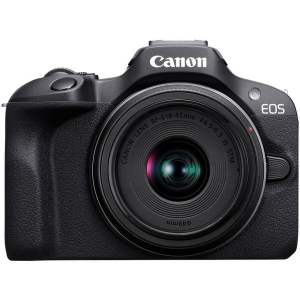
Mirrorless cameras are becoming increasingly popular due to their compact size and advanced technology. They offer similar features to DSLRs, such as interchangeable lenses and manual controls, but without the bulkiness of a mirror mechanism. Mirrorless cameras are perfect for photographers who want the image quality of a DSLR in a more portable package.
Important Factors to Consider
When choosing a camera, there are several essential factors to consider to ensure you get the best value for your money. From image quality to camera size and budget, here are some key considerations to keep in mind.
Image Quality
Image quality is one of the most crucial factors to consider when choosing a camera. Look for cameras with larger sensors and higher megapixels for better image resolution and sharpness. Consider the types of photography you’ll be doing and choose a camera that can deliver the image quality you need.
Camera Size
The size and weight of a camera can significantly impact your photography experience, especially if you’ll be carrying it around for long periods. Consider how portable you need your camera to be and choose a size that is comfortable for you to handle. Mirrorless cameras are a great option for those who want a balance between portability and image quality.
Budget
Your budget will ultimately determine the type of camera you can afford. Set a realistic budget based on your photography needs and research cameras within that price range. Remember to consider additional costs such as lenses, accessories, and maintenance when budgeting for a camera.
Comparing Camera Brands
There are many camera brands on the market, each with its own reputation for quality and performance. From Canon to Nikon and Sony, here are some popular camera brands to consider when making your decision.
| Brand | Pros | Cons |
|---|---|---|
| Canon | Great for beginners | Limited lens selection |
| Nikon | Excellent image quality | Expensive accessories |
| Sony | Innovative technology | Limited selection of lenses |
Choosing the Right Lens
Lenses play a crucial role in photography, allowing you to achieve different perspectives and focal lengths. When choosing a lens for your camera, consider factors such as focal length, aperture, and image stabilization to get the best results.
Prime Lenses
Prime lenses have a fixed focal length and offer superior image quality compared to zoom lenses. They are perfect for portrait photography, low-light conditions, and achieving a shallow depth of field. While they may not be as versatile as zoom lenses, prime lenses are a great addition to any photographer’s kit.
Zoom Lenses
Zoom lenses have a variable focal length, allowing you to zoom in and out to capture different perspectives. They are versatile and convenient for everyday photography, travel, and events where you need to quickly change your framing. While zoom lenses may not offer the same image quality as prime lenses, they are a practical choice for many photographers.
Wide-Angle Lenses
Wide-angle lenses have a shorter focal length, allowing you to capture more of the scene in your frame. They are perfect for landscape photography, architecture, and group portraits where you need to fit multiple subjects into the frame. Wide-angle lenses can add depth and dimension to your images, making them a valuable tool for photographers.
Camera Accessories
In addition to choosing the right camera and lens, there are various accessories that can enhance your photography experience. From tripods to camera bags and filters, here are some essential accessories to consider investing in.
Tripods
Tripods are essential for stable and steady shots, especially in low-light conditions or long exposures. They come in various sizes and materials, so choose one that is sturdy enough to support your camera and lens. Tripods are perfect for landscape, macro, and astrophotography where stability is crucial.
Camera Bags
Camera bags are essential for protecting your gear and keeping it organized when you’re on the go. Look for a bag that is comfortable to carry, weather-resistant, and offers enough storage for your camera, lenses, and accessories. Camera bags come in various styles, such as backpacks, shoulder bags, and sling bags, so choose one that fits your needs.
Filters
Filters can enhance your images by reducing glare, improving color saturation, and protecting your lens from scratches and dust. Consider investing in filters such as UV filters for lens protection, polarizing filters for reducing reflections, and ND filters for long exposures. Filters are a cost-effective way to improve your photos without editing them in post-production.
Final Thoughts
Finding the best camera can be a daunting task, but with the right knowledge and guidance, you can make an informed decision that suits your needs and budget. Consider factors such as camera type, image quality, budget, and accessories when choosing a camera, and don’t be afraid to test out different options before making your final decision. Happy shooting!