
Have you ever wondered if there are hidden cameras around you, invading your privacy without your knowledge? How can you protect yourself from potential surveillance when in public places or even in the privacy of your own home? In this guide, you will learn all about hidden camera detectors and how they can help you maintain your privacy and peace of mind.

Understanding Hidden Cameras
Hidden cameras, also known as spy cameras or surveillance cameras, are small cameras that are designed to be discreetly placed in various locations to record video or capture images without the knowledge of those being recorded. These cameras can be found in public places like hotels, offices, restaurants, and even in private residences.
Purpose of Hidden Cameras
Hidden cameras have a range of purposes, from security surveillance to monitoring employees or keeping an eye on children and pets. However, they can also be used for malicious intent, such as spying on individuals without their consent for blackmail or other nefarious reasons.
Understanding the purpose of hidden cameras can help you be more aware of the potential threats to your privacy and take necessary precautions.
How Hidden Camera Detectors Work
Hidden camera detectors, also known as bug sweepers, are electronic devices that are used to detect the presence of hidden cameras in a given area. These detectors work by scanning for radio frequency signals that are emitted by wireless cameras. When a hidden camera is detected, the bug sweeper alerts the user through visual or audio signals.
Radio Frequency Detection
Most hidden cameras transmit video signals wirelessly using radio frequencies. Hidden camera detectors are equipped with radio frequency (RF) sensors that can pick up these signals and alert the user to the presence of a wireless camera.
RF detection is one of the most common methods used in bug sweepers, as it is effective in detecting wireless hidden cameras within a certain radius.
Lens Detection
Some hidden camera detectors are also equipped with infrared lights that can detect the reflection of a camera lens. When the bug sweeper scans an area with its IR lights, it can identify the presence of a hidden camera lens and alert the user to its location.
Lens detection can be useful in detecting hidden cameras that do not emit RF signals, such as wired cameras or pinhole cameras.
Types of Hidden Camera Detectors
There are different types of hidden camera detectors available on the market, each with its own features and capabilities. When choosing a bug sweeper, it is important to consider factors such as detection range, sensitivity, ease of use, and additional features.
Handheld Bug Sweepers
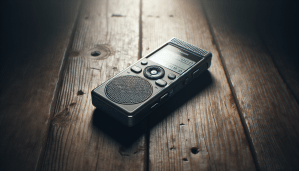
Handheld bug sweepers are small, portable devices that are designed for easy use and mobility. These bug sweepers are ideal for personal use, as they can be carried around in a bag or pocket for on-the-go surveillance detection.
Handheld bug sweepers are generally more affordable and user-friendly, making them a popular choice for individuals looking to protect their privacy in various settings.
Professional Bug Sweepers
Professional bug sweepers are larger, more advanced devices that are typically used by security professionals or experienced individuals who require high-level surveillance detection. These bug sweepers offer advanced features such as extended detection range, multiple frequency scanning, and precision detection capabilities.
While professional bug sweepers may be more expensive, they are ideal for detecting hidden cameras in larger areas or for conducting thorough security sweeps.
Hidden Camera Detector Apps
In addition to dedicated bug sweepers, there are also hidden camera detector apps available for smartphones and tablets. These apps use the device’s built-in hardware, such as the camera and sensors, to detect hidden cameras in the vicinity.
Hidden camera detector apps are convenient and cost-effective, as they eliminate the need to purchase a separate bug sweeper. However, they may not be as reliable or effective as dedicated bug sweepers, especially when it comes to detecting hidden cameras with sophisticated technologies.
How to Use a Hidden Camera Detector
Using a bug sweeper to detect hidden cameras is a straightforward process that requires some basic knowledge of how the device works. To effectively use a hidden camera detector, follow these simple steps:
- Turn on the bug sweeper and select the scanning mode (RF detection, lens detection, or both).
- Hold the bug sweeper at chest level and slowly move it around the area you want to sweep.
- Pay attention to any visual or audio alerts that indicate the presence of a hidden camera.
- If the bug sweeper detects a hidden camera, investigate further to locate the camera and disable it if necessary.
By following these steps, you can effectively scan for hidden cameras in your environment and take action to protect your privacy.
Factors to Consider When Choosing a Hidden Camera Detector
When selecting a bug sweeper to detect hidden cameras, there are several factors to consider to ensure that you choose the right device for your needs. Consider the following factors before making a purchase:
Detection Range
The detection range of a bug sweeper refers to the distance at which it can detect hidden cameras. Some bug sweepers have a limited range of a few feet, while others can detect cameras from several yards away.
Choose a bug sweeper with a detection range that suits your needs, based on the size of the area you intend to scan for hidden cameras.
Sensitivity
The sensitivity of a bug sweeper determines how well it can pick up radio frequency signals emitted by hidden cameras. A more sensitive bug sweeper can detect weaker signals and hidden cameras that are further away.
For optimal detection results, choose a bug sweeper with adjustable sensitivity settings that can be customized based on the environment and the type of hidden cameras you are looking to detect.
Ease of Use
The ease of use of a bug sweeper is an important factor to consider, especially for individuals who are not familiar with surveillance detection devices. Look for bug sweepers with intuitive controls, clear displays, and user-friendly interfaces that make scanning for hidden cameras simple and efficient.
Choose a bug sweeper that is easy to operate and understand, to ensure that you can effectively use it to protect your privacy.
Additional Features
Some bug sweepers come with additional features that enhance their surveillance detection capabilities. These features may include multiple scanning modes, audio alerts, built-in flashlights, and rechargeable batteries.
Consider the additional features offered by a bug sweeper and choose a device that includes features that are important to you and align with your surveillance detection needs.
Tips for Detecting Hidden Cameras
While bug sweepers are effective tools for detecting hidden cameras, there are additional tips and techniques that you can use to enhance your surveillance detection efforts. Follow these tips to improve your chances of locating hidden cameras in your environment:
Conduct Visual Inspections
Performing visual inspections of the area you suspect may contain hidden cameras can help you identify suspicious objects or anomalies that may indicate the presence of a camera. Look for small holes, unusual wires, or out-of-place objects that could be hiding a camera.
Pay Attention to Sound and Heat
Some hidden cameras emit buzzing sounds or heat signatures that can be detected by the human senses. Listen for any unusual sounds or feel for warm spots in the vicinity, as these may indicate the presence of a hidden camera.
Use a Flashlight
Using a flashlight can help you inspect dark or hard-to-reach areas where a hidden camera may be concealed. Shine the flashlight around the room or area you are scanning to illuminate potential hiding spots and make it easier to detect hidden cameras.
Check for Wireless Networks
Hidden cameras that transmit video wirelessly may be connected to a network or Wi-Fi signal. Use your smartphone or laptop to scan for nearby wireless networks and look for any unfamiliar or suspicious networks that could be associated with a hidden camera.
Seek Professional Help
If you suspect that hidden cameras are compromising your privacy and security, consider seeking professional help from a security expert or private investigator. Professional bug sweepers and surveillance detection services can help you conduct thorough security sweeps and locate hidden cameras with precision.
By following these tips and techniques, you can improve your ability to detect hidden cameras and safeguard your privacy in various environments.
Legal Considerations for Using Hidden Camera Detectors
Before using a bug sweeper to detect hidden cameras, it is important to understand the legal considerations surrounding surveillance detection. In many jurisdictions, there are laws that regulate the use of hidden camera detectors and the invasion of privacy through surveillance.
Privacy Laws
Privacy laws vary from country to country and state to state, governing the use of surveillance devices and the right to privacy in different contexts. Before using a bug sweeper, familiarize yourself with the privacy laws that apply to your location and ensure that you are compliant with them.
Consent Requirements
In some jurisdictions, it is illegal to conduct surveillance or use surveillance detection devices without the consent of the individuals being monitored. Before scanning for hidden cameras in a public place or a shared space, make sure that you have legal authorization to do so or obtain the necessary consent.
Professional Advice
If you are unsure about the legal implications of using a bug sweeper or detecting hidden cameras, seek professional advice from a legal expert or privacy consultant. They can provide guidance on the legal requirements and restrictions related to surveillance detection in your area.
Conclusion
In conclusion, hidden camera detectors are essential tools for protecting your privacy and security in a world where surveillance is increasingly prevalent. By understanding how hidden cameras work, the types of bug sweepers available, and the factors to consider when choosing a detector, you can effectively safeguard your privacy and maintain peace of mind.
Whether you opt for a handheld bug sweeper, a professional surveillance detection device, or a hidden camera detector app, the key is to be proactive in detecting hidden cameras and taking measures to protect your personal information and privacy. Remember to follow the tips and techniques outlined in this guide, and always consider the legal implications of using surveillance detection devices in your environment.
With the right knowledge and tools at your disposal, you can detect hidden cameras, maintain your privacy, and enjoy peace of mind in any setting.