The Ultimate Guide to Effectively Using a Hidden Camera Detector
Have you ever felt like your privacy is being invaded in your own home or workplace? If so, you may want to consider investing in a hidden camera detector. But how do you effectively use one to ensure your surroundings are free from prying eyes? In this ultimate guide, we will walk you through the ins and outs of using a hidden camera detector with maximum effectiveness.

Understanding How a Hidden Camera Detector Works
Before delving into how to use a hidden camera detector effectively, it’s important to understand the basics of how these devices work. Hidden camera detectors are designed to detect radio frequencies and lenses on hidden cameras, allowing you to locate and disable them. By sweeping the area with the detector, you can identify any suspicious devices that may be spying on you.
Radio Frequency Detection
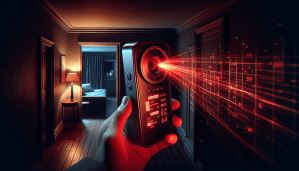
Hidden camera detectors are equipped with radio frequency (RF) detection capabilities that allow them to pick up signals emitted by wireless cameras. When you turn on the detector and sweep the area, it will alert you if it detects any RF signals that may indicate the presence of a hidden camera. This is especially useful for detecting modern wireless cameras that transmit video and audio wirelessly.
Lens Detection
In addition to RF detection, hidden camera detectors also come with lens detection features that can detect the reflection of light off camera lenses. When you press the lens detection button on the detector and look through the viewfinder, it will show you any sources of light reflections that may indicate the presence of a hidden camera lens. This feature is particularly useful for detecting older or wired cameras that may not transmit RF signals.
Tips for effectively using a hidden camera detector
Now that you have a basic understanding of how a hidden camera detector works, let’s explore some tips for effectively using one to sweep for hidden cameras in your surroundings.
Sweep the Entire Area
When using a hidden camera detector, it’s important to sweep the entire area systematically to ensure that no hidden cameras are missed. Start by scanning the room from left to right in a grid pattern, moving the detector slowly and deliberately. Pay close attention to areas where hidden cameras are commonly found, such as smoke detectors, wall clocks, and electrical outlets.
Check Suspicious Objects
Be sure to pay extra attention to any suspicious objects in the room when sweeping with a hidden camera detector. This includes items that seem out of place or have odd-looking components, such as tiny pinholes or unusual wires. Hidden cameras can be disguised as everyday objects, so it’s essential to thoroughly inspect anything that raises suspicion during your sweep.
Use the Detector in Different Modes
Most hidden camera detectors come with multiple detection modes, including RF detection, lens detection, and vibration alert. To increase your chances of detecting hidden cameras, try using the detector in different modes to cover all bases. For example, start with RF detection to locate wireless cameras, then switch to lens detection to detect cameras with physical lenses.
Test the Detector Regularly
To ensure that your hidden camera detector is functioning correctly, be sure to test it regularly. You can do this by placing a known hidden camera in a discreet location and sweeping the area with the detector to see if it picks up the signal. Testing the detector periodically will give you peace of mind knowing that it is working properly and capable of detecting hidden cameras when needed.
Best Practices for Using a Hidden Camera Detector
In addition to the tips mentioned above, there are some best practices to keep in mind when using a hidden camera detector effectively. By following these guidelines, you can maximize the efficiency of the detector and protect your privacy from potential surveillance.
Stay Up to Date on Technology
As technology advances, so do the capabilities of hidden cameras and detectors. Stay informed about the latest trends in surveillance technology and upgrade your detector as needed to keep up with the changing landscape. This will ensure that you are equipped with the most effective tools to detect hidden cameras in any environment.
Maintain Discretion
When using a hidden camera detector in public spaces or shared environments, it’s essential to maintain discretion to avoid drawing attention to yourself. Be subtle in your sweep and avoid making any sudden movements that may arouse suspicion. Remember, the goal is to discreetly locate hidden cameras without alerting anyone to your activities.
Seek Professional Help
If you suspect that hidden cameras are present in your home or workplace but are unable to locate them on your own, don’t hesitate to seek professional help. Private investigators and security experts have the experience and tools to conduct thorough sweeps for hidden cameras and can provide you with peace of mind knowing that your privacy is protected.
Take Action When Necessary
If you do detect a hidden camera using a detector, it’s important to take swift action to address the situation. Notify the relevant authorities, such as law enforcement or building management, and follow their guidance on how to proceed. By taking action promptly, you can prevent further privacy violations and ensure the safety and security of yourself and others.
Conclusion
Using a hidden camera detector effectively requires a combination of knowledge, skills, and vigilance. By understanding how these devices work, following best practices, and taking proactive steps to protect your privacy, you can detect and disable hidden cameras in your surroundings with confidence. Remember, privacy is a fundamental right, and it’s essential to safeguard it through the use of advanced detection technology.