
Have you ever wondered if there are hidden cameras watching your every move without your knowledge? It can be a concerning thought, especially in private spaces like hotel rooms or public bathrooms. In this comprehensive guide, they will cover everything you need to know about detecting hidden cameras effectively. From the best hidden camera detector for law enforcement to practical tips on how to conduct a thorough sweep, this article has got you covered.
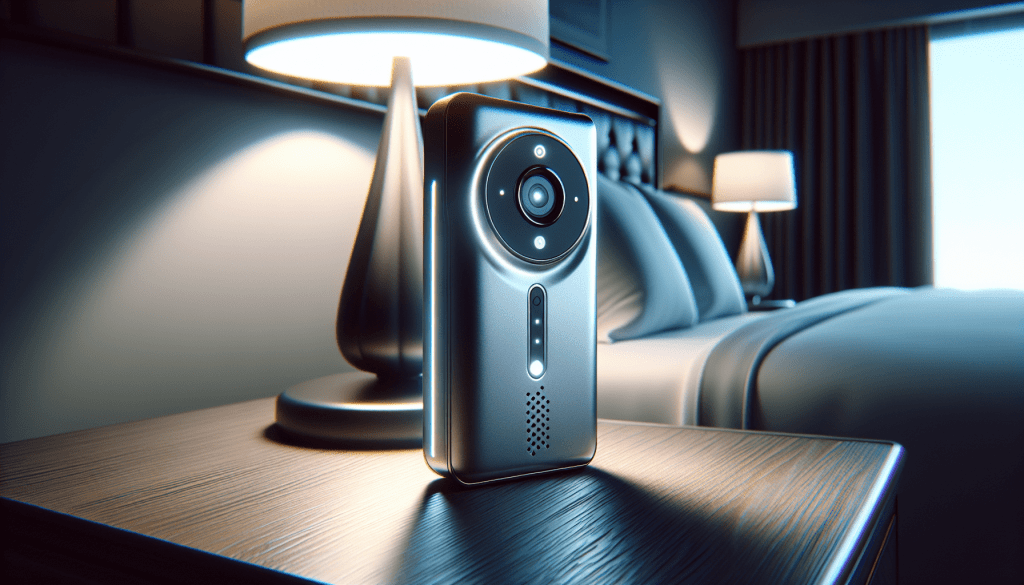
This image is property of i0.wp.com.

Understanding Hidden Cameras
Hidden cameras, also known as spy cameras or covert cameras, are small devices designed to surreptitiously record video and audio of individuals without their consent. They can be disguised as everyday objects like clocks, pens, or even smoke detectors, making them difficult to detect with the naked eye. The use of hidden cameras raises serious privacy concerns, as they can be illegally placed in various settings to capture sensitive information or compromising footage.
Privacy Concerns
Privacy is a fundamental right that should be respected and protected. Unauthorized surveillance through hidden cameras violates this right, leaving individuals vulnerable to exploitation and blackmail. Whether in public spaces like malls and restaurants or private areas like homes and changing rooms, the presence of hidden cameras can have detrimental effects on one’s sense of security and wellbeing. It is crucial to detect and disable these invasive devices to safeguard personal privacy and prevent potential harm.
Types of Hidden Cameras
Hidden cameras come in various shapes, sizes, and designs, making them challenging to spot without the proper tools. Understanding the different types of hidden cameras can help you identify potential threats more effectively during a sweep.
Wired Hidden Cameras
Wired hidden cameras are connected directly to a power source and recording device, typically through cables or wires. They require a physical connection for operation, making them less common in today’s wireless age. While wired cameras may be harder to detect due to the discreet placement of cables, they can still be uncovered with a thorough search of the area.
Wireless Hidden Cameras
Wireless hidden cameras are more prevalent in modern surveillance systems, as they offer greater flexibility and convenience in installation. These cameras transmit video and audio signals wirelessly to a receiver or recording device, allowing for remote monitoring from a distance. Wireless cameras can be concealed in various objects with built-in batteries for continuous operation, making them a popular choice for covert surveillance.
IP Cameras
Internet Protocol (IP) cameras are digital video cameras that send and receive data over an IP network, such as the internet. They can be accessed remotely through a computer, smartphone, or tablet, allowing users to view live footage or recordings from anywhere with an internet connection. IP cameras offer advanced features like motion detection, night vision, and cloud storage, making them powerful tools for both legitimate and illicit surveillance purposes.
This image is property of us.norton.com.
Detecting Hidden Cameras
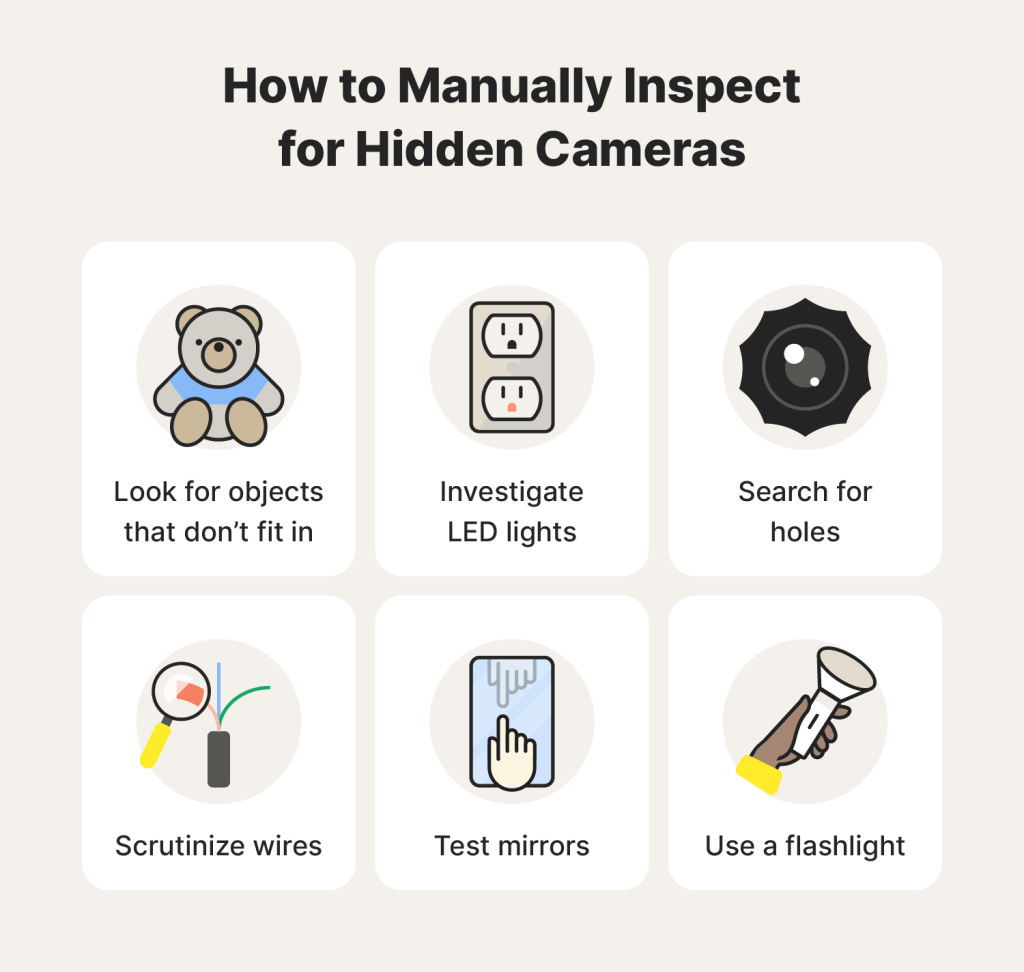
Now that you have a better understanding of hidden cameras and their different types, let’s delve into the essential techniques and tools for detecting these covert devices. Detecting hidden cameras requires a combination of visual inspection, physical search, and electronic detection to ensure comprehensive coverage of the area.
Visual Inspection
Visual inspection involves carefully examining the surroundings for any objects that seem out of place or suspicious. Look for items that have unusual features or placement, such as small holes, lens reflections, or blinking lights. Hidden cameras are often disguised as everyday objects, so pay close attention to common items like wall clocks, smoke detectors, picture frames, and electrical outlets.
Physical Search
A physical search entails checking common hiding spots where hidden cameras may be installed, such as behind mirrors, inside air vents, under furniture, or within decorative items. Use a flashlight to illuminate dark areas and a mirror to see behind objects that are hard to reach. Inspect the room systematically, moving from one corner to another, to ensure thorough coverage of all potential hiding places.
Electronic Detection
Electronic detection involves using specialized hidden camera detectors or bug sweepers to scan for radio frequency (RF) signals emitted by wireless cameras. These devices can detect signals from hidden cameras, microphones, and other surveillance equipment, allowing you to pinpoint their exact location. Hidden camera detectors come in various forms, including handheld devices, portable scanners, and smartphone apps, each with its unique features and capabilities.
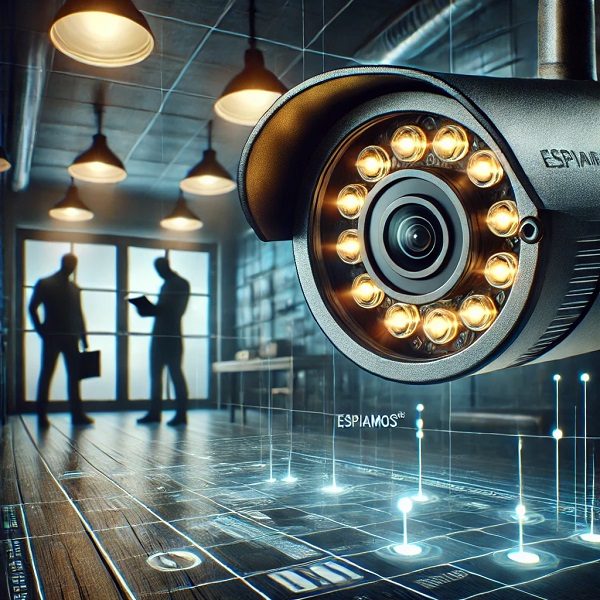
This image is property of http://www.espiamos.com.
Best Hidden Camera Detector for Law Enforcement
Law enforcement agencies often use advanced hidden camera detectors to conduct sweep operations and counter surveillance measures. These devices are designed to detect hidden cameras, audio bugs, and GPS trackers in real-time to gather evidence and protect sensitive information. The best hidden camera detector for law enforcement should offer high sensitivity, accuracy, and reliability to identify covert devices effectively.
Features to Look for in a Hidden Camera Detector
When choosing a hidden camera detector for law enforcement purposes, consider the following key features to ensure optimal performance and functionality:
- Frequency Range: A broad frequency range allows the detector to scan for a wide range of signals emitted by hidden cameras and surveillance devices.
- Signal Strength Indicator: A signal strength indicator helps pinpoint the exact location of hidden cameras based on the intensity of the RF signals detected.
- Sensitivity Adjustment: Adjustable sensitivity levels allow for fine-tuning the detector’s performance to reduce false positives and increase detection accuracy.
- Audio Output: An audio output feature provides audible alerts or tone signals to notify the user of hidden cameras’ presence, even in noisy environments.
- Battery Life: Long battery life ensures uninterrupted operation during extended sweep operations, allowing law enforcement agents to cover large areas efficiently.
Recommended Hidden Camera Detectors for Law Enforcement
Several reputable brands offer advanced hidden camera detectors specifically designed for law enforcement and surveillance professionals. Some of the best hidden camera detectors for law enforcement include:
- Oscor Green: The Oscor Green is a top-of-the-line spectrum analyzer and RF detector that can detect hidden cameras, GPS trackers, and wireless microphones with precision and accuracy.
- Orion HX Deluxe: The Orion HX Deluxe is a portable RF detector with a high-resolution touchscreen and advanced signal analysis capabilities for rapid and reliable detection of covert devices.
- Wolfhound-Pro: The Wolfhound-Pro is a compact and lightweight hidden camera detector that can detect wireless video cameras and audio bugs up to 150 feet away, making it ideal for law enforcement operations.
By investing in a reliable hidden camera detector with advanced features and capabilities, law enforcement agencies can effectively detect and neutralize hidden threats to protect individuals’ privacy and security.

This image is property of uk.norton.com.
Conducting a Sweep for Hidden Cameras
After acquiring the necessary tools and equipment, it is essential to conduct a systematic sweep of the area to detect hidden cameras effectively. Whether in a residential property, office space, or public venue, following a structured approach can help you cover all potential hiding places and identify covert surveillance devices.
Step 1: Secure the Area
Before beginning the sweep, secure the area by closing all doors and windows to prevent external interference. Turn off electronic devices that may interfere with the detector’s signal, such as Wi-Fi routers, Bluetooth speakers, and cordless phones. Create a quiet and controlled environment to enhance the detector’s sensitivity and accuracy during the sweep.
Step 2: Select the Detector Mode
Choose the appropriate detection mode on the hidden camera detector based on the area’s size, layout, and suspected threats. Some detectors offer multiple scanning modes, such as RF detection, lens detection, and audio bug detection, each tailored to different surveillance risks. Selecting the right mode ensures comprehensive coverage of hidden cameras and other covert devices in the area.
Step 3: Conduct a Systematic Sweep
Begin the sweep by systematically scanning each area of the room or property, starting from the perimeter and moving towards the center. Use the detector to search for RF signals, lens reflections, and audio transmissions emitted by hidden cameras. Pay close attention to common hiding spots like ceilings, walls, furniture, and electronic devices, as hidden cameras may be cleverly concealed in these areas.
Step 4: Identify and Disable Hidden Cameras
When the hidden camera detector detects a potential threat, visually inspect the area to locate the exact position of the hidden camera. Check for physical signs of a hidden camera, such as a lens, microphone, or power source, to confirm its presence. Once the hidden camera is identified, disable or disconnect it from the power source to prevent further surveillance and protect personal privacy.
Conducting a thorough sweep for hidden cameras requires patience, attention to detail, and the right tools to detect covert devices effectively and safeguard individuals’ privacy.

This image is property of home-cdn.reolink.us.
Conclusion
In conclusion, detecting hidden cameras is a critical step in protecting personal privacy and preventing unauthorized surveillance. By understanding the different types of hidden cameras, essential detection techniques, and best practices for conducting a sweep, individuals can take proactive measures to identify and disable covert surveillance devices in their surroundings. Whether for law enforcement purposes or personal security concerns, investing in a reliable hidden camera detector and following a structured approach to detection can help mitigate the risks posed by hidden cameras effectively. Stay vigilant, stay informed, and stay safe in an increasingly surveilled world.