
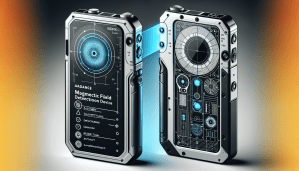
How Does a Magnetic Field Detection Device Work?
Magnetic field detection devices, also known as hidden camera detectors with magnetic field detection, work by sensing the presence of magnetic fields. These devices are equipped with sensors that can detect changes in magnetic fields, which are often emitted by electronic devices such as hidden cameras, microphones, and other surveillance equipment. When a hidden camera or other device is nearby, the magnetic field detection device will alert the user, allowing them to locate and potentially disable the hidden device.
Understanding Magnetic Fields and Their Significance
Magnetic fields are areas surrounding a magnet or electric current where magnetic forces are active. These fields can be manipulated and measured using specialized equipment, such as a magnetic field detection device. In the context of surveillance equipment, hidden cameras and microphones emit magnetic fields that can be detected by these devices. By understanding how magnetic fields work and their significance in detecting hidden devices, users can effectively utilize a magnetic field detection device to protect their privacy.

Features of an Advanced Magnetic Field Detection Device
When selecting a magnetic field detection device, it is essential to consider its features and capabilities. Advanced detection devices often come equipped with a range of features that enhance their functionality and efficiency in detecting hidden surveillance equipment.
Sensitivity Levels
An important feature of an advanced magnetic field detection device is the ability to adjust sensitivity levels. This allows users to customize the device’s detection capabilities based on the specific environment and the strength of magnetic fields present. By adjusting sensitivity levels, users can fine-tune the device to detect even the smallest magnetic field changes, ensuring comprehensive surveillance detection.
Multiple Detection Modes
Another key feature of advanced magnetic field detection devices is the inclusion of multiple detection modes. These modes may include audio alerts, visual indicators, and vibration alerts to notify users of the presence of magnetic fields. By providing various notification methods, users can choose the most suitable detection mode based on their preferences and the surrounding noise level.
Portability and Compact Design
Portability and compact design are essential features of an advanced magnetic field detection device. These devices are often used in different locations, making it crucial for them to be lightweight and easy to carry. A compact design allows users to discreetly scan for hidden surveillance equipment without drawing attention to themselves, ensuring effective privacy protection in various settings.
Applications of a Magnetic Field Detection Device
Magnetic field detection devices have a wide range of applications beyond detecting hidden cameras and surveillance equipment. Understanding the diverse uses of these devices can help users leverage their functionality in different scenarios to ensure privacy and security.
Counter-Surveillance Sweeps
One common application of magnetic field detection devices is conducting counter-surveillance sweeps. In sensitive environments where privacy is paramount, such as corporate offices, government buildings, and confidential meeting rooms, these devices can be used to sweep for hidden cameras or listening devices. By conducting regular counter-surveillance sweeps, businesses and individuals can protect sensitive information and maintain confidentiality.
Personal Security and Privacy Protection
Individuals can also use magnetic field detection devices for personal security and privacy protection. Whether traveling, staying in hotels, or working in coworking spaces, these devices can help users detect hidden surveillance equipment and protect their privacy. By scanning their surroundings with a magnetic field detection device, individuals can ensure that their personal conversations and activities remain secure and confidential.
Electronic Device Interference Detection
In addition to detecting hidden surveillance equipment, magnetic field detection devices can also be used to identify electronic device interference. In environments with high electromagnetic activity, such as data centers or electrical substations, these devices can detect interference that may affect electronic equipment performance. By pinpointing sources of electromagnetic interference, users can take corrective measures to prevent disruptions and maintain operational efficiency.
Tips for Using a Magnetic Field Detection Device Effectively
To maximize the effectiveness of a magnetic field detection device, users should follow best practices and tips for using the device correctly. By implementing these tips, users can enhance their surveillance detection capabilities and protect their privacy more effectively.
Conduct Regular Sweeps
One essential tip for using a magnetic field detection device effectively is to conduct regular sweeps of your surroundings. By periodically scanning different areas, such as your home, office, or car, users can identify any new hidden surveillance equipment that may have been installed. Regular sweeps help maintain privacy and security by ensuring that no unauthorized devices are monitoring your activities.
Familiarize Yourself with Device Operation
Before using a magnetic field detection device, it is crucial to read the user manual and familiarize yourself with how the device operates. Understanding the device’s features, settings, and indicators will enable users to use it effectively and interpret detection alerts accurately. By becoming proficient in operating the device, users can make informed decisions when detecting magnetic fields and potential surveillance threats.
Test the Device in Different Environments
To ensure the reliability and accuracy of a magnetic field detection device, users should test it in various environments with different levels of electromagnetic activity. Testing the device in different settings allows users to understand its capabilities and limitations, enabling them to optimize detection performance in real-world scenarios. By conducting thorough testing, users can build confidence in the device’s accuracy and reliability when detecting magnetic fields.
Conclusion
In conclusion, an advanced magnetic field detection device is a valuable tool for detecting hidden surveillance equipment and protecting privacy. By understanding how these devices work, exploring their features, applications, and tips for effective use, users can leverage the capabilities of a magnetic field detection device to enhance their security and maintain privacy. Whether conducting counter-surveillance sweeps, maintaining personal security, or detecting electronic device interference, these devices play a crucial role in safeguarding sensitive information and preventing unauthorized surveillance.