
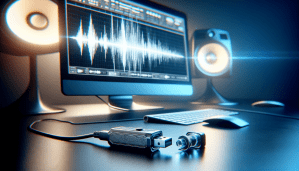
How to Use a USB Drive as an Audio Recorder
Have you ever wondered if you could use a USB drive as an audio recorder? It may seem like an unconventional idea, but it’s possible and can be quite handy in various situations. In this article, you will learn how to turn your regular USB drive into a portable audio recorder.

Using a USB Drive for Audio Recording
Using a USB drive as an audio recorder can be a convenient and cost-effective solution. You can use it to record lectures, interviews, meetings, or even music. It’s a versatile tool that can come in handy in a variety of situations.
To get started, you will need a few things:
-
USB Drive – Make sure you have a USB drive with enough storage capacity to record the audio you need. The size of the USB drive will depend on how long you plan to record.
-
Computer or Laptop – You will need a computer or laptop to transfer the recorded audio files from the USB drive.
-
Microphone – Depending on the USB drive you have, you may need an external microphone for better audio quality.
Formatting the USB Drive
Before you can use your USB drive as an audio recorder, you will need to format it to ensure it’s compatible with your device. Follow these steps to format your USB drive:
- Insert your USB drive into the USB port on your computer.
- Open File Explorer (Windows) or Finder (Mac) and locate your USB drive.
- Right-click on the USB drive and select “Format.”
- Choose the file system format (FAT32 or exFAT) and allocation unit size.
- Click “Format” to begin the formatting process.
Once the formatting is complete, your USB drive will be ready to use as an audio recorder.
Recording Audio with a USB Drive
Now that your USB drive is formatted and ready, it’s time to start recording audio. Follow these steps to record audio using your USB drive:
-
Insert your USB drive into the USB port on your computer or laptop.
-
Connect your microphone to the USB drive if necessary.
-
Open a recording software on your computer. Windows has built-in options like Voice Recorder, while Mac users can use QuickTime or GarageBand.
-
In the recording software, select your USB drive as the input device.
-
Click the record button to start recording audio.
-
Once you’re done recording, click the stop button to end the recording.
Transferring Audio Files
After you have recorded the audio using your USB drive, you will need to transfer the files to your computer for playback or storage. Here’s how you can transfer audio files from your USB drive to your computer:
-
Remove the USB drive from your computer.
-
Insert the USB drive into the USB port on your computer.
-
Open File Explorer (Windows) or Finder (Mac) and locate your USB drive.
-
Copy the audio files from the USB drive and paste them onto your computer’s hard drive or any other storage location.
-
Once the files are transferred, you can safely eject the USB drive from your computer.
Tips for Using a USB Drive as an Audio Recorder
Here are some tips to help you make the most out of using a USB drive as an audio recorder:
- Make sure to choose a USB drive with enough storage capacity for your recording needs.
- Use an external microphone for better audio quality, especially in noisy environments.
- Keep your USB drive clean and free from dust to ensure proper functionality.
- Regularly back up your audio recordings to prevent data loss.
- Experiment with different recording software to find the one that best suits your needs.
Benefits of Using a USB Drive as an Audio Recorder
Using a USB drive as an audio recorder has several benefits that make it a practical choice for recording audio. Some of the key benefits include:
-
Portability – USB drives are compact and lightweight, making them easy to carry around for on-the-go recording.
-
Affordability – USB drives are cost-effective compared to dedicated audio recorders, making them a budget-friendly option.
-
Versatility – USB drives can be easily connected to a variety of devices, allowing for flexibility in recording.
-
Multiple Uses – In addition to audio recording, USB drives can be used for storing and transferring data, making them a multi-functional tool.
Comparison with Dedicated Audio Recorders
While dedicated audio recorders have their advantages, using a USB drive as an audio recorder can be a viable alternative for many users. Here’s a comparison between the two options:
| Feature | USB Drive | Dedicated Audio Recorder |
|---|---|---|
| Cost | Affordable | Higher cost |
| Storage Capacity | Limited by USB drive size | Higher capacity available |
| Portability | Portable | Portable |
| Audio Quality | Depends on microphone quality | Dedicated audio recorder quality |
| Versatility | Multi-functional | Single-purpose |
In conclusion, using a USB drive as an audio recorder can be a practical and effective solution for recording audio in various situations. With the right equipment and software, you can easily turn your USB drive into a portable audio recording device. So why not give it a try and see how it can benefit you in your audio recording needs?