Are you curious about spy microphones and their capabilities? Let’s delve into the intriguing world of spy microphone devices together.

The Basics of Spy Microphones
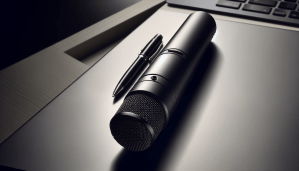
Spy microphones are covert surveillance tools that are used to secretly record conversations or gather audio information without being noticed. These devices come in various shapes and sizes, making them ideal for discrete operations.
Whether you’re a tech enthusiast or simply intrigued by espionage gadgets, understanding the basics of spy microphones can be both fascinating and informative.
How Do Spy Microphones Work?
Spy microphones work by capturing sound waves and converting them into electrical signals that can be recorded or transmitted. These devices are equipped with sensitive microphones and transmitters that allow them to pick up sounds from a distance.
Imagine being able to eavesdrop on conversations from a separate room or even from outside a building – spy microphones make this possible through advanced technology.
Types of Spy Microphones
There are several types of spy microphones available, each with its own unique features and applications.
From parabolic microphones that can capture sound from a significant distance to GSM listening devices that can transmit audio over cellular networks, there is a wide range of options to choose from depending on your surveillance needs.
Applications of Spy Microphones
Spy microphones are widely used in various industries and scenarios for surveillance, security, and investigative purposes. Let’s explore some common applications of these covert audio devices.
Law Enforcement and Intelligence Operations
Law enforcement agencies and intelligence organizations often use spy microphones to gather evidence, monitor suspects, and conduct undercover operations. These devices play a crucial role in gathering audio intelligence and conducting covert surveillance.
Corporate and Industrial Espionage
In the world of corporate espionage, spy microphones are used to gather confidential information, business secrets, and insider conversations. Companies may employ these devices to protect their interests or gain a competitive advantage in the market.
Personal Security and Home Monitoring
For personal security and home monitoring, spy microphones can be installed to track activities, monitor children or elderly relatives, and enhance overall safety. These devices provide an added layer of security for homeowners and families.
Investigative Journalism and Whistleblowing
Journalists and whistleblowers may use spy microphones to uncover corruption, expose unethical behavior, or gather evidence for investigative reports. These devices can be powerful tools for holding individuals and organizations accountable.
Risks and Ethical Considerations
While spy microphones can be useful in certain situations, there are also risks and ethical considerations to take into account when using these covert surveillance devices.
Invasion of Privacy
One of the main concerns with spy microphones is the potential invasion of privacy. Recording conversations without consent or knowledge can violate individuals’ rights and the law. It’s essential to consider the ethical implications of using these devices in private or public spaces.
Legal Regulations and Restrictions
In many countries, the use of spy microphones is subject to legal regulations and restrictions. It’s crucial to familiarize yourself with the laws surrounding surveillance and audio recording to avoid legal consequences or penalties.
Security Vulnerabilities
Spy microphones can also pose security vulnerabilities if not properly secured or controlled. Hackers or unauthorized individuals could potentially access and intercept audio transmissions, leading to breaches of confidentiality and data leaks.
How to Detect and Counter Spy Microphones
If you suspect that spy microphones are being used to eavesdrop on your conversations or invade your privacy, there are steps you can take to detect and counter these covert devices.
Physical Inspection
Perform a physical inspection of your surroundings, including electronic devices, furniture, and walls where spy microphones may be hidden. Look for suspicious objects or unusual wiring that could indicate the presence of surveillance devices.
Radio Frequency (RF) Signal Detection
Use an RF signal detector or bug sweeper to scan for radio frequencies that are emitted by spy microphones. These devices can detect the transmission signals of covert surveillance devices and help pinpoint their location.
White Noise Generators
White noise generators can create background noise that interferes with the audio recordings of spy microphones, making it difficult for eavesdroppers to capture clear conversations. These devices can provide a level of privacy and security in sensitive environments.
Conclusion
In conclusion, spy microphones are sophisticated surveillance tools that have a wide range of applications and implications. Whether used for law enforcement operations, corporate espionage, personal security, or investigative journalism, these devices offer both advantages and risks.
By understanding how spy microphones work, their types, applications, and ethical considerations, we can make informed decisions about their use and implications in different contexts. Remember to stay vigilant, protect your privacy, and be aware of the potential risks associated with covert surveillance devices.
The world of spy microphones is complex and ever-evolving, so let’s continue to explore and learn about these intriguing tools for gathering audio intelligence and conducting covert operations.