
Have you ever wondered how hidden cameras work or the reasons behind their use? These small, discreet devices have gained a lot of attention in recent years, sparking curiosity and concerns. Whether you’re looking to safeguard your home, monitor your pets, or simply satisfy your curiosity about their operation and legality, you’re in the right place.

Understanding Hidden Cameras
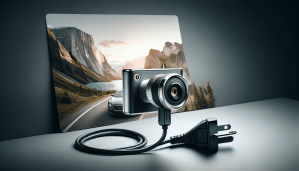
Hidden cameras are discreet devices designed to capture video or audio without the subjects’ knowledge. They come in various shapes and sizes, which makes them quite versatile for numerous applications. If you’re in the market for a hidden camera, it’s essential to know what you’re dealing with.
Types of Hidden Cameras
There are countless varieties of hidden cameras available, each designed for specific purposes. Here’s a rundown of some popular types you might encounter:
| Type | Description | Common Uses |
|---|---|---|
| Button Cameras | Resemble common buttons for clothing | Covert surveillance in personal environments |
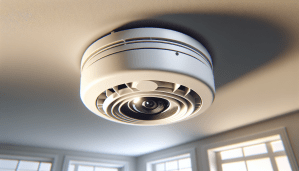
| Smoke Detector Cameras | Integrated into smoke detectors | Home security and monitoring facilities |
| Clock Cameras | Designed to look like ordinary clocks | Home or office surveillance |
| USB Charger Cameras | Function as regular USB chargers | Secretly monitor various areas |
| Wi-Fi Hidden Cameras | Transmit footage over Wi-Fi networks | Remote monitoring through smartphone apps |
Each type has its advantages and is suitable for different circumstances. Understanding your needs will ensure you choose the right camera for your situation.
How Do Hidden Cameras Work?
While the design and functionality may vary, the fundamental operation of hidden cameras is quite straightforward. They typically consist of a camera lens, image sensor, a recording device, and sometimes a transmitter for Wi-Fi models.
Key Components
-
Camera Lens: This captures the visual image. Depending on the quality of the lens, the clarity of the footage can vary significantly.
-
Image Sensor: This converts the light received through the lens into an electronic signal. Higher quality cameras tend to have advanced sensors, leading to better image quality.
-
Recording Device: Many hidden cameras store footage on SD cards. Others can transmit live video to a cloud server or a local device through Wi-Fi.
-
Power Source: Some hidden cameras require a direct power connection, while others may use rechargeable batteries for added flexibility.
Understanding these components is the key to evaluating hidden cameras; their quality can significantly influence performance.
Legal and Ethical Considerations
Before rushing to install a hidden camera, it’s crucial to understand the legal landscape surrounding surveillance. Laws vary by state or country, and what may be permissible in one location might lead to legal issues in another.
Privacy Laws
In many regions, recording someone without their consent can violate privacy laws. These laws are designed to protect personal privacy and prevent unauthorized surveillance. For instance, audio recordings may have stricter regulations than video, especially in private spaces.
Informed Consent
In specific scenarios, especially in workplaces, you may need to disclose the presence of cameras. Informing individuals can not only keep you within legal boundaries, but it also fosters trust.
Here’s a brief overview of what to keep in mind:
| Region | Camera Use | Requirement |
|---|---|---|
| United States | Varies by state | Consent may be needed, especially for audio |
| European Union | Strict regulations | Consent required in most cases |
| Canada | Generally permissible | Consent is advisable |
It’s your responsibility to familiarize yourself with the laws relevant to your situation to avoid unwanted repercussions.
Choosing the Right Hidden Camera
When selecting a hidden camera, there are several factors you should consider to ensure you meet your specific needs.
Purpose of Use
What do you want the hidden camera for? Clarifying your objective will simplify your choice.
- Home Security: Look for cameras with night vision and motion detection features.
- Pet Monitoring: Opt for models that allow two-way audio to interact with your pets.
- Nanny Cams: Cameras with high-resolution video and a wide-angle lens are ideal for monitoring childcare.
Quality vs. Price
Treading the line between affordability and quality can be tricky. While there are budget options available, investing in a higher-priced model often results in better image quality, reliability, and features.
Wireless vs. Wired
-
Wireless Cameras: These offer flexibility as you can position them almost anywhere without worrying about power sources. It’s essential to ensure the Wi-Fi connection is strong enough for smooth operation.
-
Wired Cameras: While they require more installation effort, wired options generally provide more stable video quality and continuous power supply.
Additional Features
When you’re purchasing a hidden camera, look for these additional features:
- Resolution: Aim for at least 1080p for clear footage.
- Night Vision: If you need to monitor areas in low light, this feature is essential.
- Motion Detection: Cameras with motion alerts can notify you when they detect movement.
- Remote Access: Being able to view footage live from your smartphone or computer enhances usability.
Setting Up Your Hidden Camera
Once you’ve chosen the perfect hidden camera, the next step is setting it up. Your ultimate goal should be to position the camera to capture the desired area effectively without drawing attention.
Ideal Locations
For optimal use, think about strategic locations where the camera can easily capture footage:
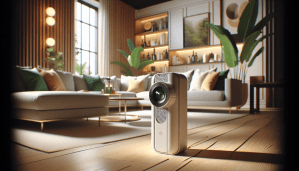
- Living Areas: Place cameras in corners for a wide view or in places where activity is naturally concentrated.
- Entry Points: Installing a camera near entry doors can help monitor visitors.
- Nurseries: Ensure the camera gives a good view of the crib while remaining discreet.
Installation Tips
Here are some handy installation tips to ensure the camera functions as intended:
- Check the Angle: Before finalizing the location, test the camera angle to ensure it captures the desired area.
- Concealment: Use furniture or household items to obscure the camera without blocking its view.
- Plug or Charge: Ensure the camera is plugged in or has enough battery life to function throughout its monitoring period.
Once installed, you’ll want to test it out, ensuring it works as expected.
Monitoring and Managing Footage
Having a hidden camera is only part of the equation; you also need to manage the footage effectively.
Storage Options
Most hidden cameras come with storage options, which include:
-
Local Storage: Many cameras save footage to an SD card. The downside is that retrieving footage requires physical access to the camera.
-
Cloud Storage: Some models offer cloud services for remote access. This feature not only provides convenience but also ensures the footage is safe from physical tampering.
Reviewing Footage
Regularly reviewing footage helps you stay updated on the situation. Consider setting a schedule to check in on the recorded video, making sure nothing significant has gone unnoticed.
Deleting Footage
Always keep an eye on storage space. If your camera has limited storage capacity, remember to delete old footage regularly to free up space for new recordings.
Ethical Use of Hidden Cameras
It’s essential to utilize hidden cameras ethically. Misusing surveillance technology can lead to ethical dilemmas and legal issues.
Respecting Privacy
When employing hidden cameras, always respect the privacy of individuals. This means carefully selecting what areas are monitored and obtaining consent when necessary. Understand that these devices should not be used to invade personal spaces unreasonably.
Building Trust
Trust is vital in any relationship, whether at home or work. If you plan to utilize hidden cameras, consider having open discussions with those they may affect. This approach can pave the way for transparency and understanding.
Conclusion
Hidden cameras can be powerful tools when used responsibly, whether for security, monitoring, or curiosity. By understanding how they work, the legal and ethical implications, and how to choose and manage them effectively, you can ensure that your experience is both rewarding and respectful of those around you.
With a little careful planning and knowledge, you can use hidden cameras to create a safer and more secure environment while maintaining the respect and privacy of others. Always remember, with great power comes great responsibility. Make sure your use of hidden cameras aligns with ethical standards and local laws, and enjoy the peace of mind they can offer when used properly.