
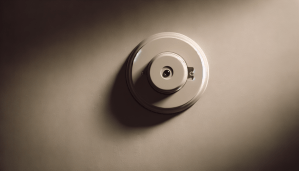
What do you think about the surge in covert camera usage in public and private spaces?

Understanding Covert Cameras
Covert cameras are surveillance devices designed to be discreet and hidden from plain sight. They come in various forms, such as smoke detectors, alarm clocks, or even everyday objects like picture frames. The primary purpose of these cameras is to monitor activities without the knowledge of those being filmed. While they can serve legitimate purposes, they raise significant questions regarding privacy rights.
Types of Covert Cameras
It’s essential to understand the different types of covert cameras available today. This knowledge can help you make informed decisions, whether they’re about installation, usage, or compliance with legal standards.
| Type of Covert Camera | Description |
|---|---|
| Wired Covert Cameras | Connected to a power source and recording device via wires. |
| Wireless Covert Cameras | Operate on battery power and transmit data wirelessly. |
| IP Cameras | Use internet protocol to transmit data and can be accessed remotely. |
| Motion-Activated Cameras | Turn on automatically when they detect movement. |
| Hidden Cameras in Everyday Objects | Embedded within commonly used items to avoid detection. |
Each type comes with its pros and cons, especially regarding clarity, mobility, and installation concerns.
The Rise of Covert Cameras
As technology has progressed, the use and availability of covert cameras have significantly increased. You can see them being used in various sectors, including homes, workplaces, and even in public spaces. But what does this mean for your privacy?
Reasons for Increased Usage
The surge in covert camera usage can be attributed to several factors:
-
Security Concerns: Many people install covert cameras in their homes and businesses as a response to rising crime rates. These devices give a sense of security for your family and property.
-
Monitoring Work Environments: Employers may use covert cameras to ensure compliance with safety measures or monitor productivity, raising ethical questions about employee privacy.
-
Child and Elder Care: Parents and guardians might use these cameras to ensure the safety of children or elderly family members, particularly when they’re being cared for by someone else.
While these reasons may be justifiable, it’s crucial to consider the boundaries of privacy and where surveillance can become intrusive.
Balancing Security and Privacy
You might be wondering how to find a balance between security and privacy. This situation often involves navigating legal statutes, ethical considerations, and personal values.
Legal Framework Surrounding Covert Cameras
Different countries and regions have established laws governing the use of covert cameras. Familiarizing yourself with these laws can help you understand what is permissible in your area.
Key Points to Consider:
-
Notification: In many places, you are required to notify individuals when they are being recorded, especially in private spaces.
-
Consent: Some regions mandate obtaining consent from individuals before recording them, regardless of the setting.
-
Data Protection Regulations: Laws such as GDPR in the European Union impose strict regulations on how captured data is stored and processed.
Navigating the legal maze can be complex, so consulting a legal professional can ensure you’re compliant with all applicable laws.
Ethical Implications of Surveillance
Beyond the legal issues, there are profound ethical considerations. While security is vital, respecting others’ privacy is equally essential. You might want to think about:
-
Intent: Ask yourself what your intentions are for monitoring someone. If the motivation is purely for security, weigh whether the potential breach of privacy is justified.
-
Scope of Surveillance: Consider if the surveillance is limited to public areas or if it’s extended to private spaces. The implications differ significantly based on the location.
-
Potential for Misuse: Covert cameras can sometimes be used for malicious purposes. It is crucial to ensure that this technology is used responsibly.
Impact on Personal Privacy Rights
The widespread use of covert cameras impacts personal privacy rights significantly. It raises numerous questions about who gets to watch whom and under what circumstances.
Right to Privacy
In many regions, the right to privacy is recognized as a fundamental human right. This right extends to your personal space and the activities you perform in private settings. Covert cameras can infringe upon this right, leading to feelings of vulnerability and insecurity.
Surveillance in Public Spaces
While being monitored in public may seem less intrusive, it still poses privacy concerns. When you step outside, does your right to be anonymous and unobserved diminish?
Emotional and Psychological Effects
Knowing that you are under constant surveillance can lead to anxiety and stress. Studies have shown that the feeling of being watched can alter behavior, causing people to act differently—often more cautiously or defensively.
Case Studies and Legal Battles
Real-world examples often illustrate the complexities surrounding covert cameras and privacy rights. Examining these cases can provide insights into the ongoing debates on surveillance and privacy.
Notable Cases
-
The Cambridge Analytica Scandal: This case highlighted how personal data captured without consent can have devastating consequences.
-
Workplace Monitoring Cases: Various lawsuits have emerged regarding workplace surveillance, where employees successfully argued that their right to privacy was violated.
-
Domestic Surveillance: Several instances of unauthorized home surveillance have resulted in court battles, showcasing the need for clear legal standards in personal spaces.
Through these cases, the importance of understanding both your legal rights and ethical considerations becomes evident.
Technology Trends Influencing Covert Surveillance
As technology advances, the capabilities and capacities of covert cameras expand dramatically. Understanding these trends can help you navigate the future of surveillance and privacy.
Higher Resolution and Quality
Modern covert cameras can capture high-resolution video, making it easier to identify individuals. With advancements in AI and machine learning, facial recognition technology is also becoming commonplace. This raises new questions about consent and the permanence of data.
Integration with Smart Technologies
The growing integration of covert cameras with other smart home technologies makes them more accessible but also raises security concerns. When these devices are connected to the internet, they can be vulnerable to hacking, which can lead to unauthorized surveillance.
Increasing Use of Drones
Drones equipped with cameras represent a new frontier in covert surveillance. These flying cameras can capture footage from a distance, creating additional layers of privacy invasion.
Protecting Your Privacy Rights
Understanding the potential effects of covert cameras on your privacy is just the beginning. Knowing how to protect your rights is the next step.
Being Informed
Education is your best ally. Familiarize yourself with privacy laws and surveillance practices in your area. Staying updated with changes in laws can help you advocate for your rights.
Taking Action
If you suspect that your privacy rights have been violated, consider taking the following steps:
-
Document Evidence: Keep a record of any unauthorized surveillance incidents. This documentation will be crucial if you decide to take legal action.
-
Contact Legal Professionals: Consult with an attorney who specializes in privacy rights to understand your options and the best actions to take.
-
Advocacy: Join or support organizations that advocate for privacy rights. Collective action can create change and strengthen legislative measures.
The Future of Covert Surveillance
The ongoing advancements in technology will likely continue shaping the landscape of surveillance and privacy. Understanding these trends can help you prepare for what lies ahead.
Legislative Changes
As awareness of privacy issues grows, we may see more robust laws and regulations aimed at protecting individual rights. Public discourse on surveillance ethics will also likely influence future legislation.
Technology Innovations
The development of better encryption and privacy-focused technologies can provide individuals with control over their data and privacy. Innovations that empower users to set their surveillance parameters could also emerge, offering a middle ground in the privacy-security debate.
Conclusion
As you consider the implications of covert cameras on your privacy rights, it’s important to weigh the balance between security and personal privacy. With laws evolving and technology advancing, staying informed and proactive can empower you to protect your rights.
Despite the benefits that covert cameras offer in terms of security and monitoring, their use must be navigated carefully. Understanding your rights, the ethical implications, and the legal framework can help you make informed choices about surveillance in your life, ensuring that your privacy remains respected while taking advantage of the technology that surrounds us.