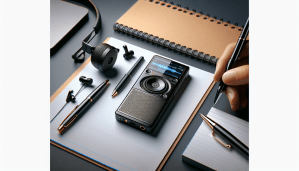
How to Choose the Best Voice-Activated Recorder
Are you in the market for a voice-activated recorder but overwhelmed by the sheer number of options available? Choosing the best one for your needs can be a daunting task, but fear not, as we are here to guide you through the process step by step.

What is a Voice-Activated Recorder?
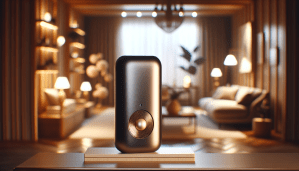
Let’s start by understanding what a voice-activated recorder (VAR) actually is. Essentially, a VAR is a device that is capable of recording audio only when it detects sound, hence the term “voice-activated.” This feature allows for hands-free recording and eliminates the need to sift through hours of silence when reviewing recordings.
Voice-activated recorders come in various shapes and sizes, with differing features and capabilities to suit a wide range of needs. From simple devices meant for note-taking to more advanced models used for professional interviews, meetings, and dictations, there is a VAR out there for everyone.
What Are the Benefits of Using a Voice-Activated Recorder?
Wouldn’t it be great to always capture those brilliant ideas or important conversations without having to manually press a button every time you want to start recording? With a voice-activated recorder, you can do just that.
Whether you are a student taking notes in class, a journalist conducting interviews, or a business professional attending meetings, a VAR can be an invaluable tool. The ability to record only when sound is detected not only saves time but also ensures that you never miss a crucial moment during a recording session.
Factors to Consider When Choosing a Voice-Activated Recorder
Now that you have a better understanding of what a VAR is and its benefits, let’s dive into the factors you should consider when selecting the best one for your needs.
1. Recording Quality
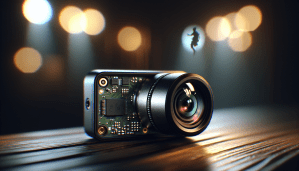
The primary function of any voice-activated recorder is to capture audio, so it goes without saying that recording quality should be a top priority. Look for a device that offers clear, crisp sound with minimal background noise interference.
Pay attention to the microphone quality and recording format supported by the VAR. Devices with high-quality microphones and support for popular audio formats like WAV and MP3 tend to produce better recordings.
2. Storage Capacity
Another crucial factor to consider is the storage capacity of the voice-activated recorder. Depending on your recording needs, you may require more or less space to store your recordings.
Consider how long you typically record for and whether you need the ability to store a large volume of recordings before transferring them to a computer or external storage device. Opt for a device with expandable memory if you foresee needing additional storage space in the future.
3. Battery Life
There’s nothing worse than running out of battery in the middle of an important recording session. When choosing a voice-activated recorder, pay attention to the battery life offered by the device.
Look for models with long-lasting batteries or the option to replace or recharge them easily. If you anticipate needing to record for extended periods without access to a power source, consider investing in a recorder with a robust battery life.
4. Design and Portability
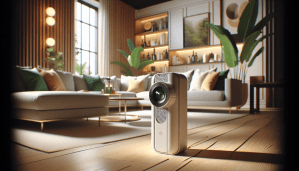
The design and portability of a voice-activated recorder can greatly impact its usability. Choose a device that is compact, lightweight, and easy to carry around.
Consider how and where you plan to use the VAR – whether it’s in a classroom, office, or on the go. Pick a recorder that fits comfortably in your hand or pocket and has an intuitive interface for quick and easy access to recording functions.
5. Connectivity Options
In an age where connectivity is key, consider the connectivity options offered by the voice-activated recorder. Look for devices that support USB, Bluetooth, or Wi-Fi connectivity for seamless transfer of recordings to other devices.
Having the flexibility to easily share, backup, or sync your recordings across multiple platforms can be a significant advantage, especially if you work in a collaborative environment or need to access recordings on different devices.
6. Additional Features
Beyond the basic recording capabilities, voice-activated recorders can come with a variety of additional features to enhance functionality and user experience.
Look for features like voice recognition, noise cancellation, transcription software compatibility, and timestamping to make recording, playback, and organization more efficient. Consider what additional features are important to you based on your specific recording needs.
Types of Voice-Activated Recorders
Now that you know what factors to consider when choosing a voice-activated recorder, let’s explore the different types available on the market.
1. Basic Note-Taking Recorders
Perfect for students, professionals, or anyone looking for a simple solution to capture ideas, thoughts, or notes on the go. Basic note-taking recorders typically have limited storage capacity and recording quality but are easy to use and budget-friendly.
2. Interview and Meeting Recorders
Designed for professionals who conduct interviews, attend meetings, or need to record lectures, these voice-activated recorders offer higher recording quality, better microphone sensitivity, and longer battery life. They often come with advanced features like noise reduction and multiple recording modes.
3. Dictation Recorders
Ideal for business professionals, writers, or individuals who dictate notes, memos, or letters, dictation recorders offer superior sound quality, ergonomic design, and compatibility with transcription software. They are optimized for clear voice recording and feature user-friendly interfaces for easy navigation.
4. Spy and Security Recorders
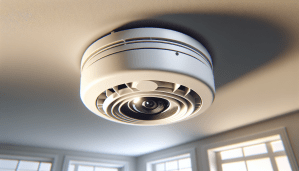
Used for covert surveillance, personal security, or investigative purposes, spy and security recorders are discreet, compact devices that can capture audio without drawing attention. They often have advanced features like voice activation, motion detection, and long standby times for discreet monitoring.
How to Test a Voice-Activated Recorder
Once you have narrowed down your options and selected a few voice-activated recorders that meet your criteria, it’s time to put them to the test.
1. Recording Test
Record a sample audio clip in different environments to test the recording quality, microphone sensitivity, and background noise suppression of each device. Listen to the recordings carefully to evaluate the clarity and overall sound reproduction.
2. Battery Test
Conduct a battery test by recording continuously for an extended period to gauge the battery life of the voice-activated recorder. Check how long the device lasts on a single charge and whether it meets your recording needs without running out of power.
3. Ergonomic Test
Test the ergonomics of the voice-activated recorder by holding and operating it as you would during a real recording session. Ensure that the device is comfortable to hold, easy to access the recording buttons, and navigate the menu options without any hassle.
4. Connectivity Test
If the voice-activated recorder offers connectivity options like USB or Bluetooth, test the transfer speed and ease of connecting the device to other devices. Check whether the recordings can be easily transferred, shared, or backed up without any technical issues.
Conclusion
In conclusion, choosing the best voice-activated recorder for your needs doesn’t have to be a complicated process. By considering factors like recording quality, storage capacity, battery life, design, connectivity options, and additional features, you can select a device that meets your requirements and enhances your recording experience.
Remember to test the voice-activated recorder before making a final decision to ensure that it meets your expectations and provides the functionality you need. Happy recording!