
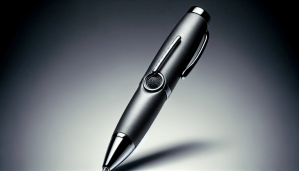
Have you ever felt like someone is listening in on your private conversations? Whether you have suspicions of being recorded at work, at home, or in public places, a hidden microphone could be the culprit. In this article, you will discover the different types of hidden microphones, how they work, and tips on how to detect and protect yourself from potential spying.

How Do Hidden Microphones Work?
Hidden microphones, also known as covert listening devices, are designed to pick up sound waves and convert them into electrical signals that can be transmitted or recorded for listening at a later time. These tiny devices can be concealed in everyday objects such as pens, clocks, or even clothing, making it difficult to detect them without the proper equipment.
Have you ever wondered how a hidden microphone can pick up your conversations from a distance? It’s all about capturing sound waves and converting them into electrical signals for transmission or recording. These covert listening devices can be disguised in various objects, making them hard to spot with the naked eye.
Types of Hidden Microphones
There are several types of hidden microphones that serve different purposes and have varying ranges of detection. Let’s take a closer look at some of the most common types:
Wired Microphones
Wired hidden microphones are directly connected to a recording or transmitting device through a physical cable. These microphones are often used in professional audio recording setups but can also be used for covert surveillance purposes. Since they require a physical connection, they are less common for spying activities due to the limitations of wire length and visibility.
Wired hidden microphones are connected to a recording or transmitting device with a physical cable, making them less discreet than other types of hidden microphones. While they are commonly used in professional audio recording setups, their use in covert surveillance is limited due to the need for a visible wire connection.
Wireless Microphones
Wireless hidden microphones operate without a physical connection to a recording or transmitting device, making them more difficult to detect. These microphones use radio frequency signals to transmit audio to a remote receiver, allowing for more flexibility in surveillance activities. However, wireless microphones can be vulnerable to interference from other wireless devices and have a limited range compared to wired microphones.
Wireless hidden microphones are more discreet than wired microphones as they do not require a physical connection to a recording or transmitting device. Operating on radio frequency signals, these microphones can transmit audio to a remote receiver, providing flexibility in surveillance. However, they may experience interference from other wireless devices and have a shorter range.
GSM Listening Devices
GSM listening devices are hidden microphones that operate on the Global System for Mobile Communications (GSM) network, allowing for remote monitoring and recording of audio. These devices are equipped with SIM cards and can be accessed by calling or texting the phone number associated with the SIM card. GSM listening devices are commonly used for eavesdropping or surveillance purposes due to their remote accessibility and discreet nature.
GSM listening devices use the GSM network for remote monitoring and recording of audio by utilizing SIM cards for access. These devices can be controlled by calling or texting the associated phone number, making them a popular choice for covert surveillance activities.
How to Detect Hidden Microphones
Now that you have an understanding of the different types of hidden microphones, you may be wondering how to detect them in your environment. Here are some tips on how to detect hidden microphones:
Physical Inspection
Perform a thorough physical inspection of your surroundings, looking for any out-of-place or unusual objects that could potentially conceal a hidden microphone. Pay close attention to everyday items such as clocks, picture frames, smoke detectors, and electrical outlets, as these are common hiding spots for covert listening devices.
When trying to detect hidden microphones, start by conducting a visual inspection of your surroundings for any objects that seem out of place or suspicious. Keep an eye out for everyday items like clocks, picture frames, smoke detectors, and electrical outlets, as these are common hiding spots for covert listening devices.
Radio Frequency (RF) Sweep
Use an RF detector or bug sweeper to scan for radio frequency signals emitted by wireless hidden microphones. These devices can detect the presence of transmitting devices within a certain range and alert you to their presence through audio or visual cues. Conduct a thorough sweep of your home, car, or office to ensure that no hidden microphones are recording your conversations without your knowledge.
To further ensure that your space is free of hidden microphones, consider using an RF detector or bug sweeper to scan for radio frequency signals. These devices can detect transmitting devices within a specific range and notify you of any potential threats using audio or visual signals. Conduct regular sweeps of your environment to maintain privacy and security.
Infrared Detection
Infrared detectors can also be used to detect the presence of hidden microphones that emit heat signatures. These devices can pick up on the thermal radiation emitted by electrical components within covert listening devices, helping you identify potential threats in your surroundings. Invest in an infrared detection device to supplement your security measures and protect your confidential conversations.
In addition to RF detection, consider using infrared detectors to identify hidden microphones that emit heat signatures. These devices can detect thermal radiation from electrical components within covert listening devices, assisting you in locating potential threats. Enhance your security by incorporating infrared detection into your surveillance protocol.
Protecting Yourself from Hidden Microphones
Now that you’ve learned how to detect hidden microphones, it’s essential to take proactive measures to protect yourself from potential eavesdropping. Here are some tips on how to safeguard your privacy and secure your conversations:
Secure Your Home
Regularly inspect your home for any signs of hidden microphones and conduct routine sweeps using detection devices to ensure your privacy. Be cautious when allowing maintenance workers, repair technicians, or unfamiliar visitors into your home, as they may attempt to plant covert listening devices during their visit. Secure your windows, doors, and other entry points to prevent unauthorized access and protect your confidentiality.
Ensure the safety of your home by frequently checking for hidden microphones and using detection devices to maintain privacy. Exercise caution when allowing strangers into your home, as they may attempt to install covert listening devices without your knowledge. Strengthen your home security by fortifying windows, doors, and other entryways to deter unauthorized entry and safeguard your conversations.
Encrypt Your Communication
Encrypt your phone calls, text messages, and emails to prevent unauthorized access to sensitive information. Use secure communication methods such as end-to-end encryption apps and virtual private networks (VPNs) to shield your conversations from potential interception. Avoid discussing confidential matters over unsecured channels and limit the sharing of personal details to trusted individuals to reduce the risk of eavesdropping.
To protect your communication from prying ears, encrypt your phone calls, text messages, and emails using secure methods. Utilize end-to-end encryption applications and VPNs to shield your conversations from interception and maintain confidentiality. Exercise caution when sharing personal details and avoid discussing sensitive topics over insecure platforms to minimize the threat of eavesdropping.
Conduct Electronic Sweeps
Regularly conduct electronic sweeps of your electronic devices, including smartphones, laptops, tablets, and smart home devices, to detect any hidden spyware or malware. Use reputable antivirus software and security tools to scan for malicious programs that may be compromising the security of your devices. Be vigilant against phishing attempts and refrain from clicking on suspicious links or downloading unknown files to prevent unauthorized access to your data.
Keep your electronic devices secure by routinely scanning for spyware or malware that may compromise their integrity. Employ trustworthy antivirus software and security utilities to identify and remove malicious programs that could jeopardize your device’s security. Stay alert to phishing scams and refrain from interacting with dubious links or downloading unfamiliar content to uphold the confidentiality of your information.
Seek Professional Assistance
If you suspect that you are being spied on or monitored through hidden microphones, seek professional assistance from a security expert or private investigator. These professionals can conduct a comprehensive sweep of your environment, identify potential threats, and provide recommendations on how to enhance your security measures. Work with trusted professionals to address your concerns and safeguard your privacy effectively.
Don’t hesitate to seek help from security experts or private investigators if you suspect that hidden microphones are compromising your privacy. These professionals can assist you by thoroughly scanning your surroundings, pinpointing potential risks, and advising you on ways to strengthen your security protocols. Collaborate with experienced professionals to address your worries and fortify your privacy effectively.
In conclusion, hidden microphones are covert listening devices that can pose a threat to your privacy and security if used for malicious purposes. By understanding how these devices work, recognizing common types of hidden microphones, knowing how to detect them, and taking proactive steps to protect yourself, you can safeguard your confidential conversations and maintain your peace of mind. Stay vigilant, stay informed, and stay safe from potential eavesdropping activities.
Now that you have an understanding of hidden microphones and how to protect yourself from them, you can take proactive measures to safeguard your privacy and security. Stay informed, stay vigilant, and empower yourself with the knowledge to detect and prevent potential eavesdropping activities. Prioritize your confidentiality, trust your instincts, and take control of your security to preserve the sanctity of your private conversations.