
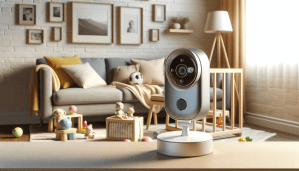
Have you ever wondered about the legalities surrounding the use of nanny cams in your home? You’re not alone! This growing interest comes from the need to ensure safety and monitor caregivers who look after your little ones. With that in mind, let’s break down what you need to know about the legal use of nanny cams.

Understanding Nanny Cams
Nanny cams, or surveillance cameras, serve as tools that can give you peace of mind when it comes to the care of your children. These cameras can help you monitor interactions between caregivers and kids, ensuring that your loved ones are in safe hands.
What is a Nanny Cam?
A nanny cam is a hidden or visible video camera positioned in your home to observe caregivers, typically nannies or babysitters, while they look after your children. The primary goal is to ensure the safety and well-being of the kids in the caregiver’s presence.
Purpose of Nanny Cams
You may use nanny cams for several reasons:
- Monitoring Care: Ensure that your children receive proper care.
- Method of Communication: Some cameras allow for two-way audio, letting you communicate with your kids or the caregiver.
- Deterrence: The knowledge of being recorded might discourage inappropriate behavior.
The Legalities of Nanny Cams
Before setting up a nanny cam, understanding the legal framework is crucial. Laws regarding the use of surveillance operations vary widely from state to state.
Federal vs. State Laws
Generally, federal law governs the use of video surveillance in public spaces, while state law applies to private areas, like your home. Here are a few essential considerations:
| Aspect | Federal Law | State Law |
|---|---|---|
| Expectation of Privacy | No expectation of privacy in public areas | Expectation of privacy in private areas |
| Consent | No federal consent requirement for video monitoring if in public | Most states require consent for in-home surveillance |
| Audio Recording | Restricted under the Wiretap Act | Varies; many states require consent for audio capture |
One-Party vs. All-Party Consent States
Some states have “one-party consent” laws, where you can record without notifying anyone, while others require “all-party consent,” meaning everyone being recorded must be aware. Knowing the laws specific to your state is essential.
Summary of Key States
| State | Consent Requirement |
|---|---|
| California | All-party consent needed |
| New York | One-party consent allowed |
| Texas | One-party consent allowed |
| Florida | Two-party consent required |
Situations Where Nanny Cams are Permissible
You may be curious about when, exactly, you can use these devices legally. Here are some permissible situations:
Monitoring Your Children
You have every right to monitor your children for safety measures. As long as you are in a legal position to record and you comply with the consent laws in your state, you can use cameras for this purpose.
Documenting Behavior
If you suspect inappropriate behavior from a caregiver, you can legally install a nanny cam. Documenting any concerning actions might protect you legally and provide evidence should any issues arise.
Security Purposes
Nanny cams can also function as a form of home security. If your home is susceptible to crime, then monitoring caregivers can overlap with safeguarding your property and your family.
Situations Where Nanny Cams Might Be Illegal
Now that we’ve reviewed the situations where nanny cams are permissible, it’s equally vital to consider cases where it might be illegal or dangerous to use them.
Hidden Cameras in Private Spaces
Placing a hidden camera in a private area, like a bathroom, is generally illegal. Even with good intentions, this invasion of privacy can lead to significant legal ramifications.
Failing to Notify Caregivers
In states where you need all-party consent for audio or video recording, failing to notify caregivers may result in severe penalties. Always ensure that caregivers know they are being recorded if required by law.
Using Footage Antagonistically
If you’re using recorded footage for harassment or manipulation, you may violate the law or ethical standards. Make sure that your video footage serves a beneficial purpose and does not infringe on others’ rights.
Ethical Considerations in Using Nanny Cams
Legal implications aside, ethics also play a crucial role in whether or not you decide to install a nanny cam.
Trust vs. Surveillance
Having a nanny cam can sometimes signal a lack of trust towards your caregiver. You want to balance monitoring your child’s safety and fostering a trusting relationship with your caregiver. Open communication about surveillance can pave the way for mutual understanding.
Transparency
Being upfront with caregivers about the camera can lead to better working relationships. Transparency not only builds trust but also helps your caregivers feel respected and secure in their roles.
Consider Alternatives
Instead of relying solely on video surveillance, consider employing other methods to ensure your child’s safety. For example, regular check-ins, employing a reputable agency, and developing close relationships can supplement your peace of mind seamlessly.
Key Takeaways
As you contemplate implementing a nanny cam in your home, here are several key points to remember:
- Familiarize yourself with both federal and state laws regarding surveillance.
- Know your rights and obligations around consent—both for audio and visual recording.
- Seriously consider the ethical implications of installing a nanny cam.
- Build a relationship of trust with the caregiver, and communicate openly about your intentions.
Conclusion
Navigating the legal world of nanny cams might feel a bit overwhelming, but keeping the above considerations in mind can help clarify your position. At the end of the day, ensuring the safety and well-being of your children is your top priority. Being informed is a crucial step in achieving both safety and peace of mind regarding the caregivers you trust to take care of your little ones. It’s not just about monitoring; it’s about ensuring that your home environment is safe, secure, and conducive to your family’s well-being.