Are you looking to improve the quality of your audio recordings?
If you’re currently dissatisfied with the sound quality of your recordings, you’ve come to the right place. In this guide, you will learn everything you need to know about high-fidelity audio recording, including tips, tricks, and tools to help you achieve professional-grade results.

Understanding High-Fidelity Audio Recording
High-fidelity audio recording refers to the capturing and reproduction of sound in a way that is faithful to the original source. In other words, it aims to preserve the nuances, dynamics, and subtleties of the sound without distortion or loss of quality. By recording in high fidelity, you can create recordings that are crisp, clear, and true to life.
Benefits of High-Fidelity Audio Recording
The main benefit of high-fidelity audio recording is the improved sound quality it provides. By capturing sound with greater detail and accuracy, you can create recordings that sound more vibrant, realistic, and immersive. Whether you’re recording music, podcasts, or voiceovers, high fidelity can make a significant difference in how your content is perceived by your audience.
High-Fidelity Audio Recording Essentials
To achieve high-fidelity audio recordings, you’ll need the right equipment and tools. Here are some essentials to consider:
1. Microphone
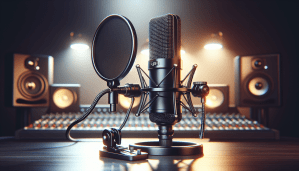
The microphone is arguably the most important piece of equipment for high-fidelity audio recording. Look for a microphone with a wide frequency response, low noise floor, and high sensitivity to capture sound accurately. Condenser microphones are commonly used for their ability to capture subtle details.
2. Audio Interface
An audio interface is essential for connecting your microphone to your computer. It acts as a bridge between the analog and digital worlds, converting analog audio signals into digital data that can be processed and recorded on your computer. Choose an audio interface with high-quality preamps for the best results.
3. Digital Audio Workstation (DAW)
A DAW is software that allows you to record, edit, and mix your audio recordings. There are many DAWs available, each with its own set of features and capabilities. Popular options include Pro Tools, Logic Pro, and Ableton Live. Choose a DAW that suits your workflow and budget.
4. Headphones
Quality headphones are essential for monitoring your recordings accurately. Look for headphones that provide a flat frequency response and good isolation to hear the nuances of your recordings. Closed-back headphones are often preferred for recording to prevent sound leakage.
5. Acoustic Treatment
Proper acoustic treatment can make a significant difference in the sound quality of your recordings. Consider treating your recording space with acoustic panels, bass traps, and diffusers to reduce unwanted reflections, standing waves, and noise. A well-treated room can help you achieve a more natural and balanced sound.
Tips for High-Fidelity Audio Recording
Now that you have the essentials in place, here are some tips to help you achieve high-fidelity audio recordings:
1. Choose the Right Recording Environment
Select a quiet and acoustically treated room for recording to minimize background noise and reverberations. Avoid recording in rooms with hard surfaces that can cause reflections and distortions in your recordings.
2. Mic Placement
Experiment with microphone placement to find the sweet spot for capturing the desired sound. Consider the distance between the microphone and the sound source, as well as the angle and orientation of the microphone. Small adjustments can make a big difference in the quality of your recordings.
3. Monitor Levels
Pay attention to your recording levels to avoid clipping and distortion. Aim for a healthy signal level that peaks around -6 dB to -3 dB to leave headroom for processing and mastering. Use your audio interface’s meters or the meters in your DAW to monitor your levels in real-time.
4. Use High-Quality Cables
Invest in high-quality cables to ensure a clean and reliable signal flow between your microphone, audio interface, and other devices. Avoid using damaged or low-quality cables that can introduce noise, interference, and signal loss in your recordings.
5. Practice Good Mic Technique
Practice proper microphone technique to get the best results from your microphone. Maintain a consistent distance from the microphone, speak or play with good articulation and dynamics, and minimize handling noise and other unwanted sounds. Good mic technique can make a significant difference in the clarity and quality of your recordings.
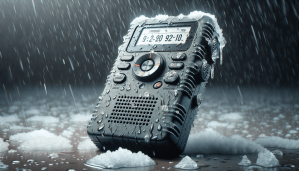
High-Quality Covert Voice Recorders
If you’re looking for a high-quality covert voice recorder for capturing discreet audio recordings, here are some options to consider:
1. Sony ICD-PX370
The Sony ICD-PX370 is a compact and portable voice recorder that offers high-quality audio recording in a discreet package. It features built-in stereo microphones, a long battery life, and easy-to-use controls for capturing clear and detailed audio.
2. Olympus WS-853
The Olympus WS-853 is a versatile voice recorder that combines high-quality audio recording with advanced features for capturing discreet recordings. It features a built-in USB connector, noise cancellation technology, and a low-cut filter for optimal sound quality in various recording environments.
3. Zoom H1n
The Zoom H1n is a professional-grade voice recorder that offers high-fidelity audio recording in a compact and portable design. It features built-in X/Y stereo microphones, multiple recording formats, and advanced audio processing capabilities for capturing pristine sound in any situation.
Conclusion
Achieving high-fidelity audio recordings requires the right equipment, techniques, and practices. By investing in quality gear, setting up your recording environment properly, and following good recording practices, you can create recordings that sound clear, detailed, and true to life. Whether you’re a musician, podcaster, or content creator, high fidelity can take your audio recordings to the next level. So, what are you waiting for? Start recording in high fidelity today and elevate the quality of your audio content.