
Is It Legal to Secretly Record Conversations?
Have you ever wondered about the legality of secretly recording conversations? In this article, we will explore the rules and regulations surrounding secret audio recording devices, also known as spy recorders. Let’s dive into the topic and uncover the truth behind the legality of secretly recording conversations.

Understanding the Laws on Secretly Recording Conversations
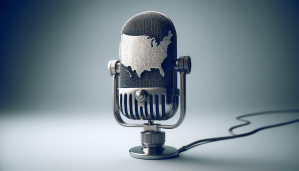
When it comes to secretly recording conversations, the laws can vary depending on the state or country you are in. In the United States, federal law permits recording a conversation as long as one party consents to the recording. This means that as long as you are participating in the conversation, you can legally record it without informing the other party.
One-party Consent States
In most states in the U.S., only one party needs to be aware of and consent to the recording of a conversation in order for it to be legally permissible. This essentially means that you can record any conversation that you are a part of, without the knowledge or consent of the other party.
Two-party Consent States
However, there are a few states within the U.S. that require the consent of all parties involved in a conversation in order for it to be legally recorded. These states are known as “two-party consent” states. It is important to be aware of the laws in your specific state to avoid any legal consequences when using a secret recording device.
Workplace and Confidentiality
When it comes to the workplace, there are additional considerations to take into account. In most workplaces, employees have a reasonable expectation of privacy when it comes to their conversations. In these cases, recording conversations without consent may violate confidentiality agreements or workplace policies.
Ethical Considerations
Beyond the legal implications, there are also ethical considerations to keep in mind when using secret recording devices. Before engaging in recording conversations, it’s important to consider the ethical implications of such actions. Ask yourself if the potential benefit of recording the conversation outweighs the ethical concerns.
Proper Use of Secret Recording Devices
If you find yourself in a situation where you believe it is necessary to record a conversation, it is important to use the device responsibly and ethically. Avoid using secret recording devices for malicious or unlawful purposes, as this can lead to legal consequences and ethical dilemmas.
Recording in Public Places
In many jurisdictions, recording conversations that occur in public places, where there is no expectation of privacy, is generally considered legal. If you are recording conversations in a public setting, be aware of your surroundings and ensure that you are not violating any laws or regulations.
Privacy Concerns and Civil Rights
While recording conversations can sometimes be legally permissible, it is essential to be mindful of the privacy concerns and civil rights of all individuals involved. Respect the boundaries of others and refrain from recording conversations that could infringe on someone’s privacy rights.
Legal Ramifications of Secretly Recording Conversations
The consequences of illegally recording conversations can vary depending on the circumstances and the laws in your jurisdiction. In some cases, illegally recording conversations can result in criminal charges, civil lawsuits, and damage to one’s reputation. It is crucial to understand the legal ramifications before using secret recording devices.
Using Secret Recording Devices Responsibly
To avoid the legal and ethical pitfalls of secretly recording conversations, it is essential to use these devices responsibly. Be mindful of the laws in your jurisdiction, obtain consent when necessary, and avoid using secret recording devices for unlawful or unethical purposes.
Conclusion
In conclusion, the legality of secretly recording conversations depends on various factors, including the laws in your jurisdiction, the consent of all parties involved, and the ethical considerations at play. It is important to educate yourself on the laws surrounding secret recording devices and use them responsibly to avoid any legal or ethical complications. By understanding the rules and regulations, you can make informed decisions when it comes to recording conversations.