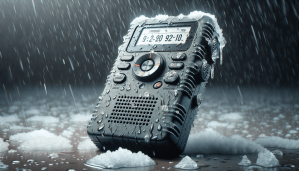

My Experience with Using a Voice Recorder in Journalism
I’ve always found using a voice recorder to be incredibly helpful in my journalism work. Not only does it allow me to capture accurate quotes, but it also helps in transcribing interviews quickly and efficiently.

Benefits of Using a Voice Recorder in Journalism
Using a voice recorder in journalism comes with a multitude of benefits. Not only can it provide accurate quotes, but it also allows for a more seamless workflow when transcribing interviews. Additionally, it can help ensure that no important information is missed during an interview.
Types of Voice Recorders
There are several types of voice recorders available, ranging from simple handheld devices to more advanced digital recorders. Handheld voice recorders are easy to use and can often provide sufficient audio quality for interviews. Digital voice recorders, on the other hand, offer more features such as noise cancellation and longer recording times.
Handheld Voice Recorders
Handheld voice recorders are compact and easy to carry around, making them convenient for on-the-go journalists. They often come with basic features such as playback options and a built-in microphone, making them suitable for simple recording tasks.
Digital Voice Recorders
Digital voice recorders are more advanced and offer a range of features that can be beneficial for journalists. These include noise cancellation technology, longer battery life, and the ability to connect to a computer for easier file transfer and storage. While they may be more expensive, digital voice recorders can be a worthwhile investment for journalists who require higher audio quality.
Tips for Using a Voice Recorder in Journalism
To make the most out of using a voice recorder in journalism, here are some tips to keep in mind:
1. Test Your Voice Recorder Before Interviews
Before conducting any interviews, it’s important to test your voice recorder to ensure that it is working correctly. Check the battery life, recording quality, and storage capacity to avoid any technical issues during interviews.
2. Use External Microphones for Better Audio Quality
If you’re looking to improve the audio quality of your recordings, consider using an external microphone with your voice recorder. External microphones can help reduce background noise and capture clearer audio, especially in noisy environments.
3. Position the Voice Recorder Properly
When recording interviews, make sure to position the voice recorder close to the speaker’s mouth to capture clear and audible audio. Avoid placing the recorder too far away or in noisy environments to prevent distorted recordings.
4. Transcribe Interviews Promptly
After conducting interviews, make it a priority to transcribe them promptly. This will help ensure that you capture accurate quotes and information while it’s still fresh in your memory.
5. Back Up Your Recordings
To prevent any loss of data, always remember to back up your recordings regularly. Whether it’s through cloud storage or external drives, having a backup of your recordings can save you from any unforeseen technical mishaps.
Common Mistakes to Avoid
While using a voice recorder in journalism can be incredibly beneficial, there are common mistakes to watch out for:
1. Not Checking Recording Levels
Before starting an interview, always check the recording levels on your voice recorder. Adjust the levels to ensure that the audio is neither too loud nor too soft, as this can affect the quality of your recordings.
2. Forgetting to Save Recordings
Save your recordings immediately after each interview to avoid accidentally deleting or losing them. It’s a simple step that can save you from losing valuable data.
3. Over-relying on Voice Recorder
While a voice recorder can be a valuable tool, remember that it’s always important to take notes during interviews as well. Relying solely on your voice recorder can lead to missed details or important information that wasn’t captured in the recording.
4. Neglecting to Inform Interviewees
Always inform interviewees that you will be recording the interview using a voice recorder. This not only ensures transparency but also allows them to make an informed decision about what they say and how it may be used in your journalism work.
Conclusion
Using a voice recorder in journalism can significantly improve the efficiency and accuracy of your work. By following these tips and avoiding common mistakes, you can make the most out of your voice recorder and produce high-quality journalism content.