
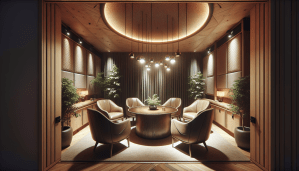
Have you ever wondered how to ensure that your most confidential discussions remain private? In an age where privacy concerns are increasingly significant, establishing a secure space for sensitive conversations is not just a necessity but a priority. Let’s break down the essential elements of creating this secure room, tailored to safeguard your discussions.

Understanding the Need for a Secure Room
Creating a secure room hinges on the recognition of the importance of confidentiality. In both personal and professional environments, sensitive conversations may involve financial information, personal secrets, or critical business strategies. Without a secure atmosphere, these discussions can become compromised, leading to negative consequences.
Why Privacy Matters
Maintaining privacy in conversations prevents the unauthorized disclosure of information. Not only does it protect personal and corporate data, but it also fosters trust in relationships. When you know that conversations are secure, you’re more likely to speak openly, which can lead to more productive discussions.
Choosing the Right Location
The location of your secure room plays a vital role in ensuring confidentiality. Ideally, it should be away from high-traffic areas to minimize the risk of eavesdropping.
Features of an Ideal Location
- Secluded Area: Look for a spot that is not easily accessible. Rooms in basements or corners of buildings tend to be quieter.
- Soundproofing: Consider using soundproofing materials such as foam panels or carpets to minimize sound leakage.
- Natural Barriers: Trees, shrubs, or other natural elements can sometimes deter curious ears outside.
Designing Your Secure Room
Once you have a location in mind, it’s time to focus on the design. The aesthetic and layout of the room can contribute to its security and comfort.
Interior Layout
- Seating Arrangement: Arrange furniture so that participants feel enclosed and less visible from outside.
- Decent Lighting: Use soft lighting to create a relaxed atmosphere while ensuring enough visibility for note-taking or discussions.
Security Features
- Locks: Ensure that the room is equipped with robust locks on the door. Electronic locks can provide added security.
- CCTV: If necessary, consider installing an internal surveillance system that doesn’t intrude on privacy but allows monitoring for unauthorized entry.
Technology Considerations
In today’s world, technology can both aid and threaten your security. It’s essential to choose the right tech solutions for your secure room.
Communication Tools
When discussing sensitive topics, traditional phones may not be secure enough.
- Encrypted Communication: Use encrypted messaging apps for discussions. Applications like Signal or WhatsApp provide secure channels.
- Secure Meetings: For virtual discussions, consider platforms with end-to-end encryption.
Audio and Video Security
If you’re employing video conferencing tools, ensure they have robust security features.
- Password Protection: Always require passwords for virtual meetings.
- Control Permissions: Limit access to invited guests to maintain your secure environment.
Soundproofing Techniques
Creating a private atmosphere is critical, and soundproofing helps achieve this goal effectively.
Effective Materials
- Acoustic Panels: These can be mounted on walls to absorb sound, helping to create a quieter environment.
- Heavy Drapes: Thick curtains not only enhance the aesthetic but also contribute to sound absorption.
DIY Soundproofing
If you’re on a budget, consider some DIY options:
- Weatherstripping: Adding weatherstripping around doors can help seal gaps where sound may escape.
- Rugs and Carpets: Lay down rugs to absorb sound waves bouncing off hard surfaces.
Privacy Protocols
Establishing clear privacy protocols is crucial. This ensures everyone understands the importance of confidentiality in your secure room.
Rules for Conversations
- No Electronic Devices: Ask participants to leave phones outside to avoid accidental recordings or leaks.
- Confidentiality Agreements: If necessary, have participants sign a document reiterating the importance of privacy.
Selecting the Right Participants
The individuals you choose to invite into your secure room are significant. Their trustworthiness and understanding of the importance of secrecy will affect the room’s overall effectiveness.
Criteria for Participation
- Trustworthiness: Ensure your participants are reliable and aware of the implications of discussing sensitive information.
- Relevance: Only bring in those directly involved or essential to the conversation to limit potential information leaks.
Building the Right Atmosphere
The environment must be conducive to open, honest discussions. It’s essential to create a comfortable but serious ambiance.
Elements of Comfort
- Temperature Control: Ensure that the room is neither too hot nor too cold to allow participants to focus.
- Comfortable Seating: Opt for ergonomic chairs that provide support for extended discussions.
Visual Aids
Having a whiteboard or flip chart can help illustrate your points without the need for digital devices. This keeps the room secure while allowing for collaborative discussion.
Legal Considerations
It’s key to acquaint yourself with relevant laws and regulations concerning privacy and confidentiality in conversations.
Confidentiality Laws
Depending on your location, there may be local, state, or federal laws regarding the sharing of private information. Always stay informed to protect yourself and your discussions legally.
Non-Disclosure Agreements (NDAs)
If you’re discussing especially sensitive information, consider having participants sign an NDA. This legal document ensures everyone is aware of their responsibilities regarding confidentiality and the consequences of breaches.
Managing Post-Conversation
After your sensitive discussion, how you manage the information shared is crucial.
Notes and Records
- Secure Storage: Any notes taken during the conversation should be stored securely and access should be limited.
- Digital Security: If notes are digital, ensure they are encrypted and that access is restricted.
Follow-Up Practices
Plan on how to follow up on discussions while maintaining secrecy:
- Private Messaging: Use secure channels only for follow-ups.
- Meeting Minutes: Summarize action items without disclosing details outside of the room.
Continuous Improvement
Creating a secure room isn’t a one-time effort. As technology and security threats evolve, so should your practices.
Regular Assessments
Conduct periodic checks to ensure that your secure room remains effective.
- Security Audits: Review your security measures regularly to identify potential areas for improvement.
- Feedback: Encourage participants to share their thoughts on the room’s security and comfort levels.
Conclusion
With the right strategies and considerations, you can create a secure room that offers peace of mind for sensitive conversations. By focusing on location, design, technology, and protocols, you can cultivate an environment where confidentiality thrives. It’s about building trust, fostering open dialogue, and ensuring that your discussions remain private. Investing in this space will not only benefit you but will also have a positive impact on your relationships and collaborations.
When you take the necessary steps to secure your conversations, you’re not just protecting information; you’re also promoting a culture of trust and security within your personal and professional circles. So, what steps will you take first towards creating your secure room?