
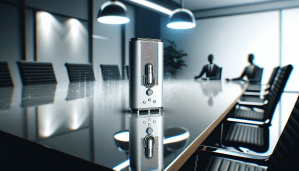
Have you ever wondered how to keep your conversations completely private? In today’s digital age, ensuring that your discussions remain secure can be quite a challenge. Whether it’s a confidential business meeting or a personal chat, the need for protection against eavesdropping is real. Enter the world of microphone jammers.

Understanding Microphone Jammers
Microphone jammers are devices designed to block audio capture from microphones. They emit signals that interfere with the functionality of recording devices, making it impossible for them to capture sound in specific areas. This technology can be invaluable for anyone looking to safeguard their conversations from unauthorized listeners.
What Do Microphone Jammers Do?
At their core, microphone jammers work by emitting noise or radio frequency signals that disrupt the ability of microphones to pick up sound. When you use a jammer, it creates an environment where microphones cannot function properly, preventing them from recording any audio. Your conversations can happen freely without the fear of being intercepted.
The Technology Behind the Jammers
Microphone jammers utilize various technologies to achieve their goal. Some common types include:
- White Noise Generators: These devices produce a consistent sound that masks speech, making it difficult for microphones to capture clear audio.
- Radio-Frequency Jammers: These emit signals that interfere with the frequencies used by wireless microphones, rendering them inoperable.
The effectiveness of a particular jammer can depend on its design and the environment in which it is used.
Why Use Microphone Jammers?
The reasons to consider using a microphone jammer are numerous. Let’s break down some of the most compelling motivations.
Protecting Sensitive Information
In situations where sensitive information is being discussed — such as in legal, medical, or corporate contexts — maintaining confidentiality is critical. A microphone jammer ensures that unauthorized devices cannot capture private conversations, allowing you to discuss matters without fear of context being leaked.
Preventing Industrial Espionage
Businesses are increasingly threatened by corporate spies and competitors seeking an edge. By utilizing a microphone jammer in strategic locations, like conference rooms, you can protect proprietary information and keep your business practices safe from prying eyes and ears.
Enhancing Personal Privacy
On a personal level, you may want certain conversations to remain private. Whether discussing financial matters or personal relationships, using a jammer can provide an added layer of security and peace of mind.
Types of Microphone Jammers
Not all microphone jammers are created equal. There are several types you can consider based on your specific needs.
Portable Jammers
Portable jammers are compact and easy to carry around. They are ideal for personal use or small group settings, ensuring your discussions remain private wherever you go. You can easily use them during business trips, meetings, or in any situation where privacy is a concern.
Fixed Jammers
Fixed jammers are usually installed in specific locations, like offices or conference rooms, to provide ongoing protection. They can cover larger areas and are often more powerful than portable models. Fixed jammers are suitable for environments where sensitive discussions occur frequently.
Advanced Jamming Systems
For those needing top-of-the-line solutions, advanced jamming systems may be available. These can include sophisticated algorithms that detect and jam specific frequencies, providing enhanced security for highly confidential conversations.
How to Choose the Right Microphone Jammer
Selecting the right microphone jammer for your needs can be daunting. Here are some factors to consider:
Purpose of Use
Are you aiming for personal privacy, or do you require corporate confidentiality? The answer to this question will guide your choice. For personal use, a portable jammer may suffice, whereas businesses might need fixed systems to ensure comprehensive coverage.
Range of Jamming
Consider how large of an area you need to cover. Portable jammers are typically effective in smaller ranges, while fixed jammers offer broader coverage. Assess your environment to select the appropriate range for your microphone jammer.
Frequency Compatibility
Microphones operate on different frequencies. Ensure that the jammer you choose can effectively block the specific frequencies of the microphones you intend to protect against.
Power Source
Portable jammers often rely on battery power, while fixed jammers may require a direct power source. Think about how you plan to use your jammer and choose accordingly.
Legal Aspects of Using Microphone Jammers
Before you invest in a microphone jammer, it’s crucial to understand the legal implications associated with their use. Laws can vary significantly by country or region.
Federal and State Regulations
In many countries, the use of jammers is highly regulated. For instance, in the United States, the Federal Communications Commission (FCC) prohibits the use of jammers that interfere with radio communications, which can include certain microphone systems.
Exceptions for Privacy
While using a microphone jammer to violate privacy laws is illegal, utilizing one to protect your own conversations may fall into a more nuanced legal area. Always consult local regulations and, if in doubt, seek legal advice to ensure compliance.
Implications for Businesses
Businesses considering microphone jammers must also navigate employee rights and privacy concerns. Implementing a policy that clearly outlines the use of jammers within your organization can help protect against potential legal issues.
Setting Up Your Microphone Jammer
Once you’ve chosen the right microphone jammer, setting it up is often straightforward. Here’s a simple guide to help you get started.
Placement Considerations
Careful placement is key to maximizing the effectiveness of your jammer. Ensure it’s located centrally in the area where you’ll be holding conversations. Avoid placing it near walls, as this can reduce its effectiveness.
Powering the Device
If you have a portable device, ensure it’s fully charged before use. Fixed devices should be connected to a reliable power source for consistent performance.
Testing Your Jammer
After setting up your jammer, it’s a smart idea to conduct a test. Use a microphone in the area to verify that it cannot pick up sound. This allows you to make any necessary adjustments for optimal performance.
Best Practices for Secure Conversations
In addition to using microphone jammers, there are other strategies you can implement to enhance the security of your conversations.
Speak Naturally
Even with a microphone jammer in place, remember to speak in a natural tone. Avoid raising your voice or acting suspiciously, as this can lead to further attention or draw unwanted interest.
Limit Electronic Devices
If possible, minimize the number of electronic devices present during your conversation. Phones, laptops, and even smart speakers can potentially be used to listen in, even if a jammer is in place.
Choose the Right Environment
Selecting a secure environment for your discussions can further enhance privacy. Opt for enclosed spaces where unauthorized access can be easily controlled.
Conclusion
Achieving secure conversations in an increasingly connected world is no small feat. Microphone jammers offer a viable solution for protecting your discussions from interception. By understanding how these devices work, choosing the right model, and implementing best practices, you can ensure that your conversations remain truly private.
As you think about integrating microphone jammers into your routine, keep in mind the legal implications and best practices for usage. Empower yourself with the knowledge necessary to maintain your privacy and secure your conversations, allowing you to communicate confidently and freely whenever necessary.


