
Is a Recording Device Legal and Ethical for Child Custody Cases?
When it comes to child custody cases, evidence is crucial in determining the best interests of the child. One potential tool that individuals consider using is a recording device to capture interactions between parents, guardians, and the child. However, it’s essential to consider the legality and ethics of using such a device in child custody cases. Let’s delve deeper into this topic to help you make an informed decision.

Understanding Legal Considerations
Before deciding to use a recording device in child custody cases, it’s crucial to understand the legal implications. Laws vary by state and country regarding the admissibility of recorded conversations and interactions as evidence in court. You must research the laws in your jurisdiction to ensure that you are using the device within the boundaries of the law.
Familiarize Yourself with State Laws
Different states have different laws regarding the recording of conversations. Some states are one-party consent states, where only one person involved in the conversation needs to consent to the recording. In contrast, others are two-party consent states, requiring all parties involved to consent to the recording. Make sure to check the laws in your state to determine whether you can legally use a recording device in your child custody case.
Consult with Legal Professionals
If you are unsure about the legality of using a recording device in your child custody case, it is best to consult with legal professionals. Family law attorneys specialize in child custody cases and can provide you with accurate information about whether your recordings can be used as evidence in court. Seeking legal advice can help you avoid any potential legal issues that may arise from using a recording device improperly.
Ethical Considerations to Keep in Mind
Apart from legal considerations, it’s essential to think about the ethical implications of using a recording device in child custody cases. Recording private conversations and interactions without the knowledge or consent of all parties involved can raise ethical concerns that may impact your case negatively.
Consider the Privacy of All Parties Involved
Recording conversations or interactions without the knowledge or consent of all parties involved can violate their privacy rights. In a child custody case, it’s essential to prioritize the well-being and privacy of the child and other individuals. Before using a recording device, consider whether it is ethical to do so and whether it aligns with your values and beliefs.
Think About the Impact on Relationships
Using a recording device in a child custody case can strain relationships between parents, guardians, and the child. The act of secretly recording conversations can lead to distrust and resentment, making it harder to co-parent effectively in the future. Consider the impact that using a recording device may have on your relationships and whether it is worth compromising them for the sake of evidence.
Types of Recording Devices Available
If you decide that using a recording device is legal and ethical in your child custody case, you will need to choose the right type of device to suit your needs. There are various recording devices available on the market, each with its features and capabilities. Here are some common types of recording devices used in child custody cases:
Audio Recording Devices
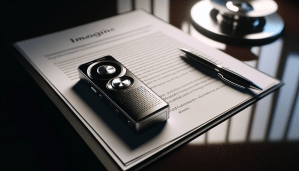
Audio recording devices are the most common type used in child custody cases because they can capture conversations and interactions clearly. These devices are small and discreet, making them easy to conceal during interactions. When choosing an audio recording device, opt for one with a long battery life and high-quality audio recording to ensure that you capture accurate evidence.
Video Recording Devices
Video recording devices can provide visual evidence of interactions between parents, guardians, and the child in a child custody case. These devices can capture gestures, body language, and facial expressions, providing a comprehensive view of the interactions. Choose a video recording device with a high-resolution camera and ample storage capacity to ensure that you capture clear and detailed footage.
GPS Tracking Devices
GPS tracking devices are another type of recording device used in child custody cases to monitor the movement of parents or guardians. These devices can track the location of individuals in real-time, providing valuable information about their whereabouts. While GPS tracking devices can be useful in certain situations, it’s essential to consider the legal implications of using them and whether they are necessary for your case.
How to Use a Recording Device Effectively
Once you have selected the right recording device for your child custody case, it’s essential to understand how to use it effectively to capture valuable evidence. Using a recording device requires strategic planning and careful consideration to ensure that you gather accurate and relevant information.
Establish a Recording Schedule
Before using a recording device, establish a recording schedule to capture interactions during specific times or events. Plan ahead and determine when and where you will use the device to ensure that you don’t miss any crucial interactions. By creating a recording schedule, you can maximize the effectiveness of the device and gather comprehensive evidence for your case.
Follow Legal and Ethical Guidelines
When using a recording device in a child custody case, it’s crucial to follow legal and ethical guidelines to ensure that the evidence you gather is admissible in court. Obtain consent from all parties involved before recording conversations or interactions and adhere to state laws regarding the use of recording devices. By following guidelines, you can gather evidence ethically and effectively for your case.
Reviewing and Organizing Recorded Evidence
After using a recording device in your child custody case, you will have a collection of recorded evidence that needs to be reviewed and organized for presentation in court. Reviewing the recorded evidence carefully and organizing it systematically can help you strengthen your case and demonstrate your claims effectively.
Listen to Audio Recordings Carefully
If you have audio recordings from the device, listen to them carefully to understand the context of conversations and interactions accurately. Pay attention to tone, language, and emotions expressed during the recordings to grasp the dynamics of the relationships between the parties involved. By listening carefully, you can identify relevant evidence to support your case.
Watch Video Recordings Thoroughly
For video recordings captured by the device, watch them thoroughly to observe body language, facial expressions, and gestures during interactions. Visual evidence can provide valuable insights into the emotions and behaviors of individuals involved in the child custody case. Take notes on significant moments or interactions to highlight them in court effectively.
Presenting Recorded Evidence in Court
When it comes to presenting recorded evidence in court, it’s essential to approach the process strategically to maximize its impact and relevance. Proper presentation of recorded evidence can help you strengthen your case and support your claims effectively during legal proceedings.
Work with Your Attorney
Collaborate closely with your attorney to prepare and present recorded evidence in court effectively. Your attorney can provide guidance on how to introduce the evidence, examine witnesses, and create a compelling narrative using the recordings. By working together, you can leverage the recorded evidence to strengthen your case and advocate for the best interests of the child.
Provide Context and Explanation
When presenting recorded evidence in court, provide context and explanation to help the judge or jury understand the significance of the recordings. Clarify the circumstances surrounding the interactions captured by the device and explain how they relate to the child custody case. By offering context, you can ensure that the recorded evidence is interpreted accurately and impartially.
Conclusion
In conclusion, using a recording device in child custody cases requires careful consideration of legal and ethical factors to gather accurate evidence effectively. By understanding the legal implications, ethical considerations, and types of recording devices available, you can make an informed decision about using a recording device in your case. Remember to use the device strategically, review and organize recorded evidence carefully, and present it thoughtfully in court to advocate for the best interests of the child.