? Are you sure your porch camera’s audio or that hidden microphone in a guest bathroom won’t land you in legal trouble?
Key takeaway (in plain terms): I’ll say this up front — recording audio in private areas like bathrooms is almost always illegal and very risky. Porch audio is a gray area that depends on federal law, your state’s consent rules, and how reasonable the person’s expectation of privacy is. If you want to protect yourself and your guests while using audio-enabled devices, the safest path is to check your state law, disable audio where privacy is expected, get consent for recordings when practical, use clear signage and disclosure, and configure devices to limit what they capture.
I’m a senior subject matter expert and educator on homeowner surveillance issues. I’ll explain the legal framework, give practical steps you can act on today, and share real-world scenarios and pro tips to avoid common traps. I won’t just define terms — I’ll tell you what to do.
How federal law shapes what we can record (quick, actionable summary)
Federal law prohibits intentional interception of “oral communications” when there’s a reasonable expectation of privacy. Practically, that means if a conversation is private and you’re not a consenting party to it, recording the audio could violate the federal Wiretap Act (18 U.S.C. §§ 2510–2522). The federal rule generally allows a recording when at least one party to the conversation consents (you can record your own conversations), but state rules can be stricter.
Actionable insight: If you’re considering enabling audio, check both the federal statute (18 U.S.C. § 2511) and your state’s wiretapping/eavesdropping statutes before you hit record.
Pro Tip: Start at the government’s primary sources. Look up 18 U.S.C. § 2511 for federal basics and then check your state attorney general or legislature website for local statutes. The National Conference of State Legislatures (NCSL) and the ACLU maintain useful summaries and links.
Common Pitfall to Avoid: Assuming federal “one-party” consent covers you everywhere. It doesn’t — many states require all-party consent or have other restrictions that make your safe harbor evaporate.
State law matters — how to check, what to watch for
State laws vary widely. Some states require only one party to consent to recording a conversation, while others require the consent of every party involved. Beyond consent rules, states define “oral communication,” “interception,” and “expectation of privacy” differently. Local ordinances and landlord-tenant rules may add additional limits.
Actionable insight: Do this right now:
- Look up “wiretap law” or “eavesdropping statute” on your state legislature’s site.
- Search your state attorney general’s website for consumer guidance on recording and surveillance.
- If you rent out property or host guests (e.g., through Airbnb), check platform policies — many platforms have explicit rules requiring disclosure and banning cameras in private spaces.
Pro Tip: Use the NCSL chart for a starting point, then open the exact statute language on your state legislature’s site to confirm current law (statutes change).
Common Pitfall to Avoid: Using a third-party blog’s summary as the final word. Summaries can be out of date or incorrect. Always verify with the statute text or an attorney.
Expectation of privacy: the legal pivot between legal and illegal recording
The legal outcome often turns on whether the recorded person had a “reasonable expectation of privacy.” Bathrooms and bedrooms are near-universal examples of spaces with high expectations of privacy. Front porches, garages, and sidewalks are more contextual — they may be considered public or semi-public depending on visibility and access.
Actionable insight: Ask yourself these questions for any recording location:
- Would a reasonable person expect privacy there?
- Can the area be observed from public spaces?
- Is the device focused on an area used for private activities (bathrooms, sleeping, dressing)?
If the answers point to privacy, don’t record audio.
Real-World Scenario: A homeowner puts a microphone-enabled camera on a back porch that opens to a neighbor’s fence line. The camera picks up private conversations between neighbors. Because the conversations happened in an area where the neighbor could reasonably expect privacy from eavesdropping by someone on adjacent property, the homeowner faces a potential civil suit.
Pro Tip: When in doubt, treat the area as private and disable audio or reposition the device.
Porches: practical rules and setup recommendations
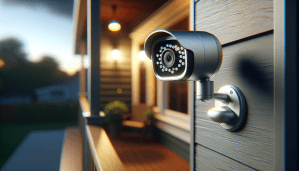
Porches are common locations for doorbell cameras and security cameras. They sit on the edge between public and private space. That ambiguity is why many legal issues arise here.
Actionable insight — how I recommend handling porch audio:
- Default to disabling audio if you’re unclear about the law in your state.
- If you want audio for security, obtain consent where feasible. For example, include a clear disclosure on the front door or fence saying “Audio and Video Recording in Use.”
- Position microphones to minimize pickup of neighboring yards or interior rooms.
- Configure devices to activate audio only when motion is detected and store shorter clips to limit retention exposure.
Pro Tip: Use directional microphones or microphone gain controls to limit how far the device listens. Some doorbell vendors allow you to lower microphone sensitivity.
Common Pitfall to Avoid: Relying on “notice” posted on a sign as a complete legal shield. Notice helps with consent but does not override a state’s statutory requirement of consent from every recorded party.
Real-World Scenario: I had a client who used a doorbell camera with audio that picked up a private argument between two people on the sidewalk. Even though the argument occurred on public property, the local prosecutor argued the conversation had a privacy expectation because it was not in a large crowd. The homeowner had to defend against a civil claim. The simple fix would have been to set the microphone to “off” by default.
Bathrooms: a near-total no-go for audio (and video)
Bathrooms—whether inside your home or in a guest suite—are universally recognized as private. Installing any camera or microphone that records audio in bathrooms is almost always illegal and can trigger both criminal charges and civil liability.
Actionable insight: Never install audio or video recording devices that capture activity inside bathrooms, changing areas, or other spaces where privacy is expected. If you discover any device capturing audio there:
- Leave the room, preserve the scene without touching the device.
- Take photos of the device from a safe distance.
- Contact law enforcement for guidance and request an officer’s response.
- Document your actions and keep a timeline.
Pro Tip: If you host guests (short-term rentals) explicitly state in your listing and internal house rules that no recording devices are inside bathrooms and include a contact for reporting suspected devices. Also, perform regular sweeps for unauthorized devices.
Common Pitfall to Avoid: Thinking “it’s my property, I can do whatever I want.” Privacy laws protect individuals even inside someone else’s home in spaces where privacy is reasonably expected.
Real-World Scenario: A homeowner placed a nanny cam with audio in a guest bathroom “for safety.” A guest discovered it and filed criminal charges and a civil suit. The homeowner faced fines, possible jail time under local voyeurism statutes, and had to pay damages and legal fees.
What “consent” means and how to get it right
Consent can be implied or explicit, but the legal weight depends on jurisdiction. Many jurisdictions require explicit, informed consent for audio recording. A sign might qualify as implied consent in some places but not all.
Actionable insight — practical consent steps:
- Use explicit disclosure whenever possible: a written notice at entrances and a written clause in rental agreements or bylaws.
- For recordings involving employees, tenants, or contractors, obtain written consent forms that explain what is recorded, how it’s stored, and who can access it.
- If you need to record a conversation as a participant, verbal consent on the recording is a strong practice — have the person state their consent on the recording to avoid disputes.
Pro Tip: Keep consent records. Store signed consent forms and logs showing that people were informed. This reduces risk if a dispute arises.
Common Pitfall to Avoid: Assuming consent because someone visited or entered your property. Consent must be real and informed; an obscure sign buried in a porch corner is weak evidence.
Devices and configurations — practical setup for compliance
Most doorbells, security cameras, and smart home devices include options to enable or disable audio, adjust sensitivity, and control retention. Manufacturers’ manuals and privacy settings are your best first step.
Actionable insight — configuration checklist:
- Read the device manual’s privacy section.
- Mute or disable microphones if you don’t need audio.
- Set retention limits (e.g., 30 days) and enable auto-deletion where possible.
- Use strong passwords and enable two-factor authentication to prevent unauthorized access.
- Place cameras to avoid capturing interior rooms or neighbors’ private spaces.
- Review cloud storage terms to see how long providers retain audio and who they share it with.
Pro Tip: Look for features labeled “privacy zones” or audio sensitivity controls. Use them. Many systems allow you to mask interior windows or rooms so the camera’s field of view excludes those areas.
Common Pitfall to Avoid: Leaving default manufacturer settings intact. Manufacturers often enable features that maximize functionality, not privacy. You’re responsible for configuring the device lawfully.
External Reference Point: Check the device manufacturer’s manual and the FCC’s consumer guidance on smart device privacy for device-specific steps.
Landlord, tenant, and shared-living situations — special rules
If you rent property or have roommates, additional rules apply. Landlords generally cannot surveil tenants in private areas (bedrooms, bathrooms). Common areas may be recorded if properly disclosed and if state/local law allows, but the recording must not infringe on privacy expectations.
Actionable insight:
- As a landlord, disclose any surveillance in writing in the lease and show camera locations.
- Never install audio-enabled devices in tenant bedrooms or bathrooms.
- Notify tenants in advance before activating a new surveillance system.
- For shared homes, meet with roommates to agree on surveillance rules and get signed consent.
Pro Tip: Use a written addendum to leases that clearly states camera locations, the type of data collected (audio/video), retention periods, and how to request footage.
Common Pitfall to Avoid: Installing hidden cameras to “monitor” roommate behavior. Hidden monitoring can lead to criminal charges and eviction liability.
Real-World Scenario: A landlord installed a camera in a shared laundry room with audio but didn’t disclose it. Tenants sued for invasion of privacy. The landlord had to remove the device and pay damages.
Evidence, law enforcement, and subpoenas — what happens if a dispute arises
Recording can become evidence in criminal or civil matters. The admissibility of audio depends on whether the recording was lawful at the time it was made. Even if the police request footage, you should understand your rights and how to comply.
Actionable insight:
- If police ask for footage, request a subpoena or warrant for anything more than voluntary handover.
- If you voluntarily share footage, document the request and what you provided.
- Preserve original files and maintain a chain-of-custody log if the footage is for a legal case.
- Consult an attorney before turning over recordings if you suspect legal risk.
Pro Tip: If you think a recording may be evidence of a crime, move quickly to preserve it in its original form (don’t edit) and back it up securely with timestamps. Then consult counsel.
Common Pitfall to Avoid: Assuming any recording is admissible because it exists. Unlawfully obtained recordings may be excluded and could expose you to counterclaims.
Civil and criminal consequences — the stakes
Penalties range from statutory damages in civil suits to criminal fines and incarceration under eavesdropping and voyeurism statutes. Civil suits can demand injunctive relief, statutory damages, and attorney fees.
Actionable insight:
- Treat the risk as real. If a recording is at all questionable, disable it and seek legal advice.
- If you’re sued, preserve evidence of your policies and disclosures to show you took steps to comply.
- Consider insurance — some homeowners policies or umbrella policies may cover legal defense for certain liability claims; verify with your insurer.
Pro Tip: Create a written privacy policy for your household that explains what is recorded, where, how long recordings are kept, and who has access. That policy helps both compliance and defense if challenged.
Common Pitfall to Avoid: Believing “I didn’t mean harm” is always a defense. Intent matters less than the legal violation and harm suffered.
Best practices checklist for homeowners (actionable, ready-to-use)
Use this checklist as a minimum baseline to reduce legal risk while keeping your property secure.
- Check legal obligations: Look up federal statute 18 U.S.C. § 2511 and your state’s wiretapping/eavesdropping laws.
- Disable audio in private spaces: Bathrooms, bedrooms, private changing areas — no audio, no exceptions.
- Limit porch audio: Turn it off if you’re unsure. Use visible signage and notices.
- Obtain clear consent: Written for tenants/contractors, posted for visitors.
- Configure devices correctly: Mute microphones when not needed, use privacy zones, and lower mic sensitivity.
- Document disclosures: Keep copies of signs, lease addenda, and consent forms.
- Secure storage & access: Use strong passwords, two-factor authentication, encryption, and restricted access.
- Retention policy: Keep recordings only as long as necessary; proactively delete old files.
- Legal preparedness: Know how to preserve footage for legal use and who to call for legal advice.
- Emergency protocol: If you find a hidden device, leave the area, document, and contact law enforcement.
Pro Tip: Put the above checklist into a one-page household privacy policy everyone signs. That small paperwork step reduces risk significantly.
Sample wording for disclosures and signs (practical, concise)
When you need simple, clear disclosure language for a front porch or rental listing, use plain language that informs visitors.
Actionable insight — sample sign text:
- “This property uses video and audio surveillance at entries. By entering, you consent to recording.”
- For rentals: Add to lease — “Owner uses visible exterior cameras with audio disabled inside private rooms. By signing this agreement tenant acknowledges disclosure.”
Pro Tip: If your state requires all-party consent for audio, do not rely on signage alone — obtain written consent forms or disable audio entirely.
Common Pitfall to Avoid: Using legalese hoping it protects you. Plain, clear language is more effective if the issue goes to court.
What to do if you find a recording device in a private space
Finding an unknown recording device in a bathroom or bedroom is serious. Stay calm and follow steps to preserve evidence and protect yourself.
Actionable step-by-step:
- Leave the area and avoid touching the device.
- Take photos from a safe distance showing placement and any identifying features.
- Note the time and any witnesses.
- Contact local law enforcement to report suspected illegal surveillance.
- Preserve any messages or evidence suggesting how long the device has been active (e.g., rental guest logs, device lights).
- Contact an attorney before handling or transferring the device.
Pro Tip: If you have reason to believe a device posed an immediate threat (e.g., live streaming), get law enforcement involved immediately and ask for a forensic seizure.
Common Pitfall to Avoid: Removing the device and keeping it as a souvenir. That can destroy evidence and complicate legal proceedings.
Technical controls: how to minimize legal risk via device settings
Take control of your devices to limit audio exposure. Here are technical actions that yield immediate protection.
Actionable insight:
- Disable audio recording on doorbells and cameras if you don’t need it.
- Use microphone mute switches when available.
- Reduce microphone gain and enable noise gates to prevent distant conversations from being recorded.
- Set device firmware to automatic updates to patch security vulnerabilities.
- Limit third-party integrations that might create unexpected audio capture (e.g., linking to other apps that record audio).
Pro Tip: Create a device inventory that lists each camera, whether it records audio, its location, and retention settings. Review it quarterly.
Common Pitfall to Avoid: Letting installers or service techs enable default settings without reviewing them. Always configure devices yourself or have a trusted expert do it.
Insurance, policies, and legal help — when to call an attorney
Surveillance issues can trigger complex civil and criminal exposures. Insurance coverage is not automatic for unlawful acts.
Actionable insight:
- Notify your homeowner policy and ask whether privacy liability or defense costs are covered.
- If you suspect you have recorded illegally or someone claims you have, contact an attorney immediately.
- For lawsuits or criminal investigations, preserve evidence and avoid public statements on social media.
Pro Tip: Keep a list of a local privacy or criminal-defense attorney and an expert in digital forensics before you need them. Time is critical if evidence needs preservation.
Common Pitfall to Avoid: Trying to resolve a surveillance dispute informally without legal counsel, especially if the other party threatens litigation.

Quick review of dos and don’ts (actionable summary)
Dos:
- Do disable audio in bathrooms and bedrooms.
- Do post clear notices for guests and visitors if you use porch audio.
- Do obtain explicit written consent from tenants, employees, or contractors.
- Do secure recorded files and define retention policies.
- Do consult legal counsel if you’re unsure.
Don’ts:
- Don’t install hidden audio recorders in private spaces.
- Don’t assume signage alone solves all consent issues.
- Don’t leave default device settings that capture more than necessary.
- Don’t hand over or alter files without documenting the request and seeking counsel where appropriate.
Real-World Scenario: I once advised a small-business owner who used a porch camera with audio to record package thefts. By changing the microphone sensitivity and posting a notice by the door, the owner reduced the capture of neighbor conversations while retaining security footage of deliveries — a low-cost fix that stayed within the law.
Conclusion: practical next steps I recommend
I’ll give you a short action list you can complete in the next 24–72 hours:
- Check your state’s wiretapping and eavesdropping statute (look on your state legislature’s or attorney general’s website).
- Audit all devices that record video/audio. Create an inventory noting location and whether audio is enabled.
- Disable audio where privacy is expected. For porches, lower sensitivity or disable until you confirm legal safety.
- Add clear signage to entrances and post disclosure language in rental listings or leases.
- Draft a one-page household surveillance policy and keep consent logs.
- Secure recordings with strong passwords and retention limits.
- If you suspect illegal recording or are unsure, call a local attorney.
Pro Tip: If you want, I can draft a short disclosure sign, a lease addendum sample, or a device inventory template for you to use. Tell me which one you’d like first.
Final note: Laws change and facts matter. This article gives high-utility, actionable steps, but it’s not legal advice. If a specific incident or complex situation arises, consult an attorney in your state who specializes in privacy or criminal law.