Have you ever wondered how technology has transformed photography over the years? In a world where capturing moments is just a click away, radio cameras are carving out a significant niche within modern photography. In this article, we’ll take a closer look at what radio cameras are, their history, their features, and the profound impact they’ve had on the photography landscape today.

What are Radio Cameras?
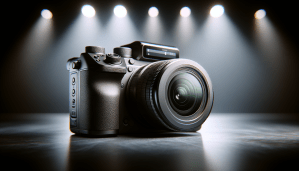
Radio cameras are devices that utilize radio frequency technology to capture images remotely. These cameras allow photographers to take pictures without being physically present at the camera, typically using a remote control or smartphone application. This capability opens up a world of possibilities for capturing unique perspectives and candid moments.
Brief Overview of Radio Frequency Technology
Radio frequency (RF) technology has become an essential part of modern communication. By transmitting data via radio waves, RF technology enables devices to communicate wirelessly. In photography, this means that shutters can be activated from a distance, which is particularly useful in various genres such as wildlife, sports, and landscape photography.
The Origins of Radio Cameras
A Look Back in Time
The concept of remote photography dates back to the early 20th century. Although the initial forms of remote cameras were more basic and limited compared to today’s standards, they laid the groundwork for the advanced technology we enjoy now. The first real advancements in radio cameras became mainstream in the late 20th century when companies began integrating wireless capabilities into traditional camera designs, making it easier for photographers to experiment with their craft.
Early Versions and Their Limitations
In the early days, radio cameras were bulky, had limited ranges, and struggled with signal interference. Photographers had to carefully consider their environment and shooting conditions, which sometimes hampered creativity. These limitations showcased the need for technological advancements to harness the true potential of remote photography.
The Rise of Modern Radio Cameras
Technological Advancements
Fast forward to today, and radio cameras are remarkably sophisticated. Manufacturers have made significant strides in enhancing the functionality and usability of these devices. Today’s radio cameras are lightweight, compact, and equipped with advanced sensors and high-resolution capabilities, leveling the playing field for amateur and professional photographers alike.
Features of Modern Radio Cameras
| Features | Description |
|---|---|
| Wireless Connectivity | Most modern radio cameras connect via Wi-Fi or Bluetooth, enabling remote access and control from smartphones and tablets. |
| High-Resolution Imaging | These cameras can capture sharp, high-resolution images and videos, making them suitable for various applications, from personal to professional use. |
| Real-time Monitoring | With features like live view, photographers can check framing and composition directly from their devices, mitigating guesswork. |
| Extended Range | Modern radio cameras can operate effectively over longer distances, allowing you to capture images from afar without losing connection quality. |
| User-Friendly Interfaces | Simple interfaces make it easy for anyone to use radio cameras, regardless of their technical background, which helps democratize photography. |
The Impact of Radio Cameras on Different Photography Genres
Wildlife Photography
Radio cameras have transformed wildlife photography dramatically. They allow photographers to capture images of animals in their natural habitats without disturbing them. With the ability to set up cameras remotely, wildlife photographers can document rare behaviors, migrations, and interactions with minimal human interference.
Sports Photography
The fast-paced world of sports demands quick reflexes and even faster clicks. Radio cameras have become essential for sports photographers wishing to capture pivotal moments from unique angles. By placing these cameras along the sidelines or in high-up locations, photographers can freeze the action without being in harm’s way.
Portrait Photography
In portrait photography, capturing natural expressions requires a delicate balance of timing and positioning. Radio cameras offer the advantage of allowing photographers to step away from the camera, interact with their subjects, and create candid shots that feel more genuine. This technology fosters a relaxed environment, encouraging subjects to be themselves, resulting in more authentic images.
Landscape Photography
Landscape photographers often seek to capture scenes that are challenging to reach or require unique angles. With radio cameras, you can experiment with placements in remote areas without needing to lug heavy equipment through difficult terrain. This flexibility allows for more creative compositions and innovative shots.
Benefits of Using Radio Cameras
Convenience and Flexibility
The primary advantage of radio cameras lies in their convenience and flexibility. You can control shutter release, adjust settings, and monitor images from a distance. Photographers no longer have to contend with physical barriers; they can simply set up their gear and focus on the creative aspect of shooting.
New Creative Opportunities
By removing the need to be physically present at the camera, radio cameras open up a world of creative possibilities. You can experiment with angles, lighting, and compositions that would otherwise be impractical. This encourages artistic exploration and innovation, allowing photographers to push their creative boundaries.
Increased Safety
In situations where capturing images might be dangerous—like at extreme heights or in unpredictable environments—radio cameras allow you to keep a safe distance while still getting the shot you want. This not only protects your equipment but also your personal safety.
Challenges and Considerations
Technological Issues
While radio cameras come with numerous benefits, they are not without challenges. Signal interference, battery life, and connection stability can become issues, especially in environments with a lot of electronic devices. As a photographer, you must always be aware of these potential challenges and be prepared to troubleshoot.
Initial Learning Curve
For those who are not familiar with radio technology, there may be a learning curve associated with using radio cameras. Understanding the settings, features, and how to utilize them effectively can take time. However, as you gain experience, this technology will become a valuable tool in your photography toolbox.
Cost Factors
Radio cameras can sometimes be more expensive than traditional setups. Although prices have decreased over the years, investing in quality gear is essential for achieving the best results. Finding a balance between cost and functionality is key when choosing the right equipment for your needs.
Future Trends in Radio Camera Technology
AI Integration
As artificial intelligence (AI) continues to transform various industries, its integration into radio cameras may soon become commonplace. AI technologies may assist in autofocus capabilities, real-time scene recognition, and smart tracking, allowing photographers to capture even more dynamic shots with ease.
Enhanced Connectivity
The future of radio cameras may also involve enhanced connectivity options that integrate with other smart devices. Imagine a world where your camera could share and edit photos directly to social media platforms in real-time, or even collaborate with other photographers during a shoot.
Miniaturization
As technology advances, miniaturization will likely lead to even smaller, lighter, and more portable radio cameras. These improvements would allow for greater flexibility in shooting environments, enabling photographers to explore new creative avenues with ease.
Conclusion
The evolution of radio cameras has undeniably made a significant impact on modern photography. By providing convenience, flexibility, and new creative opportunities, these cameras have altered the way you capture, curate, and communicate your vision. While challenges remain, the advancements in technology will help inspire more innovative and breathtaking photography in the years to come.
Incorporating radio cameras into your photographic arsenal is not just about keeping up with trends; it’s about harnessing the full potential of your creativity. Whether you’re a seasoned professional or an enthusiastic amateur, embracing these technological advancements will elevate your photography and enable you to capture the world in exciting new ways. So, as you continue your photographic journey, consider how radio cameras might enhance your work and inspire your next masterpiece.