Have you ever found yourself overwhelmed by the number of options when shopping for an SD card camera? Choosing the right one can feel like finding a needle in a haystack, especially with so many specifications and features to consider.

Understanding SD Card Cameras
Before you can select the perfect SD card camera for your needs, it’s important to understand what these cameras are all about. SD card cameras are not just limited to those using SD cards as storage; they encompass various models that offer enhanced capabilities for photography and videography.
What Makes an SD Card Camera Unique?
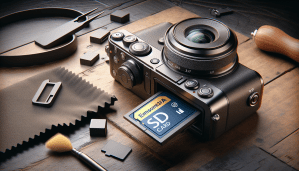
SD card cameras are designed to store high-quality images and videos directly onto an SD card. This provides flexibility, allowing you to easily transfer your media to other devices or directly upload them to the internet. Understanding the specifics of how they work can help you appreciate the variety available and make a more informed choice.
Key Features to Consider
When you’re looking for an SD card camera, here are some important features you need to keep in mind.
Image Quality
The image quality is often a top priority for anyone purchasing a camera. Look for specifications such as resolution (measured in megapixels) and sensor size.
| Feature | Explanation |
|---|---|
| Megapixels | A higher number indicates better image clarity. |
| Sensor Size | Larger sensors capture more light, improving quality. |
Video Capabilities
In today’s world of social media and video sharing, you might also want a camera with solid video capabilities. Look for resolutions like 1080p or even 4K if you’re serious about video quality.
Lens Options
The type of lens can significantly impact your photography. Consider whether you want a fixed lens, which often provides better quality, or an interchangeable one that offers versatility.
Connectivity
In an age where sharing is effortless, connectivity features such as Wi-Fi or Bluetooth can make your life easier. These features allow you to transfer images directly from your camera to your smartphone or computer without the need for cables.
Battery Life
You wouldn’t want to miss capturing your child’s first steps because your camera battery died. A good camera should have a substantial battery life, ensuring you can shoot for long periods without interruptions.
| Battery Type | Pros | Cons |
|---|---|---|
| Lithium-Ion | Rechargeable and long-lasting | May require specific charger |
| AA Batteries | Easily replaceable | Might run out quickly |
Design and Build Quality
The design and build of the camera are also vital. Consider whether you prefer a compact point-and-shoot design or a more robust DSLR. If you’re planning to take your camera on outdoor adventures, durability might be a significant factor.
Types of SD Card Cameras
There are several types of SD card cameras available, each catering to different needs. Understanding these types helps you narrow down what works best for you.
Point-and-Shoot Cameras
These cameras are usually compact and user-friendly. They work well for casual photographers who want to capture moments without getting into the technical aspects.
Pros and Cons
| Pros | Cons |
|---|---|
| Lightweight and portable | Limited manual controls |
| Typically less expensive | May not have advanced features |
DSLR Cameras
Digital Single-Lens Reflex (DSLR) cameras are favored by professional photographers and enthusiasts for their superior image quality and customizable settings.
Pros and Cons
| Pros | Cons |
|---|---|
| High-quality images | Can be bulky and heavy |
| Interchangeable lenses | Typically more expensive |
Mirrorless Cameras
These offer a middle ground between DSLR and point-and-shoot cameras. They are generally compact while still delivering excellent image quality and interchangeable lenses.
Pros and Cons
| Pros | Cons |
|---|---|
| Compact size | Battery life can be shorter |
| Excellent video features | Limited lens options compared to DSLR |
Action Cameras
If you love adventure sports or underwater photography, action cameras are built to withstand challenging conditions and capture high-quality video and images.
Pros and Cons
| Pros | Cons |
|---|---|
| Extremely durable | Limited zoom capabilities |
| Great for video recording | May not excel in low-light |
Budget Considerations
How much are you willing to spend? Setting a budget helps you narrow down your options and makes it easier to choose a camera that gives you the best bang for your buck.
Entry-Level Cameras
If you’re just getting into photography, entry-level cameras can suit your needs without breaking the bank. It will help you learn without the intimidation of complex settings.
Mid-Range Options
Mid-range cameras generally offer better quality and more features without a professional price tag. They often strike a balance between quality and affordability.
Professional Cameras
If you’re serious about photography and have a budget that allows for it, professional cameras will usually provide you with the best image quality and various advanced features.
Accessory Essentials
While choosing a camera is crucial, don’t overlook the importance of essential accessories that can enhance your shooting experience.
Tripods
To achieve steady shots, especially in low light, investing in a quality tripod can make a huge difference.
Extra Batteries
Always having an extra battery handy can ensure you capture those important moments without interruptions.
SD Cards
Choosing the right memory card is equally important. Look for ones with fast write speeds, especially if you plan on capturing bursts of images or recording high-definition video.
Camera Bag
A sturdy camera bag protects your gear, making it easy to carry everything you need for your photography adventures.
Reading Reviews
Don’t underestimate the power of consumer reviews. Research can save you a lot of time and effort, and help you avoid potential pitfalls.
Where to Find Reviews
Many reputable websites and forums offer in-depth reviews. You can also check retailer websites for customer feedback, providing insights that specifications alone might not cover.
What to Look For
When reading reviews, pay attention to detailed experiences rather than just star ratings. Look for comments on performance, any common issues faced, and the overall satisfaction of other users.
Final Thoughts
Choosing the best SD card camera for your needs may feel like a daunting task, but by understanding the key features, types, and considerations, you’ll significantly smooth out the process. Remember to think about what matters most to you: image quality, budget, or connectivity.
Ultimately, the perfect camera is one that fits your lifestyle and meets your unique needs. So whether you’re capturing family gatherings, embarking on adventures, or pursuing a professional career in photography, take your time, do your research, and soon you’ll have a camera that you’ll love working with.