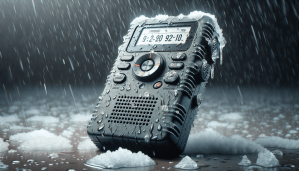
Are we getting the most runtime from our personal tracker, or are we charging it more often than necessary?
Key takeaway: We can dramatically extend a tracker’s battery life by matching device settings, placement, and update frequency to real-world needs—often gaining days or weeks of extra uptime without sacrificing meaningful security.

How to Maximize Your Tracker’s Battery Life — Pro Tips for Personal Security
We’ll give practical, high-utility guidance so you can make small changes with big results. We assume you care about personal security and reliability. That means balancing battery life with timely location updates. We’ll walk through hardware, software, behavior, and diagnostics with actionable steps you can apply today.
Why battery life matters for personal security
Battery life is the limiting factor in how long a tracker can protect someone or an asset. If a tracker dies at a critical moment, it’s useless. So battery optimization isn’t a convenience. It’s a security requirement.
Actionable insight: Prioritize the tracker’s role first. Is it for daily peace-of-mind (long standby), real-time monitoring (shorter intervals), or safety during travel (burst updates)? Set mode based on that role.
Pro Tip: Create two profiles—“Everyday” and “High-Security.” Switch modes depending on context. Many manufacturers allow profiles or quick mode switches.
Common Pitfall to Avoid: Treating trackers as “set and forget.” Default settings are often optimized for responsiveness, not battery life.
External reference: Check the manufacturer’s user manual for mode descriptions and the FCC ID for radio duty-cycle limitations that affect power use.
Understand your tracker and its battery chemistry
Knowing the tracker’s battery type—disposable primary cell (e.g., CR123, CR2032), rechargeable Li-ion, or LiPo—changes how we care for it.
Actionable insight: Identify the battery chemistry and capacity (mAh). This is often printed on the battery or in the device spec sheet. Search the device model online if needed.
- Disposable batteries: Good shelf life, predictable discharge curve, less tolerant of high-current draws.
- Rechargeable Li-ion/LiPo: Better for frequent charging, sensitive to deep discharge and heat.
- Coin cells: Great for low-power sensors but fail quickly with continuous GPS or cellular use.
Table: Typical tracker battery types and use cases
| Battery Type | Typical Capacity | Best for | Care notes |
|---|---|---|---|
| CR2032 (coin) | 200–240 mAh | Low-power BLE beacons | Replace before deep discharge; avoid high current draws |
| CR123/CR2 (primary) | 1000–1500 mAh | Single-purpose GPS/satellite in small devices | Stable over temperature; replace when voltage drops |
| Rechargeable Li-ion/LiPo | 400–5000+ mAh | Smartphones, multi-sensor trackers | Avoid deep discharge; charge regularly; protect from heat |
| AA/AAA (alkaline or NiMH) | 800–2500 mAh | Larger trackers or backup power | Rechargeable NiMH better for cycles; alkalines for storage |
Pro Tip: If specs don’t list mAh, check the battery model online. The mAh rating lets us estimate runtime given device current draw.
Common Pitfall to Avoid: Assuming rechargeable batteries should be topped up only when “empty.” Shallow, frequent charges extend Li-ion life.
External reference: Manufacturer datasheets and battery maker specs (Panasonic, Sony) give discharge curves and recommended charge protocols.
Adjust reporting intervals and motion sensitivity
The single biggest lever we have is how often the tracker reports location and how it senses movement. Fewer reports = far less power used.
Actionable insight: Change the polling interval and enable motion-based reporting. For example, use 1–4 hour updates for general monitoring and switch to 30–60 second updates when an incident is suspected.
Steps:
- In the app: look for “reporting interval,” “tracking frequency,” or “update rate.”
- Turn on “motion-only reporting” so the tracker sleeps until it moves.
- Use geofencing triggers rather than continuous updates when possible.
Real-World Scenario: For a parent tracking a teen who’s usually at school, we set hourly updates and motion-based immediate alerts. When the teen is traveling, we switch to 1-minute intervals for a few hours.
Pro Tip: If the app supports “on-demand” location requests, rely on those for occasional checks instead of continuous polling.
Common Pitfall to Avoid: Setting short intervals for convenience and letting the device run out during a trip. We recommend temporary short-interval modes with a scheduled revert to conserve battery.
External reference: If you’re unsure, consult the tracker’s manual for recommended intervals and the device’s battery life estimates at different rates.
Use motion sensors and intelligent sleep modes effectively
Most modern trackers contain accelerometers and motion sensors that allow them to stay in deep sleep until movement is detected.
Actionable insight: Enable or calibrate motion thresholds so the device only wakes for meaningful motion. Lower sensitivity causes false wakes; higher sensitivity can miss slow movement.
Action steps:
- Access the sensitivity setting.
- Test in the real environment: walk with the device in the intended mount and check wake frequency.
- Adjust thresholds to ignore minor vibrations (e.g., in a car trunk) while still waking for true motion.
Pro Tip: Set a “wake confirmation” pattern—two consecutive motion events within a short window—to avoid a single vibration wake. Some firmware supports this.
Common Pitfall to Avoid: Using overly sensitive settings in vehicles or near machinery. This generates many wake cycles and drains batteries quickly.
External reference: The tracker’s firmware release notes and accelerometer datasheet (e.g., STMicroelectronics, Bosch) explain sensitivity settings and power draw during wake events.
Optimize cellular, GNSS, and Bluetooth usage
Radios are the largest power consumers. GPS/GNSS fixes, cellular transmissions, and Bluetooth scans all cost energy. We should minimize radio duty cycles without losing required coverage.
Actionable insight: Reduce the number of GNSS fixes and batch cellular transmissions.
Tactics:
- Use Assisted-GPS or Smart-Fix modes if supported (A-GNSS), which use network data to shorten fix time.
- Increase the time between GNSS attempts when stationary.
- Batch transmissions: collect multiple fixes then send them together when a connection is available.
- Prefer Wi‑Fi or Bluetooth-based location when high accuracy isn’t required.
Table: Relative radio energy cost (approximate, depends on hardware)
| Operation | Relative Power Cost |
|---|---|
| Continuous GNSS (per fix) | High |
| Cellular transmit (short burst) | High |
| Bluetooth LE scan (periodic) | Low–Medium |
| Wi‑Fi scan | Medium |
Pro Tip: Use “fix caching.” If the tracker reports on motion, a single GPS fix can be used for multiple updates until the device significantly changes position.
Common Pitfall to Avoid: Using “always-on GNSS” mode stored in default settings. Only use continuous GNSS for short, critical windows.
External reference: Consult GNSS chipset datasheets (Qualcomm, u-blox) for time-to-first-fix and power numbers. FCC filings sometimes list RF transmit power and duty cycle.
Placement and physical mounting matter
How and where we put a tracker affects both signal performance and battery usage. A poor location forces radios to increase power or causes repeated retries.
Actionable insight: Position the tracker with a clear sky and cellular line-of-sight for GNSS and minimal signal obstruction for cellular and Bluetooth.
Action steps:
- Avoid metal enclosures and thick cases that block antennas.
- Mount on exterior or near windows when tracking people in buildings.
- For vehicles, pick spots with less metal interference (near a rear window or under seat cushion but not shielded by chassis parts).
- Use adhesives or pouches designed for the tracker’s antenna orientation.
Real-World Scenario: We hid a tracker under a vehicle bumper expecting coverage, but metal shielding caused poor cellular transmission and constant retries. Moving it to inside the trunk near the rear window cut transmissions in half.
Pro Tip: If the tracker uses external antenna connectors, route an external antenna to improve signal with minimal power impact.
Common Pitfall to Avoid: Concealing a tracker inside dense materials or behind metal and then wondering why battery drains quickly due to repeated retransmissions.
External reference: Antenna placement guides from the tracker vendor or antenna manufacturers (e.g., Murata) explain how enclosure materials affect performance.
Manage firmware, app updates, and background services
Firmware that fixes bugs or optimizes power can deliver immediate battery benefits. But poorly timed updates or buggy app versions can induce wake loops.
Actionable insight: Keep firmware current and manage background app permissions to prevent unnecessary wake-ups.
Action steps:
- Enable automatic firmware updates if they’re reliable, or schedule updates when convenient.
- Review mobile app permissions: background refresh, location services, and notification settings.
- Turn off push notifications for non-critical events.
- Restart the tracker or the app after major updates to clear cached issues.
Pro Tip: Read firmware changelogs for “battery life” or “power optimization” entries—these updates can give measurable gains.
Common Pitfall to Avoid: Leaving outdated firmware that continuously retries cloud connections due to protocol mismatches.
External reference: Vendor support pages and release notes; check community forums for reports on update-related battery improvements or regressions.
Charging habits and maintenance for rechargeable trackers
If our device uses a rechargeable battery, proper charging behavior extends both daily runtime and long-term health.
Actionable insight: Avoid deep discharges and extreme temperatures. Use partial charges rather than full cycles when convenient.
Action steps:
- Keep Li-ion between 20–80% for regular use to extend cycle life.
- Avoid charging overnight on older devices that lack smart charge cutoff.
- Use the manufacturer’s charger or a reputable charger with correct voltage/current.
- Store backup trackers at ~40–60% charge in a cool place.
Pro Tip: If travelling, top charge to 80–90% for the day instead of a full 100% to balance range and battery health.
Common Pitfall to Avoid: Leaving trackers fully discharged for long periods—this can cause protection circuits to latch and batteries to degrade.
External reference: Battery university and manufacturer battery care pages explain optimal charge windows and cycle behavior.
Replace batteries smartly for disposable-cell trackers
When trackers use disposable cells, replacement strategy affects both reliability and lifecycle cost.
Actionable insight: Use high-quality OEM batteries and replace proactively based on usage patterns rather than waiting for complete failure.
Action steps:
- Record installation date and expected runtime given your report interval.
- Carry a replacement battery for trips or extended security needs.
- Rotate batteries from storage into devices so stored batteries get used before expiry.
Pro Tip: For devices that report battery percentage, create a buffer threshold—replace the battery at 20% remaining rather than letting it run to 0%.
Common Pitfall to Avoid: Using cheap generic batteries that fail prematurely or have higher internal resistance, causing poor performance under load.
External reference: Check manufacturer recommendations for battery brands and replace intervals. Consumer Reports and independent battery test data can show quality differences.
Environmental effects: temperature, humidity, and altitude
Temperature swings and humidity affect battery capacity and electronics. Cold reduces effective capacity; heat accelerates aging.
Actionable insight: Protect trackers from extreme temperatures and plan for reduced runtime in cold environments.
Action steps:
- In winter, keep the device closer to the body or insulated to preserve capacity.
- In summer, avoid leaving devices in direct sun or inside hot vehicles for long periods.
- For storage, use cool, dry spaces and maintain a partial charge.
Real-World Scenario: We field-tested trackers in winter and observed near 40% capacity drop at -10°C during continuous GNSS usage. Insulating the tracker against body heat regained usable runtime.
Pro Tip: If the tracker has temperature-compensated reporting, enable it to reduce reporting frequency when low temps are detected.
Common Pitfall to Avoid: Expecting the same battery life in all seasons. Plan for worst-case environmental conditions any time security depends on uptime.
External reference: Battery maker technical notes on temperature effects (e.g., Panasonic, LG) and NIST publications on battery performance.
Diagnose unexpected battery drain methodically
When battery life suddenly drops, a systematic approach helps find the cause.
Actionable insight: Isolate variables—firmware, placement, app, or external interference—using controlled tests.
Diagnostic checklist:
- Check firmware version and recent updates.
- Inspect logs for wake events, reconnect attempts, and error bursts.
- Test in a controlled environment: place the tracker stationary with good signal and monitor battery over 24–72 hours.
- Try a factory reset and reconfigure settings one-by-one.
- Swap batteries to test whether the cell is the cause.
Pro Tip: Many trackers log event counts (GNSS fixes, wake-ups, transmissions). Export logs and look for sudden spikes tied to timestamps.
Common Pitfall to Avoid: Replacing hardware immediately without checking settings or logs. Often a configuration or environmental change is the real cause.
External reference: Manufacturer troubleshooting guides and community forums where similar drain issues are discussed.
Security tradeoffs: privacy vs battery life
Reducing reporting frequency improves battery life but can reduce situational awareness. We must choose settings that align with privacy needs and safety requirements.
Actionable insight: Use adaptive modes—low-frequency baseline with high-frequency triggers for safety events like geofence breach or SOS.
Action steps:
- Configure geofences for important zones and set immediate alerts for breaches.
- Use motion-triggered short-interval bursts rather than continuous high-frequency tracking.
- Ensure SOS or “panic” buttons override low-power modes to provide an immediate high-frequency stream when needed.
Pro Tip: If multiple people need monitoring (family group), stagger reporting windows or use aggregated alerts to avoid duplicated high-frequency consumption.
Common Pitfall to Avoid: Turning on location sharing 24/7 across platforms for convenience, draining both your device and others’ batteries.
External reference: GDPR/CCPA considerations for location data and manufacturer privacy policies.
Long-term lifecycle and replacement planning
Batteries age. Even with perfect care, capacity declines. Planning for replacement keeps trackers reliable.
Actionable insight: Track battery health and create a replacement schedule. For rechargeable Li-ion, expect 300–500 full cycles before noticeable degradation; for primary cells, expect reduction after storage expiration.
Action steps:
- Log battery capacity or full charges over months to spot degradation.
- Replace primary cells annually or according to runtime trends.
- Consider upgrading to devices with larger batteries or better low-power design if current devices no longer meet requirements.
Pro Tip: For mission-critical tracking, rotate devices—one active, one charging or standby. This helps ensure a charged spare and evens out cycle wear.
Common Pitfall to Avoid: Letting trackers age silently in a fleet. A single failed tracker can create a security blind spot.
External reference: Manufacturer’s expected cycle life and reliability reports. For fleet trackers, see industry standards like telematics vendor white papers.
Quick checklist: configuration to apply now
We’ll give rapid, actionable items to implement immediately.
Checklist (apply in order):
- Identify battery type and capacity (mAh). Check manual.
- Set baseline reporting interval to the least frequent that still meets security needs.
- Turn on motion-only reporting and adjust sensitivity via tests.
- Use geofences and event-based triggers instead of continuous updates.
- Enable A-GNSS or assisted fixes if available.
- Update firmware and manage app background permissions.
- Optimize placement—avoid metal and ensure antenna exposure.
- For rechargeable devices, adopt shallow-charge habits and avoid extreme temps.
- For replaceable batteries, stock OEM replacements and replace at 20% threshold.
- Monitor logs and runtime for deviations and act on spikes.
Pro Tip: Put the checklist on your phone as a saved note. Run it whenever a tracker is deployed or after major firmware updates.
Common Pitfall to Avoid: Skipping routine checks. A short monthly review saves long-term headaches.
Troubleshooting scenarios and fixes
We’ll cover common symptoms, likely causes, and quick fixes.
Symptom: Battery dies rapidly after a firmware update.
- Likely cause: New background process or bug.
- Fix: Roll back or re-flash, update app, check release notes, contact vendor.
Symptom: Tracker reports but with long delays and battery drain.
- Likely cause: Weak signal causing retries.
- Fix: Move tracker to better location, use external antenna, or increase report interval.
Symptom: Device wakes frequently at night.
- Likely cause: Vibration or overly sensitive motion threshold.
- Fix: Adjust sensitivity, mount differently, enable filtering for transient events.
Pro Tip: Keep a “last known good” configuration saved. It’s faster to revert than to diagnose under stress.
Common Pitfall to Avoid: Replacing a functioning device without confirming settings or environmental causes.
External reference: Vendor support portals and community troubleshooting threads often have step-by-step fixes for model-specific bugs.
When to upgrade hardware or change providers
Sometimes optimizations can only go so far. Newer devices offer better low-power chips, hybrid positioning engines, and smarter firmware.
Actionable insight: Evaluate upgrade when the cost of frequent battery replacement or downtime exceeds device cost.
Considerations:
- Power profile: newer GNSS modules and cellular chips are often far more efficient.
- Feature set: geofencing, watchdog timers, and motion engines improve battery life.
- Integration: cloud features that support batching, adaptive reporting, and OTA updates.
Real-World Scenario: We replaced a 5-year-old tracker fleet with modern devices and reduced fleet charging costs by 60% while improving uptime.
Pro Tip: Test new devices in your exact use case before full migration. Lab specs don’t always reflect real-world placement and environment.
Common Pitfall to Avoid: Buying new devices based solely on headline battery life numbers without testing in situ.
External reference: Industry reviews, spec sheets, and FCC filings highlight chipsets and reported power draw.
Final considerations and next steps
We can maximize tracker battery life without compromising core security by aligning device behavior with real-world needs: smarter reporting, better placement, and routine maintenance.
Actionable insight: Implement the checklist, test changes in real conditions, and document results. Small tweaks compound into meaningful gains.
Immediate next steps:
- Pick one tracker and apply the checklist this week.
- Monitor battery performance for 7–14 days.
- Adjust thresholds and intervals based on observed results.
Pro Tip: Use simple logging (spreadsheet or notes) to capture runtime before and after changes. Data beats guesswork.
Common Pitfall to Avoid: Making multiple changes at once. Change one variable at a time so we know what helped.
External reference: Manufacturer support pages, GNSS/chipset datasheets, battery vendor technical notes, and government standards (e.g., FCC RF rules) provide authoritative technical details if we need to validate claims or find numbers.
Conclusion
We’ve shown practical ways to squeeze more life from trackers: pick the right battery type, tune reporting and motion settings, place the device correctly, keep firmware healthy, and adopt good charging practices. We should act now: choose an immediate setting change (such as enabling motion-only reporting) and measure the improvement. The payoff is tangible—longer runtime, fewer surprises, and stronger personal security.
Pro Tip: Make battery life part of your incident planning. A reliable tracker is a safety tool. Treat it like one.
Common Pitfall to Avoid: Thinking battery life is a mystery. With measurement and configuration, it becomes a manageable, predictable variable.